 by
by We often worry about doomscrolling, ultra-processed foods, or diet sodas—but one thing we all do every night might be silently affecting your brain the most: sleep.
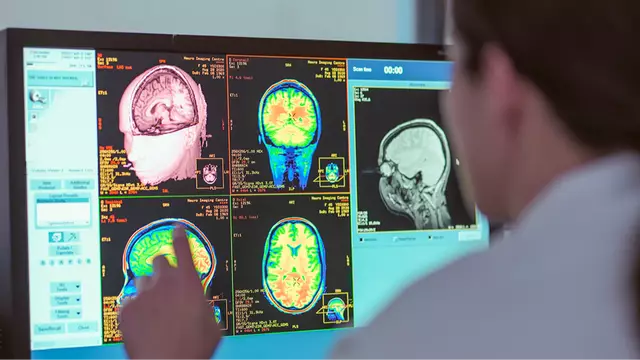
A recent study by Karolinska Institutet looked at over 27,000 UK adults aged 40 to 70, combining sleep questionnaires with MRI brain scans. What they discovered is striking: people who reported poor sleep had brains that appeared older than their actual age. ScienceDaily+1
How they measured “brain age”
Using machine learning on more than 1,000 brain imaging markers, researchers built a model of what a healthy, age-matched brain looks like. Then they applied it to all participants. They scored sleep quality in 5 areas:
- Sleep duration
- Insomnia symptoms
- Snoring
- Daytime fatigue / sleepiness
- Chronotype (morning person vs evening person) ScienceDaily+2The Lancet+2
Participants got grouped into healthy, intermediate, or poor sleepers based on how many factors they “passed.” ScienceDaily+1
The result? Every one-point drop in the healthy sleep score corresponded to about 6 months of “extra” brain aging. Those with the worst sleep had brains about 1 year older on average. ScienceDaily+2News-Medical+2 They also found that being a night owl and having abnormal sleep duration were especially damaging. ScienceDaily+1

Everything we do has some impact on our brains (Tom Werner/ Getty Stock)
Inflammation might help explain the link: blood markers of low-grade inflammation accounted for about 10 % of the relationship between poor sleep and brain aging. ScienceDaily+1
Why this matters
Brains that “look older” are often less resilient. Some research links higher brain age gaps to higher risks of cognitive decline, dementia, and other neurological issues. The Lancet+1 Also, poor sleep has been associated with brain structure changes like white matter damage and reduced gray matter in other studies. Yale School of Medicine+1

The participant’s sleep schedules were witled down to five factors (PeopleImages/ Getty Stock)
The good news? Sleep is modifiable. Unlike genes, you can work on your sleep habits.
Sleep Smarter: Tips From the Experts
Here are science-backed ways to protect your brain while you drift off:
- Limit caffeine and alcohol later in the day
- Cut screen time at least 1 hour before bed (blue light is a known sleep disruptor)
- Make your bedroom dark, quiet, and cool—your brain loves consistency
- Stick to a consistent sleep schedule, even on weekends
- Watch for signs of insomnia or excessive daytime fatigue—they’re red flags
- If persistent issues arise, talk to a sleep specialist
As Abigail Dove, one of the study’s co-authors, notes: small changes in sleep habits may slow or prevent accelerated brain aging. ScienceDaily+1
Final Thought
Sleep isn’t “just rest”—it’s vital maintenance for your brain. According to this large Karolinska/UK Biobank analysis, poor sleep habits may literally make your brain age faster. But—unlike aging itself—good sleep practices are within your control.