 by
by Scientists Discover Previously Unknown Organ in the Human Body — What It Means
In a surprising turn of events, researchers may have uncovered an organ we never knew existed. This revelation, born out of cancer research, could have implications for how some patients are treated in the future.
A Chance Discovery During Cancer Studies
A team at the Netherlands Cancer Institute first made the unexpected find in September 2020 while examining prostate cancer patients using advanced imaging techniques. (NKI)
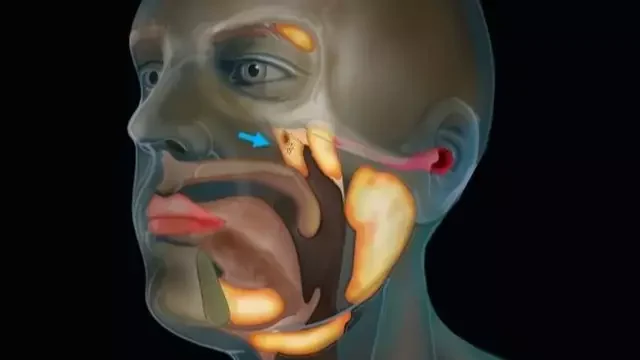
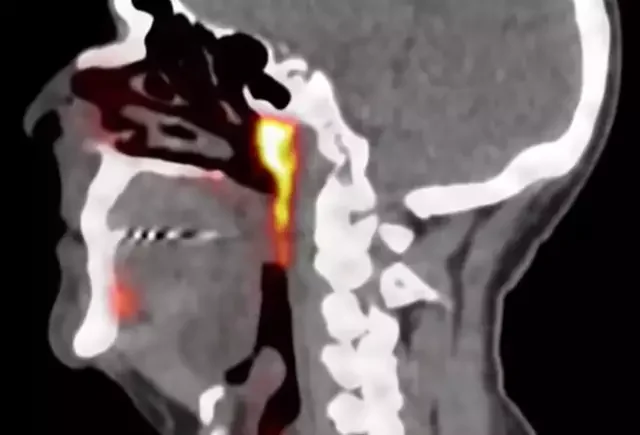
They performed PET/CT scans using a tracer that highlights prostate cancer cells (via the protein PSMA). To their surprise, in the region behind the nose and throat, two areas glowed more strongly than expected. Further investigation showed these areas had the characteristics of salivary gland tissue. (Sci.News: Breaking Science News)
Because of its location near the torus tubarius (a structure near the Eustachian tube), the researchers named this structure the “tubarial salivary glands.” (NKI)
These glands are located in the nasopharynx, the upper throat area behind the nose. (Wikipedia)
The scientists believe the glands help lubricate and moisten the throat in that area. (Sci.News: Breaking Science News)
Why Weren’t They Seen Before?
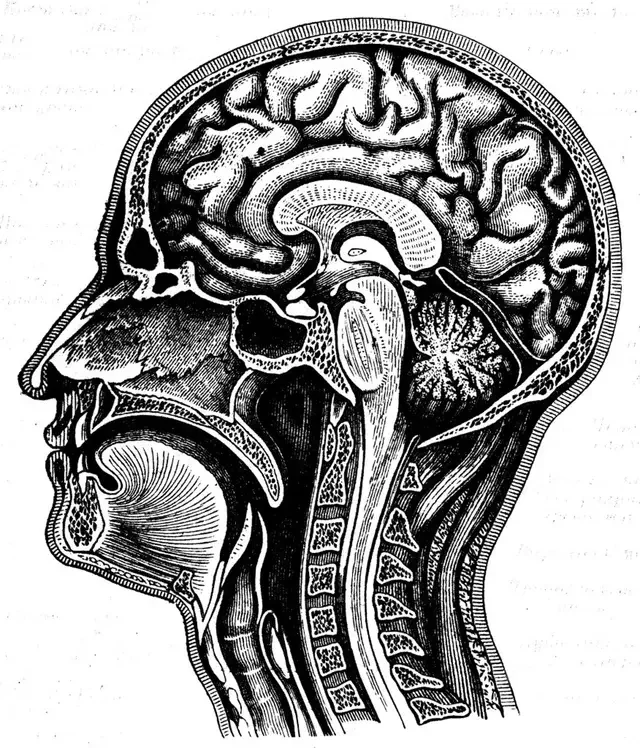
The discovery surprised many because anatomy textbooks had unaccountably omitted them for centuries. The team offered a few reasons:
- The glands are small and hard to access, making them invisible to conventional dissection or imaging. (Tyla)
- They only became visible due to very sensitive molecular imaging (PSMA PET/CT), which highlighted unexpected uptake in those regions. (Sci.News: Breaking Science News)
- In standard radiological scans (MRI, CT), these glands may appear as subtle shadows or be masked by surrounding tissues. (Wikipedia)
Because they weren’t obvious under prior methods, they remained hidden until imaging technology improved.
Implications for Radiation Therapy and Cancer Patients
One important reason this discovery matters is for patients undergoing radiotherapy for head, neck, or throat cancers. Radiation often affects salivary glands, leading to side effects like dry mouth and difficulty swallowing. (NKI)
The new glands might previously have been inadvertently damaged during treatment, simply because no one knew they existed. The scientists now hope that these glands can be spared or protected in future radiation planning, which might reduce side effects and improve quality of life. (NKI)
In one study, the group reviewed data from 723 patients, finding that higher radiation dose to this region correlated with more complications—suggesting the glands’ sensitivity may be clinically relevant. (Sci.News: Breaking Science News)
The researchers emphasize the next step is to figure out how and when to avoid exposing these glands to radiation, and in which patients that would make the most difference. (NKI)
Scientific Caution and Ongoing Debate
While the discovery is exciting, the scientific community remains cautious:
- Some researchers question whether the tubarial glands should be classified as a distinct “organ” because evidence is still emerging. (Wikipedia)
- The findings currently rest on imaging of human patients and dissection of only a few cadavers. More anatomical and functional studies are needed to confirm their full role. (NKI)
- Because the nasopharynx is a complicated region, overlapping tissues and variations among individuals may complicate further research.
Thus, the discovery is promising—but not yet definitive.
What It Means for Medical Science and Patients
- This find underscores that even well-studied human anatomy still holds surprises.
- For patients receiving head and neck radiotherapy, this opens a window to potentially reduce side effects by protecting newly recognized tissue.
- It demonstrates the power of advanced imaging and how serendipity in science can lead to new insights.
If you’re interested, you might also enjoy reading related articles on human anatomy mysteries or medical imaging breakthroughs on our site—see Anatomy Surprises: Organs Yet to Discover and How PET/CT Scans Are Changing Diagnosis.
Featured Image Credit: Netherlands Cancer Institute