 by
by Michael D’Angelo Archer—known to us all as D’Angelo—has passed away at the age of 51, according to an emotional statement from his family. He reportedly battled pancreatic cancer for some time before departing on October 14, 2025. His family described his journey as “prolonged and courageous,” asking fans and media alike to respect their privacy while celebrating his extraordinary musical legacy.
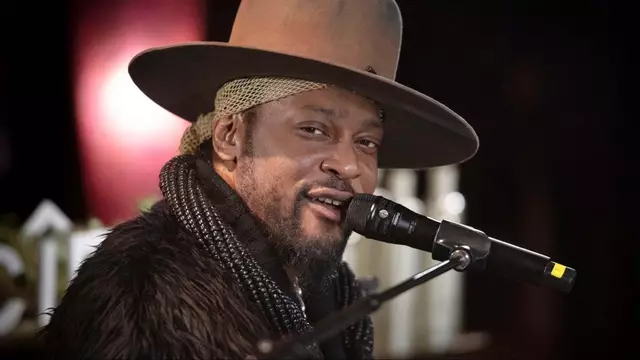
R&B legend D’Angelo has died aged 51 (Shahar Azran/Getty Images)
D’Angelo was a cornerstone of the neo-soul movement, blending smooth soul, funk, jazz, and R&B in a way that felt both classic and fresh. His breakout debut, Brown Sugar (1995), went platinum. Then came Voodoo (2000), which included the sultry hit “Untitled (How Does It Feel)”, along with collaborations with Lauryn Hill, Erykah Badu, Angie Stone (with whom he shared a son), and more. His creative voice will echo long after his passing.
Pancreatic Cancer: The “Silent Killer”
Pancreatic cancer earns its ominous nickname because it rarely shows clear signs until it’s already advanced. The pancreas—a gland tucked deep in the abdomen behind the stomach—has two main roles: producing digestive enzymes and making hormones like insulin. Cancer Research UK+2Wikipedia+2
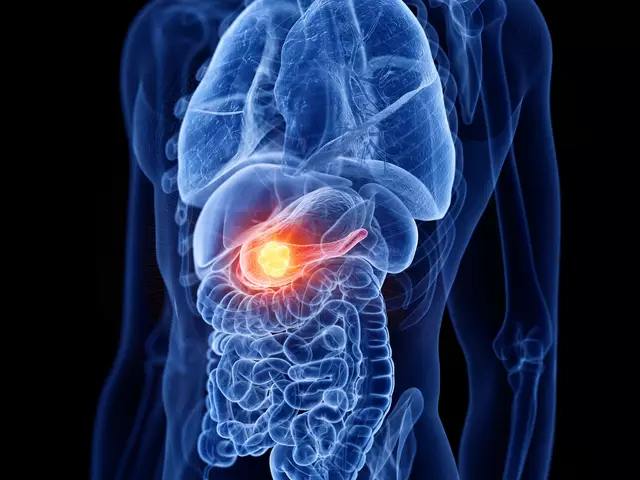
Tens of thousands of people in the US are affected by pancreatic cancer every year (Sebastian Kaulitzki/Science Photo Library/Getty Images)
How It Develops
Most pancreatic cancers begin in the ducts that carry digestive enzymes—this form is called pancreatic ductal adenocarcinoma. Because tumors grow quietly and are hidden deep inside, early detection is extremely difficult. Mayo Clinic+2Wikipedia+2

There are 10 signs of pancreatic cancer to be aware of (Doucefleur/Getty Images)
Stark Numbers
- In 2025, it’s estimated that 67,440 Americans will receive a pancreatic cancer diagnosis. Hirshberg Foundation+1
- That same year, more than 51,980 people are expected to die from it—making it one of the deadliest cancers. Hirshberg Foundation+1
- The five-year survival rate remains stubbornly low—around 13 % overall, with even lower rates for the most common aggressive forms. Pancreatic Cancer Action Network+2Wikipedia+2
Because of its high lethality and stealthy progression, the disease is often referenced in health circles as the “silent killer.”
10 Warning Signs to Watch For
When pancreatic cancer does make itself known, its symptoms can be subtle—or easily mistaken for more common, less serious issues. According to Mayo Clinic, the American Cancer Society, and other trusted sources, here are some signs to keep in mind:
- Abdominal or back pain that may radiate backward or sideways. Hopkins Medicine+2American Cancer Society+2
- Unexplained weight loss and loss of appetite. American Cancer Society+2Cancer Research UK+2
- Fatigue or weakness that doesn’t go away with rest. American Cancer Society+1
- Jaundice: yellowing of the skin or eyes, dark urine, pale or greasy stools. American Cancer Society+2Mayo Clinic+2
- Itchy skin, a lesser known sign due to bilirubin buildup. American Cancer Society+1
- Digestive issues, like nausea, bloating, indigestion, or unexplained changes in stool (pale, oily, hard to flush). Cleveland Clinic+2Cancer Research UK+2
- New-onset diabetes or harder-to-control blood sugar levels. American Cancer Society+2PMC+2
- Blood clots (often deep vein thrombosis in an arm or leg). American Cancer Society+1
- Liver or gallbladder enlargement, sometimes detectable by doctors or imaging. American Cancer Society+1
- Persistent nausea and vomiting, especially if worse after eating. American Cancer Society+2PMC+2
Because none of these are exclusive to pancreatic cancer, any one or two alone might not raise alarm bells. But if you see a combination—or something new and unexplained—don’t hesitate to see a doctor.
Why It’s So Hard to Detect Early
- The pancreas lives deep inside your body, making lumps or tumors hard to feel during a physical exam. PMC+2NCBI+2
- Early symptoms mimic common conditions like indigestion or back pain, so they often get dismissed. PMC+2NCBI+2
- Most patients are diagnosed at later stages, when tumors may have already spread. Cancer Research UK+2Pancreatic Cancer Action Network+2
Researchers and advocacy organizations (such as the Pancreatic Cancer Action Network) are actively working on early detection methods like blood tests and advanced imaging techniques. Pancreatic Cancer Action Network+1
In Memory & In Action
We’ll remember D’Angelo for his artistry, authenticity, and the emotional depth he brought to music. As we mourn his loss, his story also highlights the cruel nature of pancreatic cancer—and why awareness matters more than ever.
If anything in this article feels relevant to you or a loved one—new symptoms, unexplained changes—consider talking to your doctor sooner rather than later. When it comes to cancers like this, early conversations, not delays, can make a difference.
Internal links you might want to include to your site:
- A page on D’Angelo’s biography or discography
- A cancer awareness or health blog section
External links for reference & further reading:
- American Cancer Society: Signs & symptoms of pancreatic cancer American Cancer Society
- Mayo Clinic: Pancreatic cancer overview Mayo Clinic
- Pancreatic Cancer Action Network: Early detection work Pancreatic Cancer Action Network