 by
by “Life After the Last Cigarette: What a 20-Year Smoker Really Experienced When He Quit for Good”
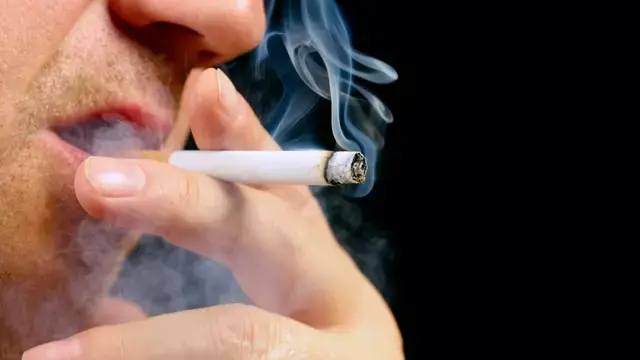
After two decades of smoking cigarettes, Carl Goodwin made a life-changing decision: he would quit nicotine for good. In 2023, he resolved to prioritize both his mental and physical well-being—and within weeks, he was already sharing raw, unfiltered updates on social media. Despite a few “blips,” cigarettes no longer hold a place in his life, and his journey offers invaluable lessons for anyone hoping to quit.
Carl, from Wales and known online as @daddyandtheo, admitted that for most of his adult life, he had smoked more than he hadn’t. In one early video, he confessed:
“I’ve always hated that I do, but just never been able to get on top of it no matter what I do.”
Still, he chose change—and soon felt both struggle and reward in equal measure.
The Harsh Early Days of Quitting
Deciding to quit is just the beginning. In the early weeks, Carl faced real challenges:
- Sleep disruption and insomnia. His nights went from bad to worse: “My sleep is horrendous … since I’ve stopped … it’s been non-existent,” he said.
- Poor concentration and fatigue. Combined with his lack of rest, he found it tough to stay focused at work.
These effects align with what medical sources call common withdrawal symptoms. Nicotine, being a stimulant, alters neurotransmitter activity such as dopamine and norepinephrine. Removing that stimulus throws the brain’s balance off balance for a time, leading to sleep issues, fatigue, and impaired concentration. (Sleep Foundation)
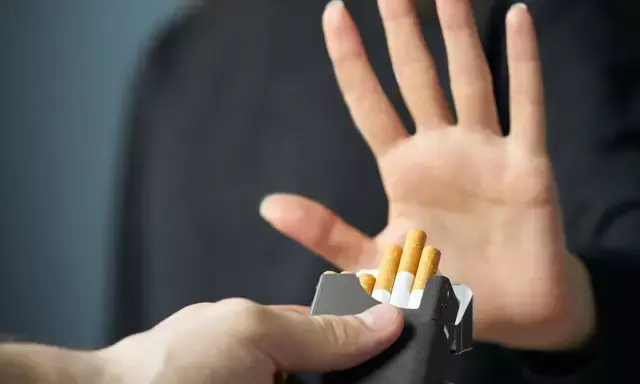
According to Nicorette, sleep disturbances are a known side effect of quitting—though typically temporary, lasting around four weeks or less. (nicorette.co.uk)
Many quitters also find that caffeine sensitivity changes (caffeine remains in the system longer), so cutting back on coffee and avoiding nicotine or caffeine late in the day can help. (Verywell Mind)
Signs of Recovery: What Got Better
Despite the early discomfort, Carl noticed encouraging improvements—and scientific evidence supports many of them.
1. Taste and Smell Became Sharper
Carl described flavors and scents as suddenly more intense—and blamed his past self for smelling like a cigarette. This aligns with clinical findings: within days to weeks after quitting, the nerve endings in the nose and mouth begin to heal, restoring sensitivity to smell and taste. (Verywell Mind)
2. Skin and Appearance Improved
He said his skin looked “so good” and that he felt less groggy and heavy on mornings. Smoking depletes oxygen and nutrients in the skin, accelerating aging and dullness. After quitting, improved blood flow, collagen repair, and reduced toxin exposure help the skin recover. (Allen Carr’s Easyway)
3. More Energy and Better Mornings
Once his sleep gradually improved, Carl reported waking with energy instead of grogginess—something he hadn’t felt for years. Over time, quitting reduces the burden of lingering tobacco toxins and improves circulation, paving the way for sustained vitality. (WebMD)
Why These Changes Happen (Scientifically Grounded)
- The body’s circulation improves within weeks to months after quitting, helping organs and tissues receive better oxygen and nutrients. (ctri.wisc.edu)
- Carbon monoxide levels in the blood drop quickly, allowing hemoglobin to carry more oxygen. (WebMD)
- Nerve endings begin to recover in the nose and mouth, restoring smell and taste function. (Verywell Mind)
- Skin regains repair capacity, thanks to improved blood flow and reduced oxidative stress from smoke exposure. (Allen Carr’s Easyway)

How Others Reacted—and What It Means
Social media followers recognized the courage it took to quit and commended Carl’s openness. Messages poured in:
“Well done! You should be super proud!”
“Very inspiring.”
“I’ve quit 1,000 times … it’s so hard. Congrats to you!”
His honest recounts fostered connection, encouragement, and accountability.
Tips Based on Carl’s Experience + Expert Advice
If you’re considering quitting or are in the early stages, these strategies can help support your journey:
- Allow for discomfort
Know that sleep problems, mood swings, and concentration difficulty are real—but often temporary. They tend to ease within a few weeks. (nicorette.co.uk) - Maintain good sleep hygiene
- Go to bed and wake up at consistent times
- Avoid caffeine and screens in the evening
- Keep your bedroom cool, dark, and calm
- Use relaxation techniques (meditation, breathing exercises) to quiet the mind before sleep (Verywell Mind)
- Stay hydrated and eat mindfully
Good nutrition supports your body’s repair process. - Distract cravings
Treat urges as temporary. Go for a short walk, chew sugarless gum, or drink water. - Use evidence-based support
Nicotine replacement therapy (patches, gum) or behavioral support can double your quit success rate. (Wikipedia) - Track your progress
Journaling about changes you notice—smell, taste, skin, energy—helps you stay motivated and observe your body’s healing.
Why Carl’s Story Matters
His experience echoes what medical research and experts report: quitting is challenging, but recovery begins quickly and accelerates over time. His transparency adds a human lens to scientific facts, reminding us that quitting is not just a health decision—it’s a personal transformation.
If you want to read more stories of health transformations, check out this transformation story or see how others have turned risks into victories in our quit journey series.
Quitting smoking is one of the hardest yet most rewarding changes a person can make. Carl’s journey shows that while early weeks can be uncomfortable, the payoff touches every aspect of life—health, senses, appearance, and self-belief. If you’re ready to try, remember: your body wants to heal, and you’re not alone in that journey.
Featured Image Credit: Getty Stock Images