 by
by Your Brain’s Hidden Peak: Why Mental Performance May Reach Its Best at 55–60
When Does the Brain Truly Peak? The Answer May Surprise You
Many people worry about getting older, fearing memory loss or slower thinking. Yet, recent research suggests that our mental abilities may actually strengthen with age, rather than decline.
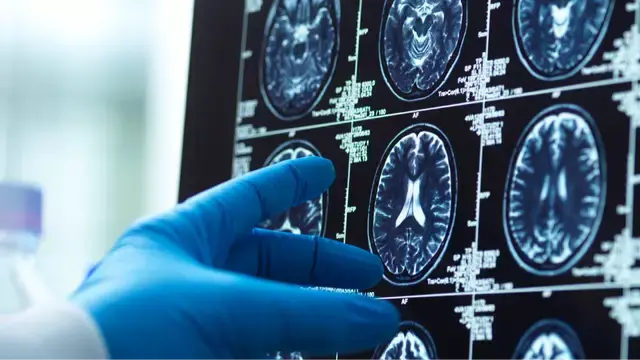
A study published in the scientific journal Intelligence found that our psychological performance may peak between 55 and 60 years old—a time many people associate with slowing down. (ScienceDirect)
In other words, instead of seeing mental decline as inevitable, science now shows that experience, wisdom, and emotional growth may continue to sharpen the brain well into midlife and beyond.
The Difference Between Physical and Mental Peaks
It’s easy to believe that mental performance follows the same pattern as physical ability. After all, most athletes reach their physical peak between ages 25 and 30. However, when it comes to the brain, things are far more dynamic.
Researchers now distinguish between fluid intelligence—the ability to solve new problems quickly—and crystallized intelligence, which involves accumulated knowledge, vocabulary, and life experience. (MIT News)
While fluid intelligence may start to decline earlier, crystallized intelligence tends to rise steadily throughout life. Consequently, adults in their 50s and 60s may make more thoughtful and balanced decisions compared to their younger selves.
To explore how these strengths develop, the study’s authors, Dr. Gilles Gignac and Prof. Marcin Zajenkowski, analyzed 16 mental and personality traits—including reasoning, memory span, emotional intelligence, and moral reasoning. Their findings were remarkable: many of these traits actually peak later in life, and some continue improving into the 70s. (ScienceDirect)
What the Research Really Shows
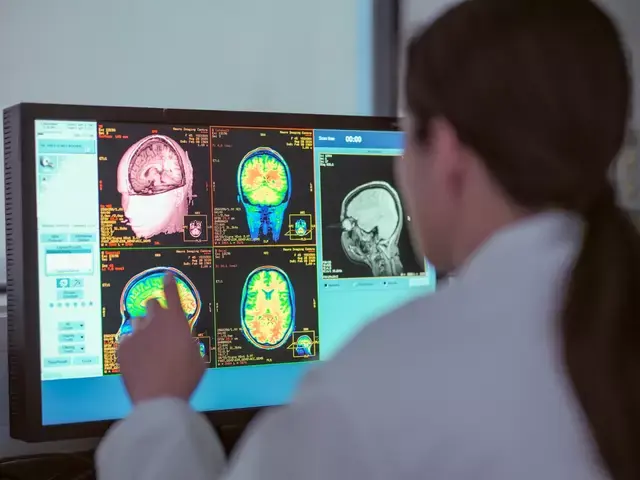
After comparing multiple large-scale studies, the researchers standardized the data and discovered some fascinating trends.
For example, conscientiousness—the trait linked with discipline and responsibility—tends to reach its highest level around age 65. Meanwhile, emotional stability, which helps people stay calm under pressure, often peaks in the mid-70s. Even more interestingly, traits like moral reasoning and the ability to resist cognitive biases can continue to develop into one’s 80s.
Therefore, although our reaction times might slow slightly, our decision-making, wisdom, and emotional balance continue to strengthen.
This shift in understanding changes how we think about aging. Instead of a steady decline, the human mind follows a more nuanced path—losing speed but gaining insight, patience, and empathy.
If you’re interested in learning more about how personality evolves with time, you might enjoy reading The Journey of Personality Across the Lifespan on ViralSensei.
Why This Matters for How We See Ourselves
For decades, people have assumed that mental power fades after youth. However, newer evidence tells a different story.
Studies from MIT and Massachusetts General Hospital show that different mental abilities peak at different ages—some in our 20s, others not until our 40s or 50s. (MIT News)
Additionally, a German longitudinal study found that people who regularly use their literacy and numeracy skills can maintain or even improve cognitive function into middle age. (arxiv.org)
Taken together, these findings show that aging is not simply a process of decline—it’s a gradual rebalancing, where wisdom and emotional intelligence take center stage.

If you’d like practical tips on keeping your mind active, explore our article How to Keep Your Brain Sharp After 60 to learn more.
How to Strengthen Your Mind at Any Age
Knowing that your mental peak may come later gives you time to prepare. Here are science-backed strategies that help boost your brain’s long-term potential:
- Keep learning something new
Continuously reading, studying, or trying new hobbies keeps your brain active and engaged. - Challenge yourself regularly
Play puzzles, learn a language, or take up strategy games. These activities improve focus and memory. - Prioritize exercise and rest
Physical activity and proper sleep both promote brain health and support better mood regulation. - Stay connected with others
Meaningful relationships and regular conversations stimulate emotional and cognitive development. - Reduce stress whenever possible
Mindfulness, meditation, or journaling can help manage anxiety, improving clarity and concentration. - Eat brain-boosting foods
A balanced diet rich in omega-3 fats, antioxidants, and whole grains supports long-term mental health.
As research continues to show, lifestyle choices can help you extend your cognitive peak well beyond midlife.
Final Thoughts: Your Best Mental Years Are Ahead
For years, people believed that mental performance declines steadily after youth. Yet, new evidence tells a far more hopeful story.
In reality, the human mind continues to evolve, adapt, and even improve well into later life. From emotional stability to moral reasoning, many of our most valuable abilities reach their peak between ages 55 and 60—sometimes even later.
So, instead of dreading the passing years, we can look forward to them. The wisdom, empathy, and perspective that come with experience are all signs of a mind operating at its best.
To discover more insights on how to age with confidence and clarity, visit ViralSensei for the latest articles on brain health, emotional growth, and personal development.
Featured Image Credit: Getty Images/Andrew Brookes