 by
by Why McDonald’s Coke Tastes Better: Science Finally Explains It
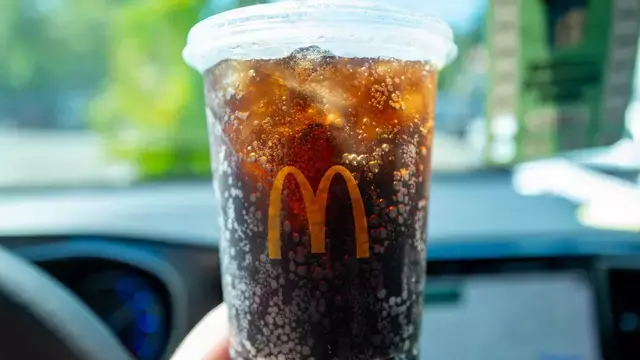
It’s a question soda lovers have asked for decades: Why does Coca-Cola from McDonald’s taste so much better than the one you pour at home? Science finally has the answer — and it comes down to precision, process, and a little bit of physics.
If you enjoy uncovering the truth behind everyday food myths, you might also love reading our deep dive into The Real Reason Fast Food Fries Are So Addictive.
The Secret Starts with Cold, Filtered Water
McDonald’s doesn’t rely on ordinary tap water. Instead, it uses filtered, pre-chilled water to mix with the syrup. This matters because the colder the water, the better it can hold carbonation.
According to Physics Today, this is explained by Henry’s Law, which shows that gases like CO₂ dissolve more effectively in cold liquids under pressure. That’s why every sip feels fizzier and more refreshing.
You can read more about this process in The Fluid Mechanics of Bubbly Drinks by Roberto Zenit from Brown University. (source)
Want to know how temperature impacts other beverages? Check out Why Cold Brew Coffee Tastes Smoother.
Stainless Steel Syrup Tanks Keep the Flavor Pure
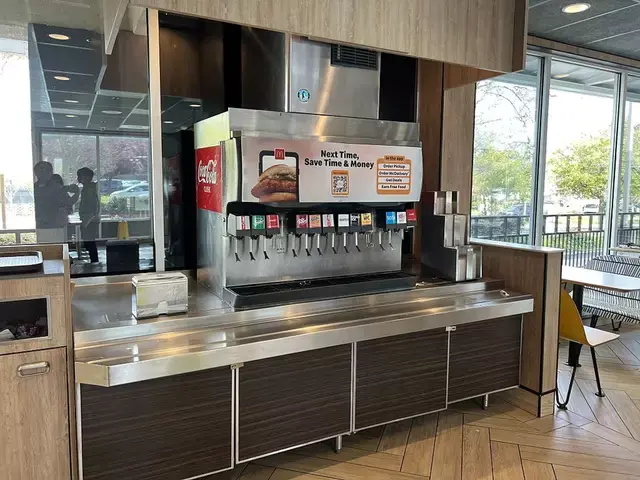
Unlike many restaurants that use plastic syrup bags, McDonald’s receives its cola syrup in stainless steel tanks. These tanks protect the syrup from light, air, and heat — all of which can degrade its quality.
This ensures that the syrup stays fresher for longer, preserving its authentic Coca-Cola flavor until it’s mixed with carbonated water.
For another surprising fast-food secret, see our story on Why McDonald’s Ice Cream Machines Break So Often.
The Perfect Syrup-to-Water Ratio
McDonald’s uses a slightly higher syrup-to-water ratio than other outlets. This is intentional — it compensates for the ice that melts in your cup, ensuring every sip tastes just as bold as the first.
That tiny difference in proportion keeps the flavor consistent, even when the ice begins to melt.
If you love learning how small tweaks change taste, you’ll enjoy reading The Chemistry Behind Perfect Iced Coffee.
A Straw That Enhances the Flavor
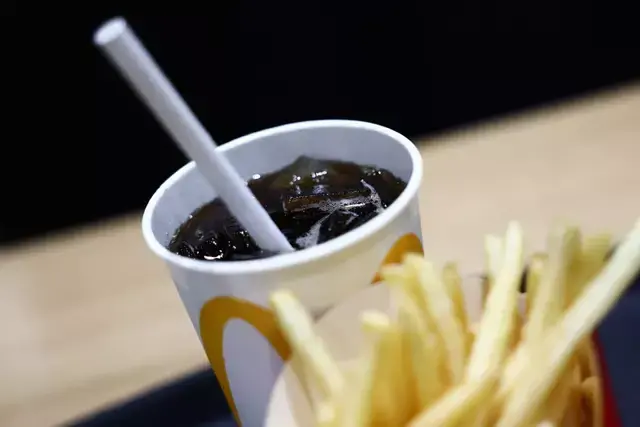
Even the straw design plays a role. McDonald’s straws are slightly wider — about 0.02 inches more than typical ones — which lets more soda and aroma hit your taste buds simultaneously.
This design gives that instant fizzy burst many people describe as “the McDonald’s Coke feeling.”
We’ve explored similar sensory tricks in How Packaging Changes the Taste of Your Food.
Why Humans Love the “Fizzy Bite”
Roberto Zenit explains that carbonation triggers mild pain receptors in our brains, similar to the sensation of spicy food. That’s why soda “bites” — and why we find it so addictive. Interestingly, most animals refuse to drink carbonated water, but humans find its mild irritation enjoyable.
Want more fascinating brain-food connections? Read our analysis of How Your Brain Reacts to Sweet vs. Spicy Foods.
Try the McDonald’s Effect at Home
You can recreate that McDonald’s-level fizz at home with a few simple steps:
- Chill your water before carbonating
- Use filtered water
- Pour into a cold glass
- Use a slightly wider straw
- Drink quickly for the most fizz
These techniques preserve carbonation longer, giving you a taste closer to the real deal.
Final Thoughts
McDonald’s Coke tastes better not by chance, but because of science and precision. From temperature-controlled water to metal syrup tanks and carefully designed straws, every detail contributes to the experience.
Curious about more fast-food mysteries and food science insights? Explore our latest features:
- The Hidden Science Behind Perfect French Fries
- Why Coffee Smells Better Than It Tastes
- The Science of Carbonation: Why Bubbles Taste So Good
Featured Image Credit: Smith Collection/Gado/Getty Images