 by
by Tourist Returns 2,400-Year-Old Greek Relic After 50 Years—A Win for History and Cultural Justice
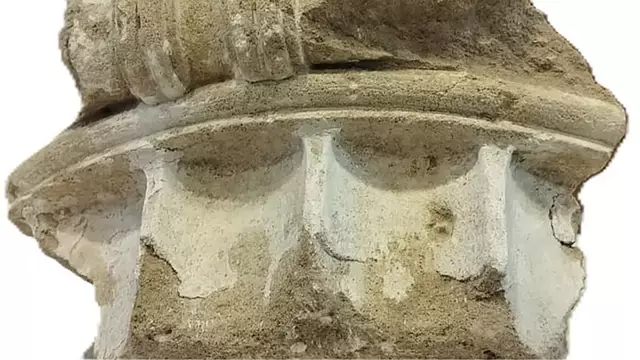
An anonymous German woman has returned an ancient Greek artefact that she took more than half a century ago from Ancient Olympia. The piece is a limestone Ionic column capital linked to the Leonidaion, a guesthouse built in the 4th century BC to host distinguished visitors to the sanctuary—the birthplace of the Olympic Games. (eKathimerini)
Officials say the woman removed the fragment in the 1960s, kept it for decades, and then chose to give it back. She first handed it to the University of Münster in Germany, which worked with Greek authorities to repatriate the artefact. (CBS News)
Last week, during a ceremony on October 10, 2025, Greece formally received the capital in Ancient Olympia. Culture officials praised the donor’s “sensitivity and courage,” framing the return as a reminder that it’s never too late to correct a wrong. (eKathimerini)
While this story centers on archaeology and ethics, it also resonates with how we weigh choices and consequences. If you’re drawn to human stories behind the headlines, our deep-dive on true-crime accountability offers a striking parallel in its own way—read about The Serial Killer’s Apprentice case and its long shadow here.
What exactly was returned?
Greek authorities describe the fragment as a limestone Ionic capital measuring about 24 cm (≈9 in) high and 33.5 cm (≈13 in) wide, consistent with other capitals from the Leonidaion. (eKathimerini)
For context on the site itself, the Hellenic Ministry’s pages on Olympia and the Leonidaion explain the sanctuary and its buildings in plain detail. (Odysseus)
Curious about how places shape our choices when we travel? Don’t miss our cautionary travel feature on methanol-tainted cocktails in Bali—a stark reminder that context and vigilance matter beyond museums and ruins. Read it here.
Why did she return it now?
According to coverage citing the Greek Culture Ministry, the donor was inspired by recent restitution efforts associated with the University of Münster. Her decision aligns with a growing global push to return items removed without permission. (CBS News)
For a quick primer on why Olympia matters—not only to Greece but to world heritage—UNESCO’s overview captures the site’s unique role in sport, religion, and culture. (UNESCO World Heritage Centre)
If heritage and “doing the right thing” interest you, our health and science desk often explores how decisions ripple through time. Two timely reads you may like: the reality behind “sleepmaxxing” (what happens when optimization goes too far) and why we doomscroll even when it harms us. Check out the features here and here.
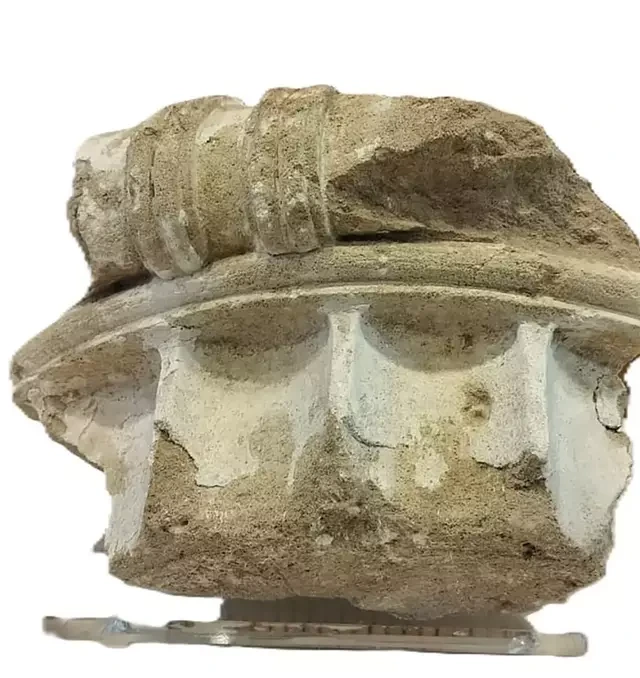
“Restoring justice” and cooperation
Greek outlets and international coverage called the handover a moving example of cooperation. Officials emphasized that cultural heritage knows no borders and that returns build bridges between countries. (eKathimerini)
For a broader view of repatriations to Greece—including recent museum returns—this AP report shows how institutions are reassessing collections and provenance at scale. (AP News)
About the Leonidaion
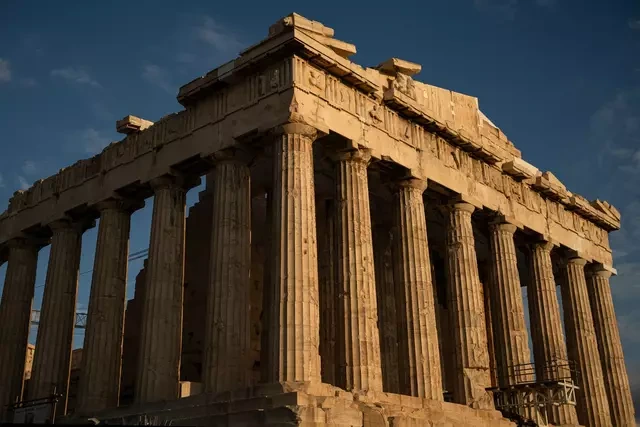
The Leonidaion—named after Leonidas of Naxos—was the largest building in the Olympia sanctuary by area, marked by its Ionic arcades. It hosted the era’s VIP visitors and athletes. Today, its remains help scholars reconstruct how the ancient Games welcomed the world. (Odysseus)
If you like “how things work” pieces, our quick reads on sleep science—like hypnic jerks (that falling sensation) and what less than 6 hours of sleep does to your body—make complex science easy. Dive in here and here.
Featured Image Credit: Greek Culture Ministry