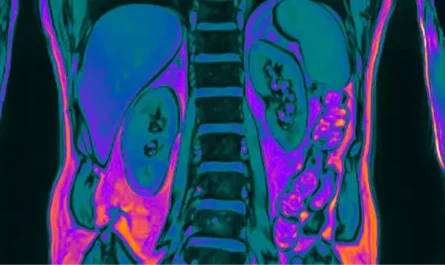
 by
by Revealing the Truth: How Alexander the Great’s “Immortality” Might Be Explained by Guillain-Barré Syndrome
The Legend of an Undying King
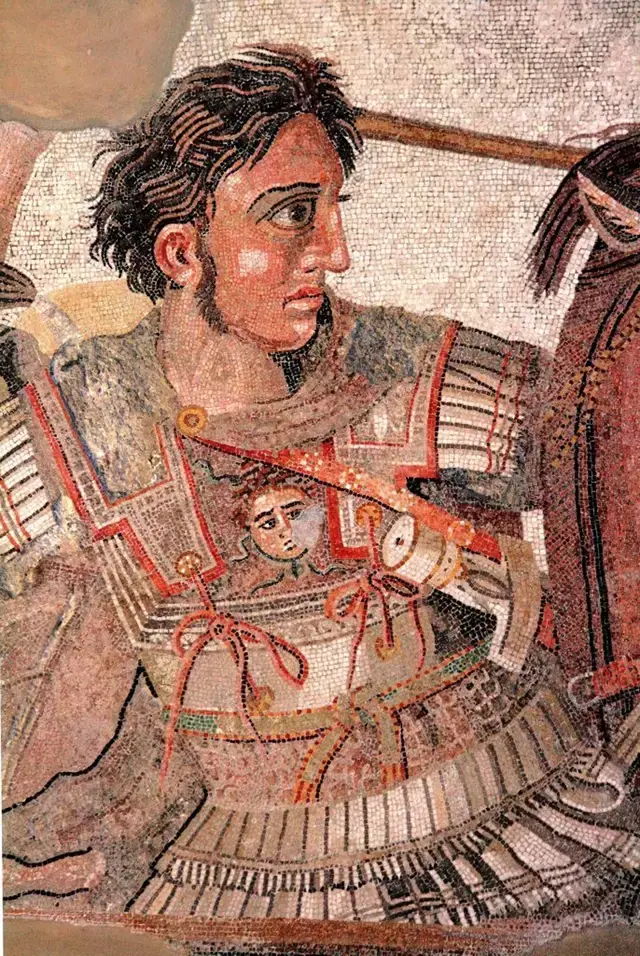
Few figures in history have inspired as much fascination as Alexander the Great. Born in 356 BCE, he became king of Macedon at only 20 years old and built one of the largest empires in recorded history. Yet his death at 32 in Babylon sparked one of antiquity’s greatest mysteries — the myth of his immortality.
According to the Greek biographer Plutarch, Alexander’s body showed no signs of decay for six full days after his passing. “His body, although it lay without special care in places that were moist and stifling, showed no sign of such a destructive influence, but remained pure and fresh,” he wrote. This uncanny preservation convinced many that Alexander was more than mortal — perhaps even divine.
Historians have long debated this phenomenon, much like the stories explored in our deep-dive on Immortal Myths: Kings Who Were Worshipped, where political power and spirituality often blurred together in ancient cultures.
Science Challenges the Myth
Centuries later, modern researchers may have uncovered a logical explanation for Alexander’s “immortality.” Dr. Katherine Hall, a lecturer at the University of Otago’s Dunedin School of Medicine, suggests that the king suffered from a rare autoimmune disorder known as Guillain-Barré syndrome (GBS).
Her groundbreaking research, detailed on ScienceDaily and Smithsonian Magazine, proposes that Alexander might have been declared dead prematurely. GBS can cause full-body paralysis while leaving the mind alert, creating the illusion of death.