 by
by What One Man Learned After 45 Years of Drinking — And Nine Months Sober
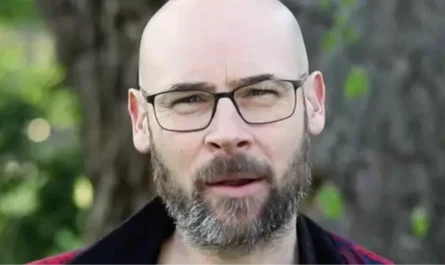
After more than four decades of heavy drinking, Ian Callaghan has now completed nine months of sobriety — and his message is simple yet pointed: if you’re waking up hungover and telling yourself you’re fine, it may be time to step back and evaluate your habits.
Callaghan described spending 45 years in what he calls a “booze-routine” — pints, take-outs and foggy weekdays. He had accepted sluggishness and brain-fog as part of ageing, only to realise alcohol was the main cause.
Health authorities support his view. According to the NHS guide on alcohol misuse, regular drinking above 14 units per week can lead to increased risks of heart, liver, and brain problems. Additionally, the UK Government’s Health Matters briefing outlines how even moderate drinking impacts public health.
We’ve covered similar lifestyle improvements in our article 24 Surprising Habits That Are Surprisingly Good for You, which highlights how consistent small changes can yield major wellness benefits.
His Message to People Pretending They’re Fine
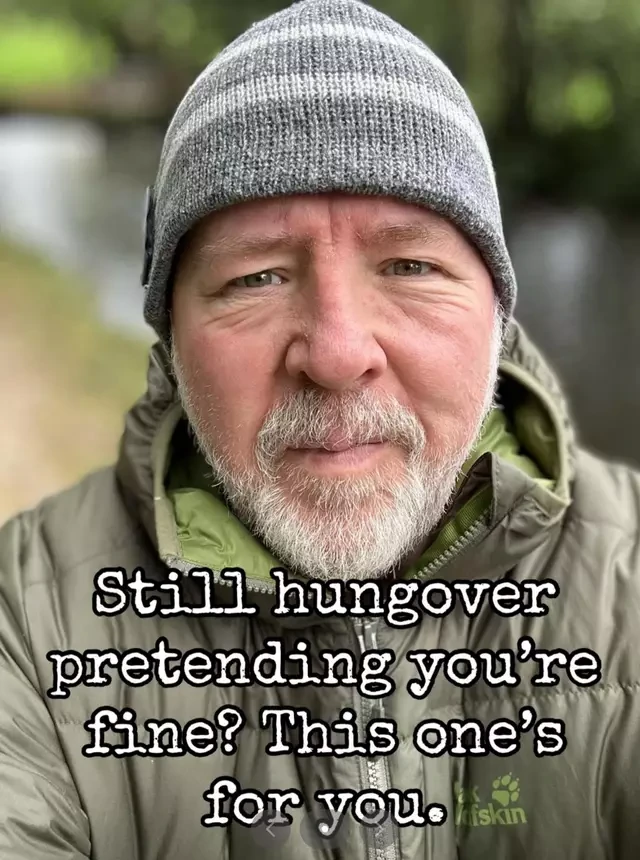
In a widely shared post, Callaghan spoke to those who push through hangovers pretending they’re fine:
“You’re not broken — you’re just hungover and full of lies you keep telling yourself.”
He described the guilt, anxiety, and “Sunday blues” as the body’s way of signalling it’s overwhelmed. He contrasted his old Monday-morning resets with his current peace and clarity, urging people to stop “outsourcing happiness to a pint glass.”
This mirrors themes explored in “A 5-Minute Walk Is Better Than 0 Minutes” — 40 Health Hacks People Swear By, showing how modest behavioral shifts build long-term balance.
Changes in Life, Friendships and Identity
Callaghan admitted sobriety also reshaped his social life. Some “pub-mates faded,” but true friends remained.
In 29 Addictions People Usually Don’t Realize the Severity Of, we explore similar patterns — how breaking old cycles can change friendships, habits, and even identity.
Others who’ve gone sober say they rediscover genuine interests once social drinking fades, echoing Callaghan’s message that growth often means leaving behind old routines.
Why This Matters for Weekend Drinkers
Even those who don’t consider themselves dependent can experience fatigue, low mood, and anxiety from routine drinking. A PLOS ONE study found significant health costs linked to increased alcohol intake.
The Health Foundation’s evidence hub confirms alcohol use affects both mental and physical wellbeing, while the NHS risk overview provides clear, science-based limits for safe consumption.

Callaghan’s reflections personalize these findings, illustrating how small denials can snowball into chronic fatigue and loss of clarity.
- Notice the difference between feeling “just tired” and recurring low mood, fog, or anxiety linked to drinking.
- Try a short alcohol break and observe changes in energy, sleep, and focus.
- Evaluate if your social life revolves around alcohol; new routines often bring better balance.
- Learn from related wellness reads like 10 Daily Habits That Secretly Harm Your Skin — the same principle of small daily improvements applies to sobriety too.
- If you’re worried about drinking, reach out for confidential help. In the UK, Drinkline offers support at 0300 123 1110 (Mon–Fri 9 am–8 pm; weekends 11 am–4 pm).
Ian Callaghan’s journey from 45 years of drinking to nine months sober raises a question worth asking: are you honest about how you feel after a night out? The fog, guilt, and “Monday resets” might not be stress or age, but signs your body needs rest. His story, supported by health data and lived experience, shows that genuine wellbeing starts when we face our habits honestly.
Disclaimer: This article is for informational purposes only and should not be taken as professional medical or legal advice. Please drink responsibly.
Featured Image Credit: TikTok/ian_callaghan