
 by
by Aging happens to everyone — it’s a natural process that reflects the beautiful journey of life. While we can’t stop time, how we age largely depends on lifestyle, genetics, and daily habits. According to Dr. Mitch Ghen, a medical director and specialist in anti-aging and holistic medicine, certain signs can indicate that your body might be struggling more than it should with the passage of time.

We can’t beat the aging process entirely (Getty)
In this article, we’ll explore five evidence-based indicators of accelerated aging — and what science says you can do about them.
1. Longer Recovery Time from Illness
If you’re catching colds more often or taking longer than usual to bounce back from a minor infection, your immune system might be slowing down.
According to Harvard Health, immune response naturally weakens with age, making recovery slower and increasing vulnerability to infection.
Dr. Ghen explains that a healthy person typically recovers from a viral illness within 10 days. If your recovery takes much longer, it could be a sign of chronic inflammation — a common contributor to aging-related diseases.
He suggests simple checks such as looking at your gums. Persistent gum bleeding or inflammation can point to underlying inflammation in the body.
To support immune health, researchers from the National Institutes of Health (NIH) recommend:
- Eating anti-inflammatory foods (like leafy greens, turmeric, and green tea)
- Getting enough sleep
- Staying hydrated
- Managing stress through mindfulness or light exercise
2. Decreasing Grip Strength
Your grip strength is more than just muscle power — it’s a proven marker of overall vitality.
A study published in The BMJ found that reduced grip strength is associated with a higher risk of heart disease and premature mortality.
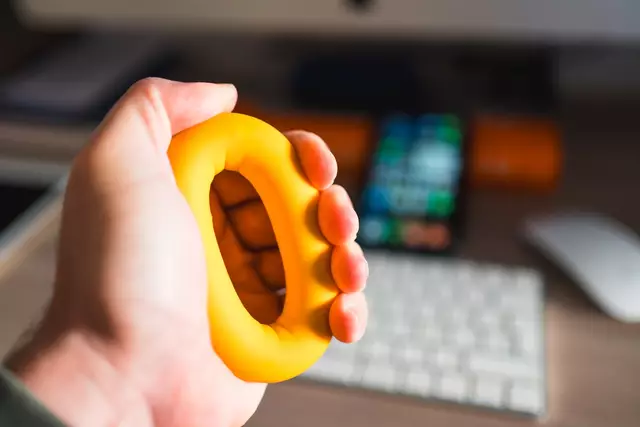
Grip strength is a top indicator (Getty)
Dr. Ghen notes, “Stronger grip strength correlates with better muscle mass, cardiovascular health, and longevity.”
You can test your strength using a dynamometer at a doctor’s office or by squeezing a tennis ball at home.
If you notice persistent weakness, stiffness, or joint pain, these might indicate muscle atrophy or reduced bone density — both common as we age.
Regular resistance training and adequate protein intake can help maintain muscle health and slow age-related decline.
For more lifestyle insights, check out Why Strength Training Matters More as You Age.
3. Hormonal Changes and Low Libido
It’s no secret that hormones shift as we age. These fluctuations can affect mood, sleep, and even sexual health.
For women, menopause often brings symptoms like hot flashes and decreased libido. For men, lower testosterone can lead to fatigue, weight gain, and reduced motivation.
According to the World Health Organization (WHO), hormonal changes are a normal part of aging — but certain symptoms can be managed through lifestyle adjustments.
These include:
- Getting 7–8 hours of quality sleep
- Exercising regularly
- Eating a balanced diet rich in omega-3s and antioxidants
Dr. Ghen notes that therapies such as DHEA or pregnenolone supplements may help balance hormones, but these should only be considered under professional medical supervision.
Learn more about managing hormones naturally in Understanding the Body’s Aging Process.
4. Forgetfulness and Cognitive Decline
Everyone forgets things occasionally, but frequent confusion or memory lapses might signal cognitive aging.
According to the Centers for Disease Control and Prevention (CDC), cognitive decline is not inevitable — lifestyle factors play a major role.
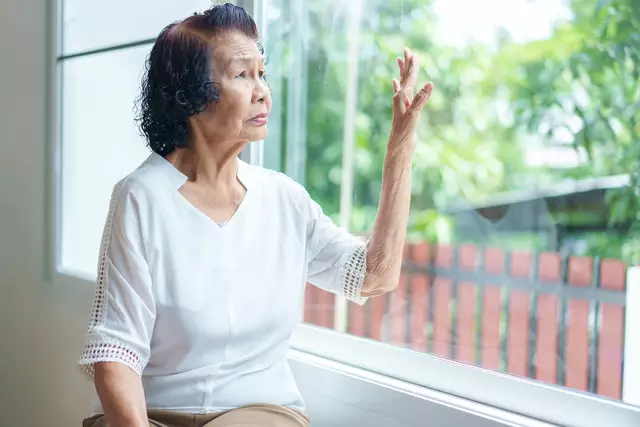
Forgetfulness is another sign (Getty)
Signs to watch for include:
- Trouble concentrating or multitasking
- Increased irritability or personality changes
- Difficulty recalling names or recent events
To protect your brain health, experts recommend:
- Challenging your mind with puzzles or learning new skills
- Maintaining consistent sleep hygiene
- Reducing screen exposure before bedtime
As Dr. Ghen puts it, “The brain can be trained and strengthened just like any other muscle.”
For a related read, see Habits That Keep Your Brain Young and Sharp.
5. Fatigue or Shortness of Breath During Exercise
If light activity leaves you feeling dizzy or out of breath, it could suggest your cardiovascular system isn’t functioning as efficiently as it used to.
The American Heart Association (AHA) advises adults to engage in at least 150 minutes of moderate exercise per week, plus two strength sessions.
Signs your heart health may be slipping include:
- Fatigue after minimal exertion
- Lightheadedness
- Rapid heartbeat or shortness of breath
Cardio exercises like brisk walking, swimming, or cycling can improve heart function and endurance over time.
You can explore practical routines in Simple Daily Exercises for a Healthier Heart.
Embracing Healthy Aging
Aging gracefully isn’t about defying time — it’s about supporting your body and mind so they continue to thrive.
Dr. Ghen’s advice emphasizes the basics: eat well, move often, rest deeply, and nurture emotional health.
As the NIH points out, even small lifestyle improvements can have profound long-term effects on longevity and quality of life.
For more inspiration, read How to Build Longevity Through Everyday Habits.
External References:
- World Health Organization (WHO) – Healthy Ageing
- Centers for Disease Control and Prevention (CDC) – Cognitive Health
- Harvard Health – Immune System and Aging
- National Institutes of Health (NIH) – Nutrition and Aging
- American Heart Association – Physical Activity Guidelines
Disclaimer:
This article is for informational purposes only and does not constitute medical or professional advice. Always consult a qualified healthcare provider before making changes to your health or wellness routine.