 by
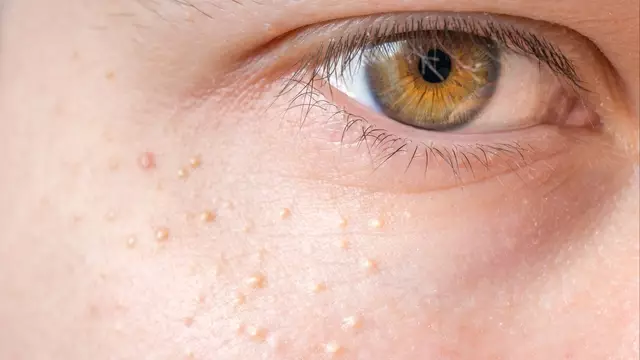
by If you’ve ever noticed small white or flesh-colored bumps on your face or even in intimate areas, you’re not alone. These spots are common, harmless, and often misunderstood. Dermatologists say they’re usually milia or Fordyce spots — both benign skin conditions that can appear on various parts of the body.
Let’s take a closer look at what causes them, how to tell the difference, and the safest ways to deal with them — without harming your skin.
What Are Milia?
Milia (sometimes called milk spots) are tiny cysts that develop when dead skin cells or keratin get trapped beneath the skin’s surface. They commonly appear around the eyes, nose, and lips, but can also show up on other parts of the face or body.
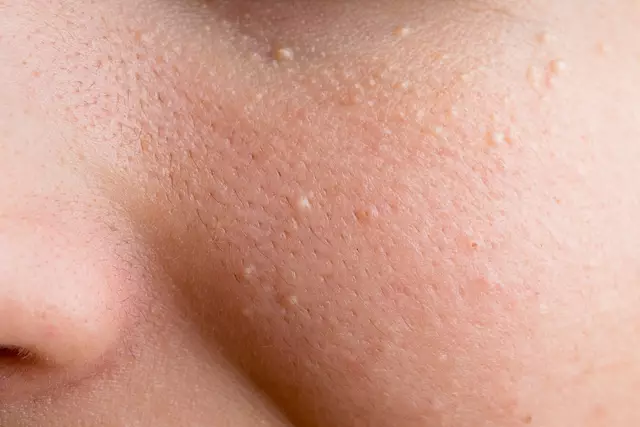
Many people experience white spots on their face and body (Getty Stock Image)
“Milia are tiny keratin-filled cysts on the surface of the skin,” explained Dr. Marnie Nussbaum, a clinical instructor of dermatology at Weill Cornell Medical College, in Women’s Health.
Unlike acne, which contains oil and bacteria, milia are firm and not filled with pus. That means trying to squeeze them won’t work — and might even make things worse.
Causes of Milia
- Buildup of dead skin cells
- Use of heavy skincare products
- Prolonged sun damage
- Certain skin injuries or burns
Who Gets Them?
Milia can affect anyone — from newborns (commonly called baby acne) to adults. According to the Cleveland Clinic, they’re especially common in people with sun-damaged or thicker skin.
What Are Fordyce Spots?
If you’ve spotted small, white or flesh-colored bumps on your lips or genital area, these may be Fordyce spots — enlarged oil glands that are visible through the skin.
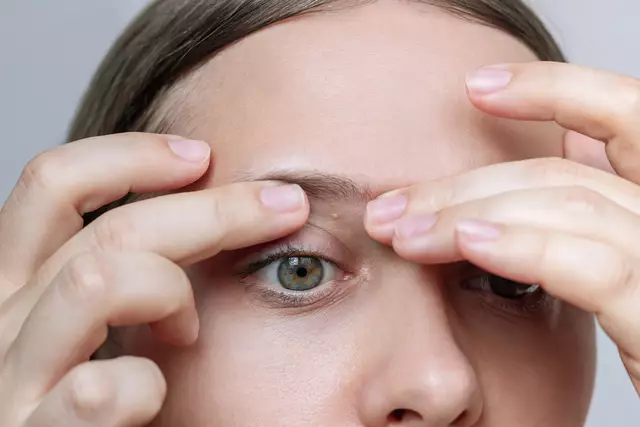
Experts have issued a warning about the spots (Getty Stock Image)
The Cleveland Clinic notes that Fordyce spots are completely natural and typically appear during or after puberty. They can occur on:
- The border of the lips
- Inside the cheeks
- The genitals (penis, vulva, or vagina)
These spots are not contagious, not sexually transmitted, and not a sign of infection. Most people are born with them — they simply become more noticeable as hormone levels change.
Why Experts Say “Don’t Pop Them”
Whether you’re dealing with milia or Fordyce spots, dermatologists strongly advise against popping, squeezing, or picking them.
Trying to extract these bumps at home can:
- Cause scarring or skin infection
- Lead to inflammation
- Make the area more noticeable
As Healthline warns, squeezing Fordyce spots won’t make them disappear — it can actually make them worse. The same applies to milia, where the cysts sit under a thin layer of skin and can’t be released by pressure.
Safe and Effective Treatment Options
In many cases, both types of spots will resolve naturally. However, if you want to speed up the process or reduce their appearance, dermatologists may recommend professional treatments.
Treatments for Milia
According to the Cleveland Clinic, potential treatments include:
- Topical retinoids (like adapalene gel or tretinoin cream)
- Cryotherapy (freezing off the bumps)
- Surgical extraction performed by a dermatologist
- Gentle exfoliation with mild chemical peels
Treatments for Fordyce Spots
Fordyce spots usually don’t require any medical intervention, but for cosmetic reasons, the following may be considered:
- Topical retinoid creams
- Cryotherapy
- Electrodesiccation (drying out the spots with an electric current)
- Laser resurfacing
- Micro-punch surgery (minor removal under professional care)
It’s essential to have a board-certified dermatologist evaluate your skin before beginning any treatment. Self-diagnosis or at-home remedies may irritate the skin or worsen the condition.
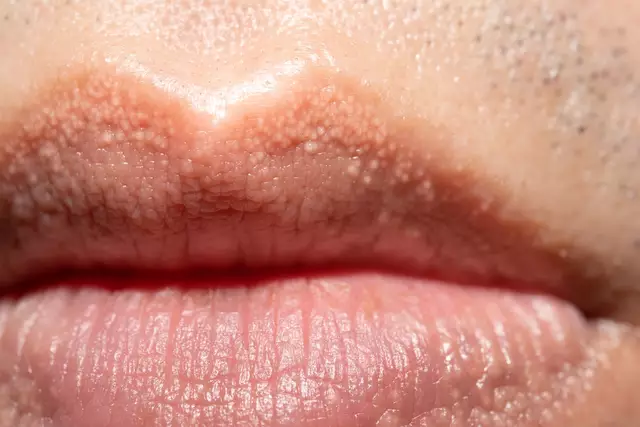
Fordyce spots can appear on the lips (Getty Stock Image)
Can You Prevent These Spots?
While you can’t always prevent Fordyce spots (since they’re natural), you can reduce the risk of developing milia by:
- Using non-comedogenic (non-pore-clogging) skincare products
- Gently exfoliating once or twice a week
- Avoiding heavy creams or oil-based makeup
- Protecting your skin from UV damage with sunscreen
When to See a Dermatologist
Most white bumps are harmless, but it’s wise to seek medical advice if you notice:
- Pain, itching, or redness
- Rapid changes in size or color
- Bleeding or ulceration
- Any uncertainty about the diagnosis
A dermatologist can confirm the cause through visual inspection or, in rare cases, a minor biopsy.
Final Thoughts
Tiny white spots on your skin are often nothing to worry about. Milia and Fordyce spots are common, benign, and treatable conditions. While they can be bothersome or affect your confidence, the best thing you can do is avoid picking and seek expert guidance if needed.
Your skin naturally changes over time — and understanding what’s normal can help you care for it safely and confidently.
Disclaimer:
This article is for informational purposes only and does not constitute professional medical advice. Always consult a qualified dermatologist or healthcare provider for diagnosis and treatment of skin conditions.