 by
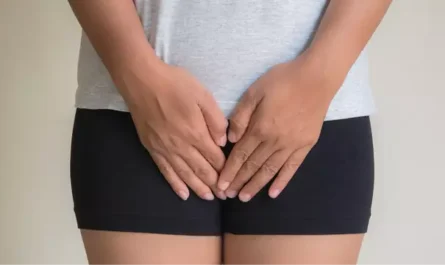
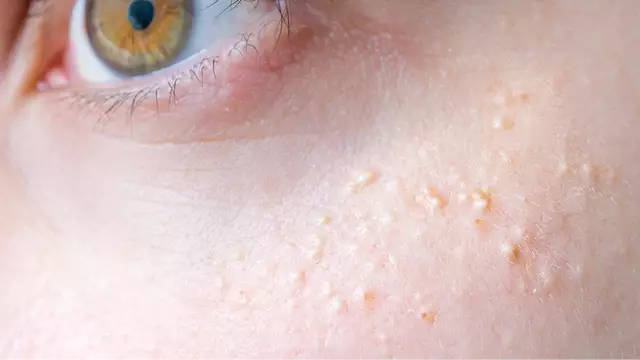
by If you’ve ever noticed tiny white or flesh-colored bumps on your face or even your body, you’re not alone. These spots — often found around the eyes, lips, or genitals — are commonly known as milia, or “milk spots.”
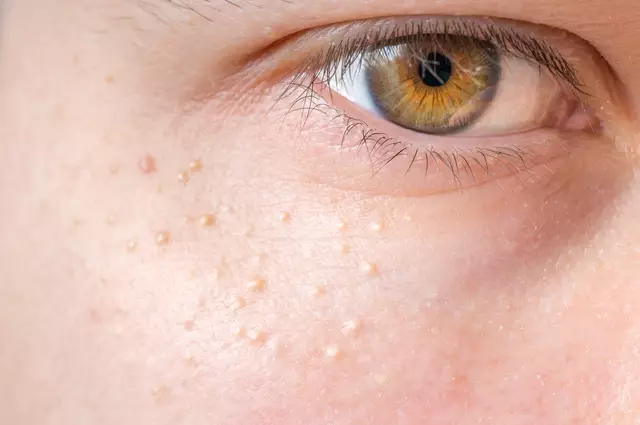
Milia are common but there is one thing you should keep in mine (vchal/Getty)
According to the Cleveland Clinic, milia are small, benign cysts formed when keratin (a natural protein in your skin) becomes trapped beneath the surface. They are harmless, non-contagious, and can appear in people of any age — though they’re particularly common during puberty or after skin irritation.
Why Do Milia Form?
Milia develop when dead skin cells or keratin get trapped under the outer layer of skin instead of shedding naturally. This can happen for several reasons:
- Excess oil production, especially during hormonal changes like puberty.
- Sun damage or use of heavy skincare products that block pores.
- Healing skin, such as after burns or rashes.
- Lack of exfoliation, which allows dead skin to accumulate.
Dermatologist Dr. Marnie Nussbaum explains that milia “are often confused with whiteheads or acne, but unlike acne, they are firm and not filled with liquid or bacteria.” This means that typical acne treatments — like spot creams or extraction — often don’t work.
How to Tell Milia Apart from Other Skin Conditions
It’s easy to mistake milia for acne, cold sores, or even genital herpes, but there are clear differences:
| Condition | Cause | Common Areas | Key Symptoms |
|---|---|---|---|
| Milia | Keratin trapped under skin | Face, eyelids, lips, genitals | Small, hard, white bumps; painless |
| Acne | Blocked pores & bacteria | Face, back, chest | Red, inflamed pimples or whiteheads |
| Cold Sores | Herpes simplex virus type 1 | Lips, mouth | Fluid-filled blisters that crust over |
| Genital Herpes | Herpes simplex virus type 2 | Genital area | Painful blisters or sores |
For peace of mind, consult a dermatologist if you’re uncertain — especially if the spots itch, hurt, or change appearance.
Why You Should Never Pick or Pop Them
It may be tempting to squeeze or scratch at white bumps, but doctors strongly advise against it. The National Institutes of Health (NIH) and Healthline both note that picking at milia can lead to infection or scarring.
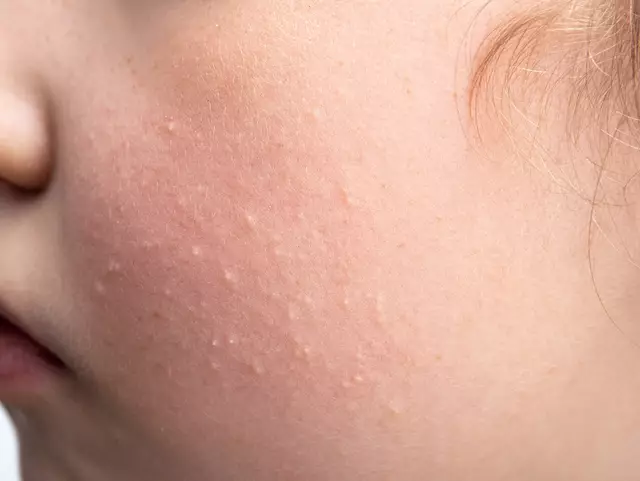
Doctors issued one bit of advice around them (Helin Loik-Tomson/Getty)
Trying to “pop” them won’t remove the keratin core and can instead cause inflammation or spread bacteria to nearby skin. This is especially important for sensitive areas like the genitals or around the eyes, where the skin barrier is delicate.
Safe Ways to Treat or Prevent Milia
If the bumps bother you aesthetically or cause discomfort, several safe treatment options are available:
- Gentle exfoliation: Use mild chemical exfoliants (like lactic or glycolic acid) a few times a week to encourage cell turnover.
- Professional removal: Dermatologists can use sterile needles or laser therapy to extract milia safely.
- Hydration and sun protection: Moisturize daily and wear SPF to prevent further irritation.
- Avoid heavy creams: Choose non-comedogenic products to reduce clogging.
According to Harvard Health, maintaining a consistent, gentle skincare routine is one of the best ways to prevent recurrence.
When to See a Doctor
While milia are harmless, you should speak to a healthcare professional if you notice:
- Rapid spreading or painful bumps
- Redness, swelling, or pus (signs of infection)
- Lesions that change color or shape
Your doctor can confirm whether the spots are indeed milia or another condition that requires medical treatment.
Related on Viralsensei.com
- Doctor Reveals Common Skin Habits That Cause Acne Breakouts
- Why You Should Never Pop Pimples, According to Experts
- Dermatologists Explain What Your Skin Says About Your Health
- Simple Morning Routine That Can Transform Your Skin Health
- What Happens When You Skip Sunscreen Regularly
The Takeaway
Milia are extremely common and nothing to worry about — but understanding what they are can help you treat your skin with more care. Avoid picking or squeezing them, focus on gentle exfoliation, and see a dermatologist if you’re unsure.
With the right skincare routine and a little patience, these tiny white bumps usually fade away on their own.
External Sources:
Cleveland Clinic | Healthline | NIH | Harvard Health | BBC Health
Disclaimer:
This article is for informational purposes only and does not constitute professional medical advice. Always consult a qualified healthcare provider regarding any skin or health concerns.