
 by
by A growing number of Australian health organisations are raising the alarm over the rise of so-called “freebirths” – when labour and delivery are undertaken intentionally without a registered healthcare professional. The peak body The Royal Australian and New Zealand College of Obstetricians and Gynaecologists (RANZCOG) has called for government intervention, citing preventable deaths and serious complications. Recent tragic cases in Victoria have brought the issue into sharp focus.
Here’s a breakdown of what’s happening, why experts are concerned, and what it might mean for parents-to-be and policy makers.
What is a “freebirth” and how does it differ from a homebirth?
Definition and contrast
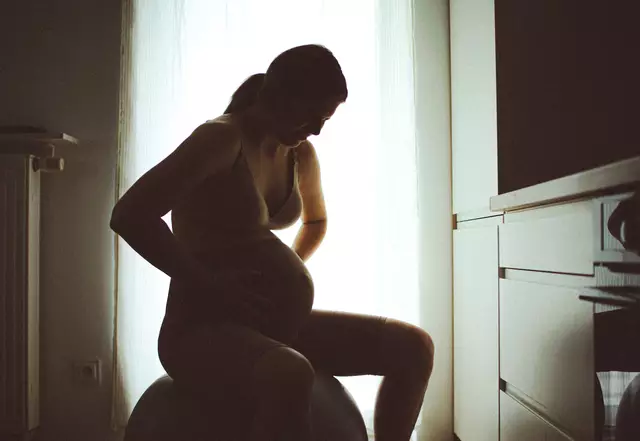
An organization has said freebirths are causing needless deaths (Getty Stock Image)
According to Safer Care Victoria:
- A freebirth is “when a woman makes a conscious decision to give birth without the support of a registered health professional, such as a midwife or doctor registered with the Australian Health Practitioners Registration Agency (AHPRA).” Better Safer Care
- A planned homebirth involves a pregnancy and birth at home with a registered professional (midwife or doctor) whose role includes assessing risk and arranging transfer if needed. Better Safer Care
Why the distinction matters
- In homebirths with professional support, there’s a system in place for monitoring and responding to complications.
- Freebirths lack that clinical oversight and readiness for emergencies, which increases the risks. For example, Safer Care Victoria notes: “The absence of appropriate clinical support during freebirth has led to preventable harm and loss of life.” Better Safer Care
- The fact that freebirths are done outside regulated midwifery/obstetric care highlights gaps in accountability and emergency support.
Why the concern: Recent cases and expert warnings
Incidents spotlighting the issue

Stacey’s husband Nathan said his wife died after giving birth due to a complication (GoFundme)
- A tragic case occurred in September 2025: Melbourne-based nutritionist and influencer Stacey Warnecke (Hatfield) died after giving birth at home and being transferred to hospital due to complications. While it’s not confirmed she was freebirthing, the incident reinforces the dangers authorities point to. Herald Sun+1
- The Victorian coroner found a 2022 case of a baby born at home without professional support (“freebirth”), in which undiagnosed maternal diabetes and lack of transfer to hospital were contributing factors. Herald Sun
- According to news reporting, since 2015 several infant deaths in Victoria have been linked to planned freebirths. Herald Sun+1
Regulatory & medical body reactions
- RANZCOG (together with the Australian College of Midwives) has urged state and federal health ministers to introduce legislation that explicitly restricts labour and birth management to appropriately trained, registered practitioners and prohibits un-licensed persons from managing the process. Herald Sun
- Safer Care Victoria states that freebirth “can carry risks, including potential complications during labour and birth, that may require urgent medical care.” Better Safer Care
What are the risks and contributing factors?
Possible risks
- When complications such as heavy bleeding, fetal distress, or maternal illness arise during labour, rapid access to clinical intervention can be critical. Freebirths by definition lack that professional readiness.
- Studies in Australia suggest higher perinatal mortality rates in non-hospital births when risk assessment and transfer systems aren’t well integrated. O&G Magazine
- The unpredictability of labour means even pregnancies considered “low risk” can become high risk fast—making the absence of registered support more dangerous.
Why some families opt for freebirth
The decision to freebirth may stem from a range of personal, social or logistical reasons:
- A desire for autonomy and minimal medical intervention.
- Past trauma or dissatisfaction with hospital maternity care, or perceived over-medicalisation.
- Difficulty accessing midwife-attended homebirth services (due to cost, location, or system constraints).
- Influence of online communities and wellness messaging promoting “natural” birth options.
While these motivations are meaningful, experts emphasise that autonomy must be coupled with safety and support.
What changes are being proposed?
Regulatory responses
- RANZCOG and ACM call for clear legislation limiting labour and birth care to registered professionals, and prohibiting unregulated individuals from managing the process. Herald Sun
- Some states are reviewing models: e.g., Victorian government announced it will “review” the South Australian model of restricting birth-worker regulation. Herald Sun
- Health bodies like Safer Care Victoria encourage women to seek care from registered midwives or doctors for the best outcome. Better Safer Care
What parents-to-be can do
- Ask key questions about your maternity care plan: What happens in an emergency? How far is the hospital? How will transfers work?
- Ensure your chosen provider is registered and has a plan for escalation, should labour not proceed as expected.
- Recognise that birth-place choice is valid, but it benefits from planning, risk-assessment and support.
- If you’re considering a homebirth option, make sure you’re in a program with credentialed midwives, established transfer protocols and clear safety procedures.
Conclusion
The movement toward “freebirths” reflects real issues: maternal concerns about autonomy, comfort, past experience and the desire for birth on their own terms. Yet the consistent message from medical and regulatory bodies in Australia is that intention does not eliminate risk—and that births without registered professional oversight can lead to preventable harm.
With recent deaths and coroner findings, the call to action is growing louder: the system must adapt so that choice and safety go hand in hand. As a parent or parent-to-be, the most important question is not simply where to give birth, but how the care team is set up — the person present, the backup plan, the pathway to emergency intervention.
Disclaimer: This article is for informational purposes only and does not constitute professional medical advice. Always consult a qualified healthcare provider for decisions about pregnancy, labour and birth.