 by
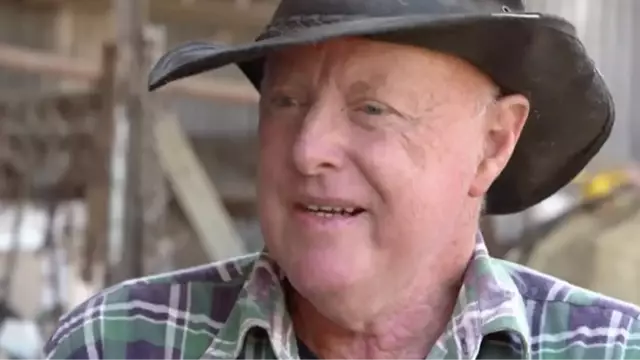
by When Australian poultry farmer Rob Wilson turned 50, he thought he’d seen it all—until a single phone call from his aunt changed everything. The call revealed a secret that had been hidden since his birth: Rob was born intersex, meaning he had both male and female biological characteristics.
Doctors had decided when he was only three days old that he would be raised as a boy, performing surgery that altered his body permanently. “They decided because I peed out of a penis, I’d be made a boy,” Rob recalled in an interview with ABC Australia.
For decades, he lived his life as a typical Australian man—farming, working hard, and facing challenges—but something inside always felt different.
Growing Up Different
Rob’s childhood wasn’t easy. From age eight, doctors prescribed him daily testosterone supplements, believing it was necessary for his health. But the treatment caused numerous health problems, including mood changes and physical side effects.
Even at school, things were tough. A teacher once ridiculed him in front of classmates, leaving lasting emotional scars. “You’re half like me and half like our sister,” his brother once said—a comment that stuck with him for years.
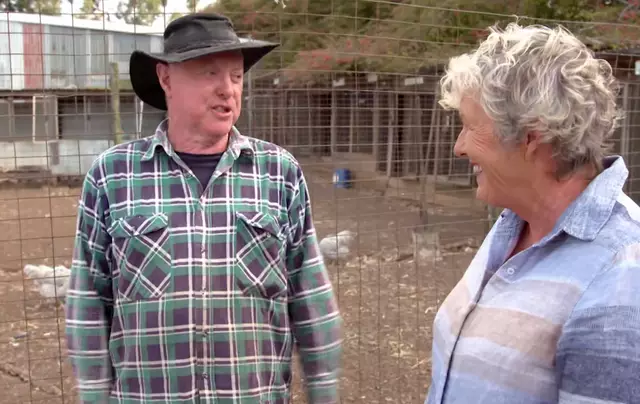
Rob recalled how doctors decided he was biologically more male at birth (ABC Australia)
Many people with intersex traits experience similar confusion growing up. According to the World Health Organization (WHO), intersex variations occur in about 1 in 2,000 births worldwide—though exact numbers are hard to determine due to underreporting and secrecy.
The Truth Revealed
It wasn’t until Rob’s dying aunt asked him to visit that he learned the truth. She revealed he had a rare chromosomal condition known as 48,XXXY syndrome—a variation that affects roughly 1 in 17,000 to 1 in 50,000 males, according to the National Institutes of Health (NIH).
This discovery made sense of many unexplained health issues Rob had faced throughout his life. He even recalled experiencing severe cramps while working road crews—symptoms he now believes were related to his body’s unique hormonal cycles.
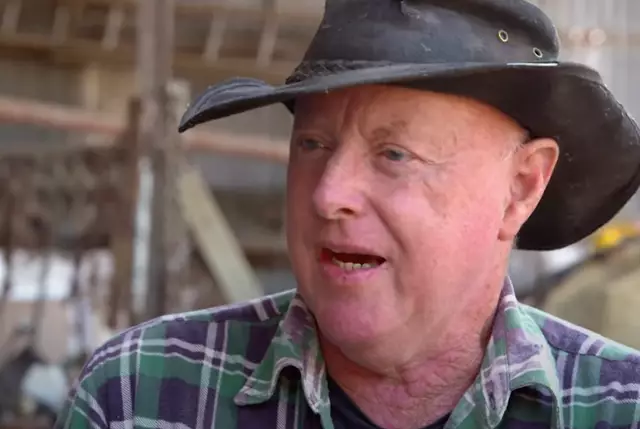
ABC
Rob also noticed that his high iron levels might have been due to his body reabsorbing menstrual blood internally after the surgery he underwent as an infant. While his theory remains unproven, it highlights the complexity of intersex conditions and the long-term effects of early medical interventions.
(For more stories about personal health journeys, check out this article on overcoming rare medical challenges and how science is advancing in genetic research.)
Could World War II Experiments Be Linked?
Rob has his own theory about why he was born intersex. He believes it might be connected to his father’s experiences during World War II.
His father was captured by German forces and reportedly subjected to experimental injections while a prisoner of war. “Whether that was something they were experimenting with or not, I don’t really know,” Rob said.
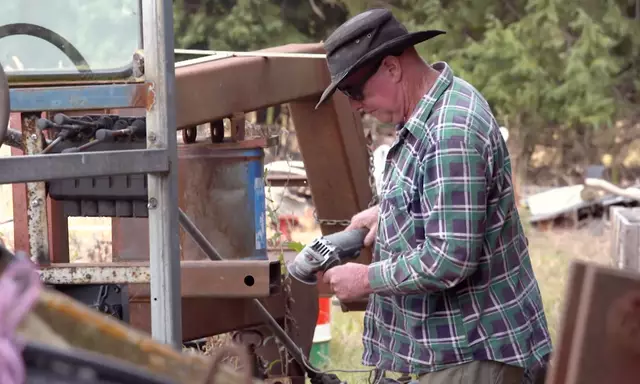
Rob has been travelling to Ukraine for the past 14 years to receive hormone treatments (ABC Australia)
While there is no scientific evidence directly supporting such a genetic link, researchers have explored how extreme stress, malnutrition, and exposure to chemicals during wartime could affect future generations. According to Harvard Health Publishing, trauma and environmental factors can sometimes influence gene expression across generations—a field known as epigenetics.
Finding Hope and Helping Others
Since learning about his intersex identity, Rob has become a passionate advocate for awareness and medical ethics. For the past 14 years, he’s been traveling to Ukraine to receive specialized hormone therapy not available in Australia. His treatment includes a contraceptive pill, growth hormone, and a testosterone suppressant, helping balance his body’s natural chemistry.
Doctors in Ukraine later confirmed that Rob is biologically more female than male, leading him to embrace both aspects of who he is. He now travels the world, speaking at universities and conferences to promote understanding of intersex conditions and the need for more compassionate care.
“I hope the next poor person like me gets a better run than I did,” Rob said. “Unless people like me speak out, it’s going to keep happening.”
Understanding Intersex Conditions
Intersex people are born with physical or genetic traits that don’t fit typical definitions of male or female. The United Nations Office of the High Commissioner for Human Rights (OHCHR) emphasizes that being intersex is a natural variation of human biology, not a disorder.
Here’s what experts recommend:
- Avoid unnecessary surgeries on intersex infants.
- Support open, age-appropriate discussions within families.
- Promote inclusive healthcare and education.
(Learn more in our guide on understanding gender and biology or read about global efforts toward intersex rights.)
Looking Ahead
Rob Wilson’s story is a reminder that identity, health, and humanity are not always as clear-cut as society expects. His courage to share his journey is paving the way for greater acceptance and understanding.
As global awareness grows, more people are realizing that intersex individuals deserve respect, privacy, and proper medical support—without shame or secrecy.
For accurate information on intersex conditions and support resources, visit:
- World Health Organization (WHO)
- National Institutes of Health (NIH)
- Harvard Health Publishing
- United Nations OHCHR – Intersex Fact Sheet
Disclaimer: This article is for informational purposes only and does not constitute medical or professional advice. Always consult a qualified healthcare professional for diagnosis or treatment.