 by
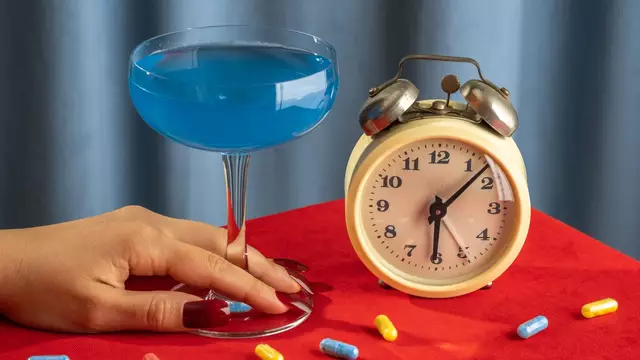
by Enjoying a glass of wine or beer is common for many adults. But if you’re taking medication, even a small amount of alcohol can cause more harm than you might expect. Pharmacist Deborah Grayson recently explained to Mail Online how combining alcohol with certain drugs can lead to dangerous, even life-threatening, side effects.
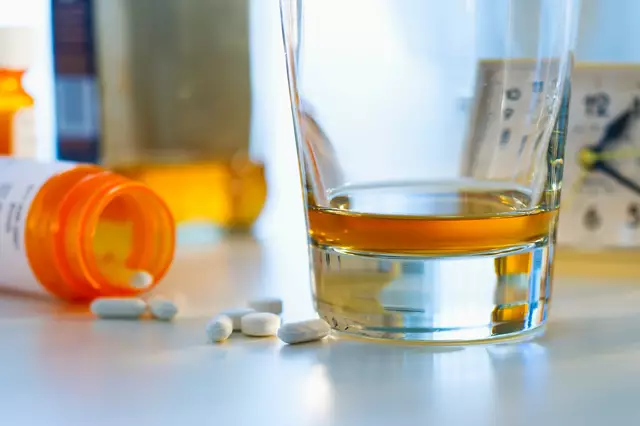
Pharmacist Deborah Grayson warned even a little bit of alcohol can have adverse effects(Getty Stock Image)
Here’s what you should know about the risks and why experts, including the NHS and CDC, strongly advise against mixing alcohol with medications.
1. Antibiotics and Alcohol: A Risky Combination
Antibiotics help your body fight infections—but when combined with alcohol, they can make you feel extremely sick. Grayson warns that metronidazole and ciprofloxacin are especially dangerous to mix with alcohol.
Even a small amount, like a dessert containing liqueur, can cause:
- Severe nausea and vomiting
- Headaches
- Rapid heart rate
- Feelings of extreme illness
According to Harvard Health, alcohol can also interfere with your body’s ability to fight infection effectively, slowing recovery time.
(Related: Here’s what happens when you skip your antibiotics dose)
2. Blood Thinners and Alcohol: Internal Bleeding Risk
Blood thinners like Warfarin help prevent blood clots that can lead to heart attacks or strokes. But alcohol can change how your body processes this drug.

Drinking alcohol with some medications can make them less effective (Getty Stock Image)
This may result in:
- Increased bleeding risk (including internal bleeding)
- Blood clots if alcohol weakens the medicine’s effect
The American Heart Association warns that people taking anticoagulants should avoid alcohol or drink only under strict medical guidance.
(Read next: Simple ways to support your heart health naturally)
3. Antidepressants: Alcohol Can Worsen Low Mood
Antidepressants such as amitriptyline and mirtazapine can cause drowsiness, which alcohol makes worse. Beyond that, alcohol itself is a depressant—it can undo the positive effects of your medication.
According to the National Institutes of Health (NIH), alcohol can interfere with serotonin and dopamine levels, deepening symptoms of depression or anxiety.
You might experience:
- Worsened mood swings
- Dizziness or fainting
- Reduced medication effectiveness
(Related read: How to support your mental health with small daily habits)
4. ADHD Medications and Alcohol: Hidden Dangers
ADHD drugs like methylphenidate and lisdexamfetamine are stimulants that help with focus and energy. However, mixing them with alcohol can be deceiving—these medications mask alcohol’s effects, leading people to drink more than they realize.
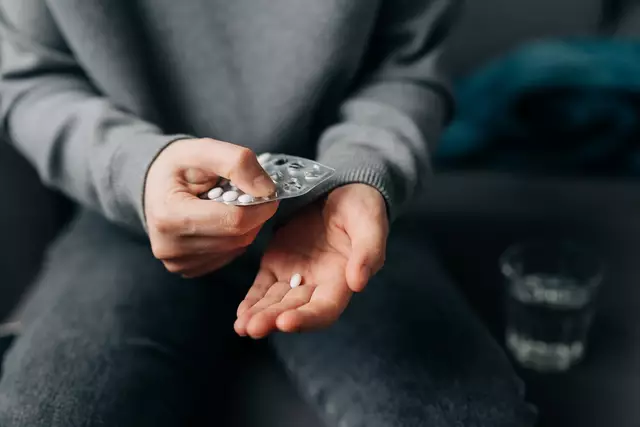
The expert warned that the alcohol with medication combo can result in more severe side effects (Getty Stock Image)
This can increase the risk of:
- Alcohol poisoning
- Heart palpitations
- Impaired judgment
Experts at Mayo Clinic note that alcohol also worsens ADHD symptoms such as impulsivity and restlessness.
(See also: What happens when you skip ADHD medication doses)
5. Antipsychotics and Alcohol: A Double Sedative
Antipsychotic medications, used for conditions like schizophrenia or bipolar disorder, already cause drowsiness. Adding alcohol intensifies these effects, making driving or operating machinery dangerous.
Alcohol can also amplify mood changes, impair judgment, and disrupt the medicine’s benefits. The World Health Organization (WHO) recommends complete avoidance of alcohol when taking psychiatric medications.
(Learn more: How antipsychotic medication works in the brain)
6. Sleeping Pills and Alcohol: A Dangerous Mix
Grayson emphasizes that even over-the-counter sleeping tablets shouldn’t be mixed with alcohol. Both substances depress the central nervous system, increasing the risk of:
- Dangerous drowsiness or confusion
- Breathing problems
- Falls and injuries (especially in older adults)
The National Sleep Foundation explains that alcohol also disrupts sleep quality, meaning you wake up groggy even if you fall asleep faster.
(You might also like: Why quality sleep matters more than sleep hours)
The Bottom Line
Even small amounts of alcohol can cause serious reactions when combined with medication. Always check your prescription label and ask your pharmacist if it’s safe to drink while on any medication. When in doubt, it’s best to skip the alcohol altogether.
Your health and safety are worth it.
Disclaimer: This article is for informational purposes only and does not constitute medical or professional advice. Always consult a qualified healthcare provider before mixing medication with alcohol or making changes to your treatment plan.