
 by
by A new directive from the Donald Trump administration has expanded the U.S. visa-screening process to include common chronic health conditions, raising questions and concerns for international travellers. According to the guidance, health factors like cardiovascular disease, diabetes, obesity and neurological issues may now be considered when embassies assess visa eligibility. The Washington Post+1
In this article, we’ll break down what’s new, who could be impacted, and what you can do if you’re travelling or planning to apply for a U.S. visa.
What’s Changed?
Expanded health screening
Previously, applicants for U.S. visas were required to undergo a medical exam focused primarily on communicable diseases and clear public-health risks. The new guidance instructs consular officers to go further: consider chronic health conditions and related costs as part of the “public charge” assessment (i.e., whether someone is likely to become a burden on U.S. public resources). AP News+1

Travelers living with any number of conditions could be denied a visa (JodiJacobson/Getty Images)
Examples of conditions listed include:
- Cardiovascular diseases
- Respiratory diseases
- Cancers
- Diabetes and other metabolic diseases
- Neurological diseases
- Mental health conditions The Washington Post
This means that even non-communicable, relatively common conditions may now increase visa risk.
Broader immigration consequences
While much of the reporting focuses on tourist or temporary visas, the directive also touches on long-term immigration (green cards) and family-based visas, by emphasising economic self-sufficiency, health cost risk and “public charge” potential. AP News+1
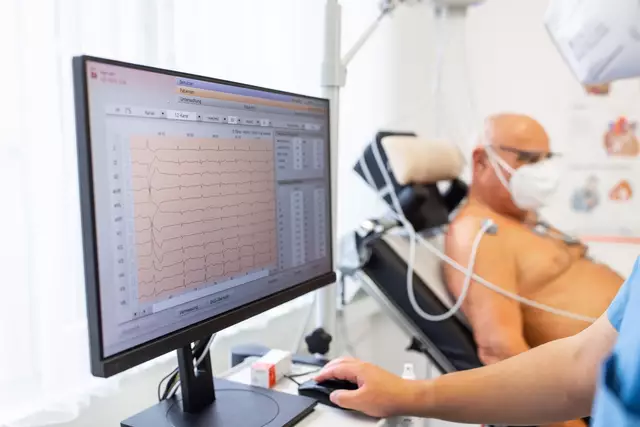
Cardiovascular disease is the leading cause of death around the world (Luis Alvarez/Getty Images)
Critics say this expands discretion for visa denial in unprecedented ways. For instance:
- Age, number of dependents, existing health conditions of dependents and special needs are now flagged. The Washington Post
- The policy doesn’t just cover new applicants—it may impact renewals or extensions under certain conditions. AP News
Who Could Be Affected?
Travellers with chronic conditions
People with widely-prevalent health issues such as diabetes, obesity, high blood pressure, asthma, or migraines now face additional uncertainty when applying for U.S. visas.

Keeping an eye on your blood sugar levels is an important part of managing diabetes (fcafotodigital/Getty Images)
For example:
- According to WHO data quoted in the reporting, around 14 % of adults worldwide had diabetes in recent years. The Washington Post
- Cardiovascular disease, respiratory disease, metabolic syndrome: these affect hundreds of millions globally.
So even a traveller who is well managed medically might still face extra scrutiny under this new approach.
Families, older travellers and dependants
The directive emphasises other risk-factors beyond health: age, number of dependents, dependants with special needs. So imagine an older applicant with minor health issues plus elderly dependents—this combination might raise red flags under the new policy. The Washington Post
Also, while humanitarian visas or refugee admissions may have different rules, ordinary tourist or immigrant visa applicants are much more exposed under these new criteria.
What This Means in Practice for Tourists and Visa Seekers
Don’t assume it’s only about terror or country bans
Much of the earlier travel-ban coverage around Trump focused on nationality-based bans (citizens of certain countries). Foreign Policy+1
This new guidance is different: it isn’t just about country of origin, but about the individual’s health, finances and likely long-term cost to the U.S. system.

People who suffer from migraines or seizures could be barred entry (Olga Rolenko/Getty Images)
Preparation is key
If you are planning a trip to the U.S. or applying for a visa, consider the following:
- Medical documentation: If you have a chronic condition, carry up-to-date records, diagnoses, and proof of stable treatment.
- Financial evidence: Be ready to document your assets, savings, employment, ability to cover health costs if needed. The guidance asks officials to view bank statements, savings, trust funds, retirement accounts. AP News
- Plan ahead: If you rely on regular health care, insulin, oxygen or other treatments, plan for travel insurance, documentation and contingency for treatment abroad.
- Visa interview readiness: You may be asked about your health condition, dependents, financial standing, and ability to support yourself while in the U.S.
Travel tips for people with medical conditions
Even without visa concerns, travel with a chronic health issue always requires more planning. Some general guidelines:
- Carry medications in hand-luggage with original labels.
- Have a doctor’s letter summarising your condition and travel fitness.
- Ensure your travel insurance covers pre-existing conditions.
- For long flights: stay hydrated, move around, and consider risks such as deep-vein thrombosis (DVT) for cardiovascular patients.
- For conditions like respiratory disease, check air-quality, altitude and weather changes at your destination.
What the Experts and Critics Are Saying
Immigration attorneys and policy analysts warn that the new health-based screening raises serious concerns:
- “This could lead to a substantial narrowing of immigration,” said one analyst from the Migration Policy Institute. AP News
- Lawsuits may challenge whether consular officers have the authority to deny visas purely on chronic health grounds. A federal judge recently ruled the State Department cannot use a certain prior travel ban to deny visas for 82 applicants. Politico
- Critics caution the policy may disproportionately affect older adults, individuals with moderate health issues and family-based visa applicants, rather than those presenting actual public-health risks.
On the other hand, the administration argues that public-charge rules have long existed and that the current move simply enforces them more strictly by including health-cost risk assessments. The Washington Post
Conclusion
If you hold a visa or are planning travel to the U.S., it’s important to stay aware of changes in policy—and this health-screening expansion is one you definitely want to follow. While it doesn’t mean that everyone with a chronic condition will be denied entry, the discretionary power given to visa officers has increased, and the risk of delay or denial is higher for certain profiles.
If you or someone you are travelling with has a pre-existing health issue—especially one that requires ongoing treatment—take extra steps now: gather documentation, understand your finances and treatment needs, and ensure you meet the visa requirements thoroughly.
Disclaimer: This article is for informational purposes only and does not constitute professional immigration or medical advice. Always consult a qualified immigration attorney or medical professional for your specific situation.