 by
by When you know something feels “off” in your body, it can be frustrating—and frightening—when the first round of medical tests doesn’t offer answers. That’s exactly what happened to Amy Skoutelas, a mom of three who went from feeling healthier than ever to battling persistent digestive symptoms that didn’t make sense.
Her journey is a reminder that health concerns aren’t always straightforward, and sometimes, pushing for answers can make all the difference. In this article, we’ll walk through Amy’s story, what her experience highlights about pancreatic symptoms, and why health experts often encourage seeking a second opinion when symptoms don’t improve.
When Everyday Symptoms Don’t Add Up
A Sudden Change After Feeling Her Best
After the birth of her third child, Amy committed to a fitness journey that helped her lose 30 pounds and regain confidence in her health. But early this year, she suddenly developed stomach pain after dinner—something she described as trapped gas.
When the discomfort lingered, she went to the ER. Bloodwork showed elevated lipase levels, which can signal irritation or inflammation in the pancreas. Still, a CT scan looked normal, and she was sent home with instructions to increase fiber and fluids for presumed constipation.
Symptoms That Continued to Worsen
Over the following weeks, Amy struggled with:
- Bloating
- Gas pain
- Persistent urges to have a bowel movement
- Worsening acid reflux
- Later, diarrhea and a “gnawing” stomach sensation
Despite more tests—including X-rays, bloodwork, an upper endoscopy, and a gastric emptying study—nothing unusual appeared.

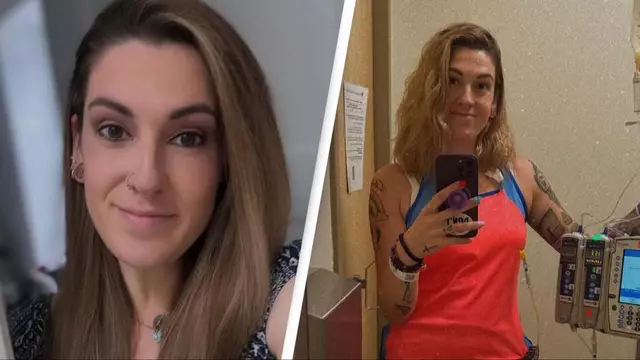
Amy Skoutelas was diagnosed with cancer earlier this year (ayemamaskoutelas/Instagram)
Stories like Amy’s illustrate why certain digestive symptoms can be tricky. According to the Centers for Disease Control and Prevention (CDC), early signs of pancreatic issues are often vague and similar to common gastrointestinal discomforts, making diagnosis challenging.
The Turning Point: A Second Opinion That Changed Everything
A New Gastroenterologist Saw Something Others Missed
Still convinced something wasn’t right, Amy sought a new specialist. This doctor ordered a fresh MRI—one that finally showed a 1.7-centimeter mass in her pancreas.
A biopsy confirmed the unthinkable: she had stage 3 pancreatic cancer.
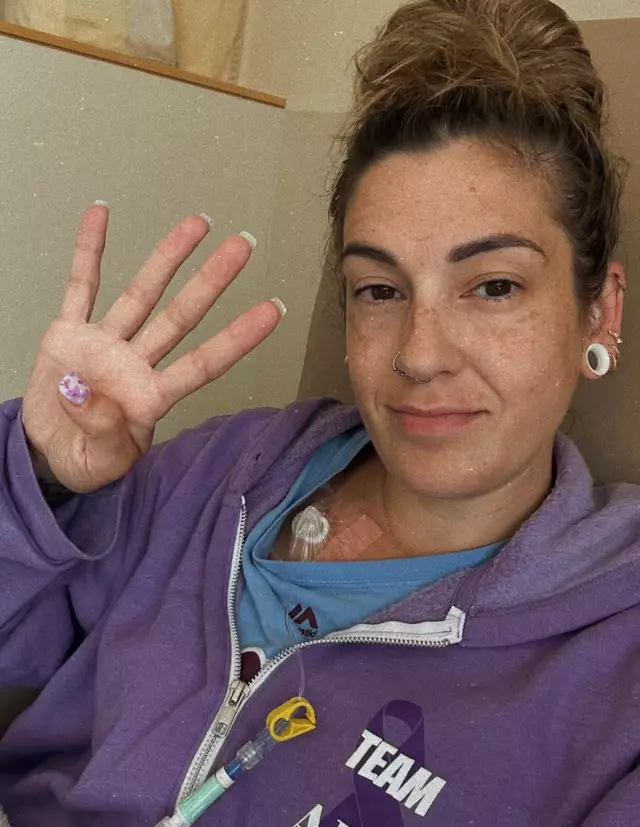
Amy has been documented her cancer journey on social media (ayemamaskoutelas/Instagram)
Pancreatic cancer is known for being difficult to detect early. The National Cancer Institute (NIH) notes that symptoms often don’t appear until the disease has advanced, which makes routine imaging even more important when symptoms persist.
Processing a Life-Changing Diagnosis
When she received the diagnosis, Amy said she collapsed to the floor. Thinking of her children, she feared the worst.
But this moment also marked the beginning of the medical intervention that would ultimately save her life.
Treatment, Surgery, and a Hard-Fought Recovery
Surgery and Chemo to Stop the Cancer’s Spread
Amy began chemotherapy and soon underwent a distal pancreatectomy, a surgery to remove the body and tail of the pancreas. Surgeons also removed her spleen and 35 lymph nodes, seven of which showed signs of cancer.
While pancreatic surgery is complex, the American Cancer Society explains that removing localized tumors can significantly improve survival outcomes when cancer hasn’t spread extensively.
Promising News After Months of Treatment
By September, scans showed no evidence of the disease. A more recent scan also detected no further spreading—encouraging news for her and her family.
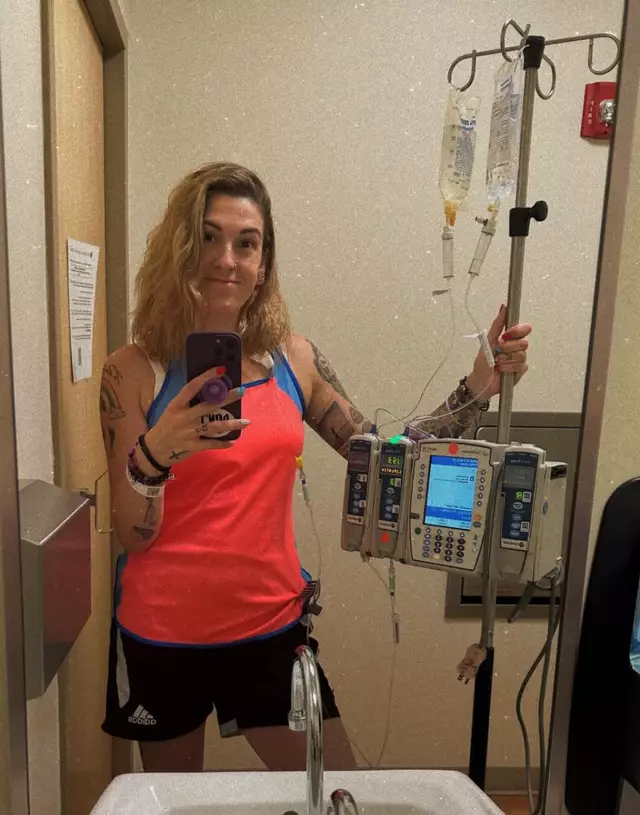
Surgeons were able to remove the tumor in Amy’s pancreatic duct (ayemamaskoutelas/Instagram)
Throughout the process, Amy has been open about her journey on social media, using her experience to encourage others to speak up when something doesn’t feel right.
What Amy’s Story Teaches Us About Self-Advocacy
Why Second Opinions Are Sometimes Essential
Symptoms can be confusing, and bodies don’t always follow textbook patterns. Health organizations like Harvard Health Publishing often emphasize that if symptoms continue or worsen despite a “normal” workup, it’s reasonable—and sometimes necessary—to seek another opinion.
Amy’s persistence didn’t just bring her peace of mind; it led to a diagnosis that could easily have been missed for much longer.
Listening to Your Body Isn’t Overreacting
Her story supports one key takeaway: you know your body better than anyone else.
If something feels unusual or doesn’t improve, it’s worth seeking additional guidance. As the World Health Organization (WHO) notes, early detection is a major factor in long-term treatment success for many conditions.
Related Stories on Viralsensei.com
Here are a few articles you may also find helpful:
- How One Woman Spotted a Silent Health Issue Before It Became Serious
https://viralsensei.com/how-one-woman-spotted-a-silent-health-issue - Daily Habits Doctors Say Can Support Better Digestive Health
https://viralsensei.com/digestive-health-daily-habits - A Mom’s Unexpected Symptom That Revealed a Hidden Condition
https://viralsensei.com/mom-unexpected-symptom-hidden-condition - Why Paying Attention to Small Health Changes Matters
https://viralsensei.com/why-small-health-changes-matter
Conclusion
Amy’s story is difficult, inspiring, and deeply human. It highlights how hard it can be to get clear answers when symptoms mimic everyday issues—and why staying proactive about your health can be life-saving.
While her cancer journey is ongoing, her progress offers hope and underscores an important message: if something feels wrong, advocate for yourself. Ask questions. Get a second opinion. Keep pushing until you’re heard.
External Sources Referenced
- CDC – Pancreatic Health Overview: https://cdc.gov
- National Cancer Institute – Pancreatic Cancer Insights: https://cancer.gov
- American Cancer Society – Pancreatic Cancer Treatment: https://cancer.org
- Harvard Health Publishing – When to Get a Second Opinion: https://health.harvard.edu
- WHO – Importance of Early Detection: https://who.int
Disclaimer
This article is for informational purposes only and does not constitute medical or professional advice. Always consult a qualified healthcare provider with any questions about your health or before making medical decisions.