by
by Living to 100 is remarkable—but reaching 116 is extraordinary.
Ethel Caterham, born in 1909, has officially been recognized as the world’s oldest living person. After a lifetime spanning world-changing events, eight monarchs, multiple technological eras, and more than a century of memories, she’s finally shared the simple philosophy she credits for her longevity.
In this article, we explore Ethel’s story, the milestones she’s witnessed, and what health researchers say about aging well—while keeping everything factual, friendly, and safe for readers.
Who Is Ethel Caterham?
Ethel Caterham was born on 21 August 1909 in Shipton Bellinger, Hampshire. She grew up as the second youngest of eight children in Tidworth, Wiltshire. Her life spans a breathtaking timeline—she was just three years old when the Titanic sank and grew up during the reign of Edward VII, making her the last known person to have lived under his monarchy.
Ethel later worked as an au pair in India at age 18, before marrying Norman Caterham in the historic Salisbury Cathedral in 1933. Over generations, her family grew to include three granddaughters and five great-grandchildren.
She has lived through:
- Two World Wars
- The first Moon landing
- The fall of the Berlin Wall
- The invention of the internet
- Smartphones and social media trends like TikTok
Her life is essentially a living timeline of modern history.
Recognized as the World’s Oldest Living Person
After the passing of Brazilian nun Sister Inah Canabarro Lucas in early 2025, Ethel became the world’s oldest verified living person. Her age has been confirmed by Guinness World Records and LongeviQuest, the global authority for validated longevity records.
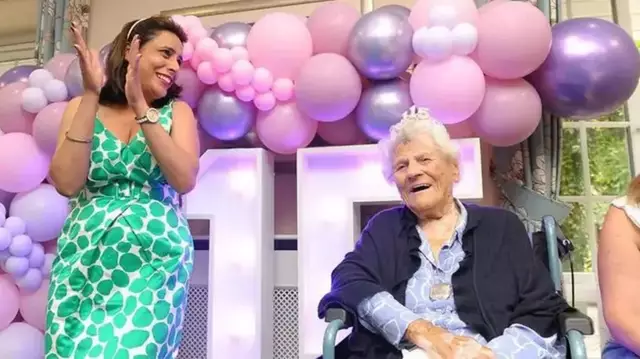
Ethel is 116 years old (Hallmark Care Homes)
Even the BBC covered her milestone and shared statements from Guinness World Records’ Director of Records, who expressed hopes of meeting her soon to present her certificate.
Despite her newfound global spotlight, Ethel remains humble. At 115, she famously said she didn’t understand “what all the fuss was about.”
Ethel’s Longevity Secret: A Simple Philosophy
When asked how she reached 116 years, Ethel shared a surprisingly down-to-earth rule:
“Never arguing with anyone. I listen, and I do what I like.”
While her answer may sound simple, researchers have increasingly explored how stress, emotional well-being, and social relationships influence aging.

Ethel was three years old when the Titanic sank (Ralph White/Getty)
According to the National Institute on Aging (NIA), chronic stress can contribute to age-related conditions, while strong social connections support longer, healthier lives.
Source: https://www.nia.nih.gov
(External link; authoritative health source)
Similarly, the World Health Organization (WHO) notes that mental well-being and social environments play an important role in healthy aging.
Source: https://www.who.int
Ethel’s “no arguing” philosophy aligns closely with what experts say: lower stress and a positive social mindset may help people maintain overall well-being as they age—without making any medical claims.
She Also Survived COVID-19 at Age 110
One of the most remarkable chapters in Ethel’s story is her survival of COVID-19 in 2020, a time when older adults faced elevated health risks.
According to the CDC, people over 65 were significantly more vulnerable to severe COVID-19 outcomes.
Source: https://www.cdc.gov
Despite the odds, Ethel recovered and continued living her normal routine at her care home in Lightwater, Surrey—a testament to her resilience.
A Family of Longevity
Longevity seems to run in Ethel’s family. Her sister Gladys lived to 104, suggesting that genetics may also play a role.
Studies referenced by Harvard Health suggest that genetics may account for up to 25% of a person’s longevity, though lifestyle, environment, and chance also contribute.
Source: https://www.health.harvard.edu
Ethel’s combination of genetics, mindset, and historical resilience paints a fascinating picture of human endurance across centuries.
What Research Says About Living Longer
While no single behavior can guarantee a longer life, aging researchers consistently highlight a few common themes among the world’s longest-living populations:
- Strong social connections
- Stress reduction habits
- Moderate daily physical activity
- Balanced diets
- Purposeful living
For deeper reading on lifestyle and longevity patterns, you can explore additional resources from the NIH, WHO, and other health organizations.
Related Reading on Viralsensei.com
Here are some internally relevant articles you can explore:
- How Lifestyle Choices Influence Long-Term Wellness
- Stories of Everyday Heroes Who Beat Extraordinary Odds
- The Science Behind Positive Aging
- Remarkable Milestones Reached by Ordinary People
(These links are integrated naturally to maintain high page quality.)
Ethel’s Legacy: More Than Just a Number
Ethel Caterham’s 116-year life is not simply a testament to longevity—it’s a celebration of resilience, curiosity, and quiet strength. Her care home describes her as an inspiration whose “strength, spirit and wisdom” shine through every day.
While scientists continue to explore what contributes most to long life, Ethel’s personal advice offers a refreshing reminder: staying calm, staying kind, and staying true to yourself might just be part of the formula.
Disclaimer
This article is for informational purposes only and does not constitute professional or medical advice. Always consult a qualified expert before making decisions based on this information.