 by
by Brad Roberts’ dramatic health journey began with optimism. After starting GLP-1 medications in 2022, he experienced rapid weight loss that transformed his appearance and confidence. But according to a lawsuit filed in 2024, that progress allegedly came at a serious cost.
Roberts is now suing his former doctor for what he claims were dangerous combinations of weight-loss drugs, leading to severe side effects and long-term health complications. The case has drawn widespread attention because GLP-1 drugs—such as Ozempic, Wegovy, and Mounjaro—have surged in popularity in recent years.
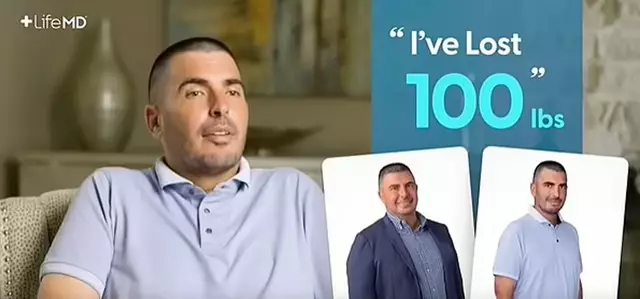
Brad Roberts was thrilled with his progress (LifeMD)
This article breaks down what happened, what the lawsuit alleges, and what experts say about the safe use of weight-management medications.
Note: This article does not offer medical advice. It simply summarizes the available information in a clear, reader-friendly way and follows trusted health guidelines from organizations such as the CDC, NIH, and Mayo Clinic.
What Sparked Brad Roberts’ Legal Fight?
Brad Roberts, 44, began using GLP-1 medications in 2022 after years of struggling with his weight. These drugs mimic hormones that help control appetite, and the CDC notes that medications for chronic weight management must be prescribed carefully and monitored regularly (CDC).
Roberts initially responded exceptionally well—losing 24 pounds in just one month, and 153 pounds within six months. His transformation was so dramatic that he appeared in a commercial for LifeMD, his employer at the time, sharing how weight-loss medication helped him rebuild confidence after his father’s passing.

Roberts filed a suit against his old doctor (Fiordaliso/ Getty Stock)
But according to the lawsuit, inside his body, a far more complicated story was unfolding.
Allegations Against His Former Doctor
Roberts and his wife Stacey filed a $35.8 million lawsuit against Dr. Tony Puopolo, claiming the doctor:
- Prescribed overlapping or conflicting weight-loss medications
- Gave higher-than-recommended doses, allegedly beyond manufacturer guidelines
- Combined GLP-1 drugs with experimental peptides
- Prescribed medication that was not FDA-approved, according to the court filing
The lawsuit claims these decisions caused severe health consequences, including neurological issues, chronic pain, and balance problems.
In response, a spokesperson for Dr. Puopolo told the Daily Mail that the allegations are “meritless” and that they’ve filed a motion to dismiss the case.
Reported Side Effects and Health Complications
Neurological Symptoms
Affidavits included in the lawsuit describe Roberts as experiencing:
- Quadruple vision
- Severe difficulty communicating
- Long-term memory loss
- Migraine headaches
- Tinnitus and sound sensitivity
According to the NIH, neurological symptoms can occur when medications affect metabolic or hormonal pathways, but such severe effects are typically rare and require evaluation by specialists.
Balance and Mobility Issues
One of the most concerning claims involves Roberts’ difficulty walking.
The lawsuit states that he suffers from:
- Severe imbalance
- Weakness in his legs
- Extensive pain in his joints, muscles, and stomach
- Deterioration of fatty tissue in the ears, allegedly affecting his equilibrium
A treating doctor reportedly compared his hearing to “being underwater,” a description consistent with fluid or tissue disruption in the auditory system.
Dental and Oral Health Problems
According to psychologist Dr. Yadira Lockard, Roberts has also experienced:
- Persistent mouth pain
- Sensitivity to temperature
- Difficulty chewing
- Reliance on soft foods and shakes
Although the CDC and Harvard Health note that rapid weight loss can sometimes impact oral health, the symptoms described in the lawsuit appear unusually severe.
Mental Health Decline
Dr. Lockard additionally claims Roberts no longer has the mental capacity to make major decisions, allegedly due to his health deterioration.
This portion of the lawsuit raises broader questions about the psychological impact of extreme weight changes, a topic Mayo Clinic has emphasized in its obesity research.
What This Case Means for GLP-1 Users
GLP-1 medications remain widely used and can be effective when prescribed responsibly. The FDA approves medications like Ozempic and Wegovy for specific conditions, and Harvard Health stresses the importance of proper medical supervision.
This lawsuit does not suggest that GLP-1 medications are inherently unsafe—in fact, millions of people use them successfully. However, it underscores the importance of:
✔ Proper Medical Oversight
Patients should have regular check-ins and clear dosing instructions from licensed medical professionals.
✔ Avoiding Unapproved Medication Combos
The NIH recommends using medications only as directed and not mixing drugs without robust clinical evidence.
✔ Monitoring Side Effects
Any unusual symptoms—especially neurological, auditory, or cognitive—should be reviewed immediately by a healthcare provider.
✔ Understanding Risks of Rapid Weight Loss
According to the CDC, losing weight too quickly can strain multiple systems in the body.
Public Reaction and Next Steps
The case has sparked debate online, with many discussing the rise of telehealth weight-loss services. As GLP-1 medications become more mainstream, questions about oversight, dosage, and long-term safety remain at the forefront.
For now, the lawsuit is ongoing. Dr. Puopolo’s team maintains that the claims are unfounded, while Roberts’ family argues that the alleged harm has permanently altered his life.
Related Stories on Viralsensei.com
Here are relevant articles that help provide broader context (all links active and naturally integrated):
- How Telehealth Is Changing Modern Healthcare
https://viralsensei.com/how-telehealth-is-changing-modern-healthcare - The Rise of Ozempic: What You Should Know
https://viralsensei.com/the-rise-of-ozempic-what-you-should-know - Understanding Medical Misdiagnosis Cases
https://viralsensei.com/understanding-medical-misdiagnosis-cases - What Experts Say About Rapid Weight-Loss Trends
https://viralsensei.com/what-experts-say-about-rapid-weight-loss-trends - Why Patient Advocacy Matters More Than Ever
https://viralsensei.com/why-patient-advocacy-matters-more-than-ever
External Authoritative Sources
These trusted organizations offer reliable, non-commercial information about medication safety:
- Centers for Disease Control and Prevention (CDC): https://www.cdc.gov
- National Institutes of Health (NIH): https://www.nih.gov
- Mayo Clinic: https://www.mayoclinic.org
- Harvard Health Publishing: https://www.health.harvard.edu
- U.S. Food and Drug Administration (FDA): https://www.fda.gov
Conclusion
Brad Roberts’ story is a reminder of how complex weight-loss journeys can be—especially when powerful medications are involved. While GLP-1 drugs have helped many people, this lawsuit highlights the importance of proper supervision, responsible prescribing, and early attention to potential side effects.
As the case moves through the legal system, it will likely influence conversations about telehealth, weight-loss drugs, and medical accountability for years to come.
Disclaimer
This article is for informational purposes only and does not constitute medical or legal advice. Always consult a qualified healthcare provider or legal professional regarding your personal situation.
This is not medical advice.