 by
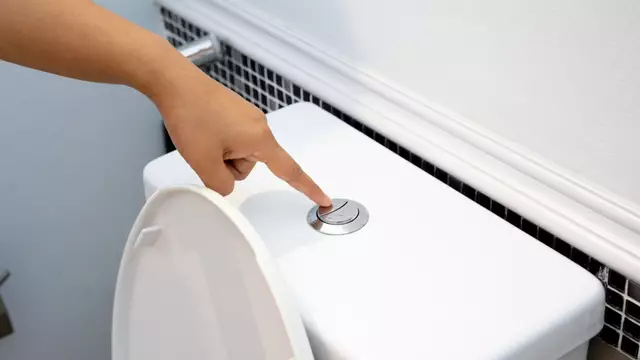
by It’s one of those everyday moments we tend not to bring up in polite conversation. You finish in the bathroom, flush—and a streak stubbornly clings to the bowl. Most of the time it’s nothing more than an inconvenience, but if it’s happening frequently, digestive health experts say it may be worth paying attention.

No-one likes being in this position (Olga Rolenko/Getty)
To make things easier (and much less awkward), this guide breaks down why this happens, what it might mean, and when to consider checking with a healthcare professional. The information below is based on insights from medical researchers and organizations such as the CDC, NIH, and Harvard Health.
Why Does Stool Sometimes Stick to the Toilet Bowl?
According to the National Institutes of Health (NIH), stool consistency is influenced by diet, hydration, gut bacteria, and how well your body absorbs nutrients. When any of these are out of balance, stool may become stickier or harder to flush.
Let’s look at the most common explanations.
1. High Fat Intake
A diet high in fried or greasy foods can lead to stool that floats or sticks to the bowl. Harvard Health explains that when your digestive system cannot break down all the fat you consume, the leftover fat can appear in your stool.
Signs your diet may be the cause:
- Pale or floating stool
- Greasy or sticky residue in the toilet
- A pattern that improves when you eat lighter meals
Small changes like reducing deep-fried foods and choosing healthier fats may help. If you enjoy everyday health tips, you might also like Why You Feel Tired Even After a Full Night’s Sleep.
2. Mucus in the Stool
Although it sounds unpleasant, mucus is naturally present in the intestines. However, visible mucus—especially in sticky stool—can sometimes be linked to conditions such as irritable bowel syndrome (IBS) or food sensitivities.

If it’s happening too often that might be a cause of concern (Antonio Hugo Photo/Getty)
According to the CDC, IBS can cause changes in stool form, frequency, and texture.
Possible explanations include:
- IBS
- Lactose intolerance
- Hemorrhoids
- In rare cases, chronic conditions like cystic fibrosis
These symptoms often fluctuate. If mucus is frequent or accompanied by pain, a healthcare provider may recommend further evaluation.
For more interesting body-related reads, check out What Your Nails Say About Your Health.
3. Black, Tarry, or “Sticky” Stool
One sign that warrants immediate attention is black and tar-like stool, known as melena. According to the Mayo Clinic, this may indicate bleeding in the upper gastrointestinal tract.
When to seek medical advice:
- Stool looks black, shiny, or tar-like
- Strong, unusual odor
- Accompanied by dizziness, fatigue, or stomach pain
This doesn’t automatically mean something serious, but it’s important to get checked promptly.
If you’re curious about other subtle body signals, you might like Ignoring Small Symptoms Can Sometimes Backfire, Experts Warn.
4. Pancreatic Enzyme Issues
The pancreas produces enzymes that help break down fat. When the pancreas doesn’t make enough of these enzymes—known as pancreatic insufficiency—fat may pass through undigested.

Who knows what horrors lurk in the bowl (Ekaterina Demidova/Getty)
The Cleveland Clinic notes that this often leads to stool that is:
- Yellowish
- Greasy
- Oily or sticky
- Difficult to flush
If your diet isn’t particularly high in fat but your stool appears fatty or sticky, it may be worth discussing pancreatic health with a clinician.
5. When Sticky Stool Is Probably Nothing
Even experts emphasize that an occasional streak isn’t usually a cause for concern. Temporary changes in hydration, what you ate that day, or mild digestive fluctuations can all cause this.
If it happens once in a while, it’s likely harmless. But if you notice a persistent pattern, it’s reasonable to explore the cause.
For more helpful health explainers, see This Simple Habit Helps Your Body Digest Better.
What Happens If You Visit a Doctor?
If sticky stool becomes frequent or is paired with other symptoms like abdominal discomfort, weight changes, or unusual colors, a healthcare professional may recommend a few simple tests.
According to the NIH and CDC, common diagnostic steps include:
- Stool analysis to check for fat, blood, or infection
- Blood tests to evaluate organ function
- Imaging scans, such as ultrasound or CT, if needed
- Colonoscopy when doctors need to identify inflammation, bleeding, or growths
- Biopsy in rare cases to test tissue samples
These tests help determine the root cause so it can be treated appropriately.
Supporting Better Digestive Health Daily
Small habits can have a big impact on digestion. Guidance from the World Health Organization (WHO) and Harvard School of Public Health suggests focusing on:
- Drinking enough water
- Eating fiber-rich foods (vegetables, legumes, whole grains)
- Reducing ultra-processed foods
- Staying active
- Managing stress
These practices support overall gut function and can help keep bowel movements regular.
Conclusion
Seeing a streak left behind after flushing isn’t unusual—and usually not a problem. But if it’s happening repeatedly or you notice other changes in your stool’s color, texture, or smell, checking with a healthcare professional can give you clarity and peace of mind.
Your digestive system offers useful clues about your health, and paying attention to them is a smart step toward feeling your best.
External Sources
- CDC — Digestive Conditions: https://www.cdc.gov
- NIH — Stool & Gut Health Information: https://www.nih.gov
- Mayo Clinic — Gastrointestinal Bleeding Overview: https://www.mayoclinic.org
- Cleveland Clinic — Pancreatic Insufficiency: https://my.clevelandclinic.org
- WHO — Nutrition & Gut Health Guidance: https://www.who.int
Disclaimer
This article is for informational purposes only and does not constitute professional or medical advice. Always consult a qualified healthcare provider before making decisions based on this information.