 by
by The reality star and entrepreneur revealed on The Kardashians that a doctor told her she had unusually low activity in parts of her brain. While the phrase quickly sparked alarm online, the doctor behind the diagnosis has since clarified what it really means—and why it’s not as scary as it sounds.
As with many modern viral stories, the moment highlights how health, fame, and technology collide in the age of social media.
What “Low Brain Activity” Actually Means
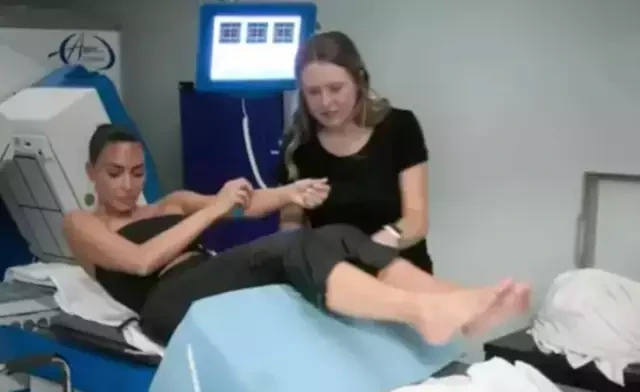
Kim Kardashian’s health scare traces back to a full-body MRI scan known as a Prenuvo scan. During the episode, she explained that doctors noticed a long-standing brain aneurysm, which understandably shook her.
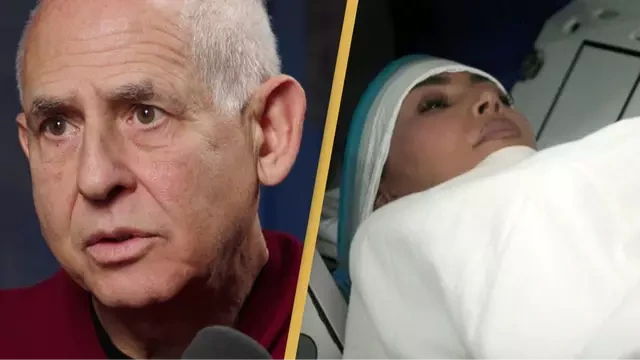
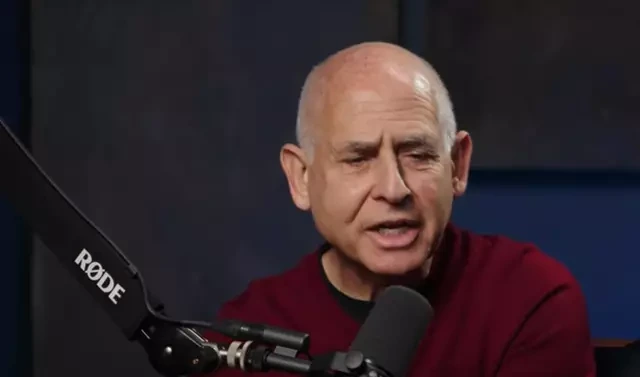
Later, brain-imaging specialist Dr. Daniel Amen—best known for his work with advanced brain scans—discussed her results publicly on The Checkup with Doctor Mike podcast. According to Dr. Amen, Kim showed “sleepy frontal lobes,” meaning reduced activity in the front part of her brain.
The frontal lobes play a key role in:
- Focus and attention
- Judgment and decision-making
- Impulse control
- Stress management
Dr. Amen explained that lower activity in this area can make high-pressure situations—like studying for major exams—more difficult. At the time of the scan, Kim was preparing for the California bar exam as part of her law studies.
Coverage from outlets such as BBC News, The Guardian, and Reuters has emphasized that this is not a diagnosis of intelligence or permanent damage, but rather a functional issue that can often be improved.
From TV Clip to Social Media Phenomenon
Once clips of Kim’s scan aired, the story spread rapidly across TikTok, Instagram, and X, evolving into a full social media phenomenon. Short videos focused on phrases like “low brain activity,” often without medical context, which fueled confusion and debate.
This pattern is familiar in digital entertainment: complex medical explanations are reduced to soundbites that travel faster than nuance. Fans debated whether brain scans should be normalized, while critics questioned celebrity-driven health narratives.
Similar celebrity wellness discussions have been explored in our Entertainment category, where star-driven trends often influence public behavior more than expert advice.
Despite the noise, many viewers appreciated Kim’s openness, noting that public figures sharing health struggles can reduce stigma around mental and neurological well-being.
Why Celebrity Health Stories Resonate
This moment says a lot about current lifestyle trends. More people are investing in preventative health scans, supplements, and wellness technologies—often inspired by celebrities.
Dr. Amen mentioned that other members of the Kardashian-Jenner family have also sought his expertise, including Kendall Jenner for post-COVID anxiety and Khloé Kardashian following a traumatic brain injury. According to him, they all benefited from targeted interventions.
From a culture commentary standpoint, the fascination lies in control. In an era where productivity, optimization, and self-improvement dominate online discourse, the idea that brain function can be measured—and improved—feels empowering.
At the same time, experts caution against oversimplifying brain health. As discussed in several viral stories covered in our Social Viral section, wellness trends can quickly cross into misinformation if context is lost.
Technology Insights Behind Modern Brain Scans
How Brain Imaging Is Changing the Conversation
The technology behind Kim’s diagnosis is central to why this story resonates. Advanced imaging tools now allow doctors to visualize blood flow and activity patterns in the brain, offering insights that weren’t possible decades ago.
Dr. Amen explained that low activity in frontal regions can’t be detected through conversation alone—it requires imaging. He also stressed that such findings are often reversible.
According to the doctor, potential interventions may include:
- Prescription medication (when appropriate)
- Nutritional supplements
- Neurofeedback training
- Hyperbaric oxygen therapy
- Non-invasive brain stimulation methods like TMS
These technology insights reflect a broader shift in healthcare, where diagnostics are becoming more personalized and data-driven. However, major medical organizations continue to debate how widely such scans should be used, a discussion frequently covered by Reuters and other science-focused outlets.
For readers interested in how emerging tech shapes daily life, our Technology category regularly explores similar breakthroughs.
What the Doctor Wanted People to Know
One important detail often missed online: Dr. Amen reassured Kim that her brain was otherwise “beautiful.” He also stated that her scan showed no high risk for Alzheimer’s disease, and no signs of severe stress, anxiety, or depression.
The “holes” seen in the scan represented areas of low activity—not physical damage. With proper support, these patterns can often improve over time.
This clarification is crucial, especially in internet culture, where dramatic headlines can overshadow medical reality. As experts interviewed by The Guardian have noted, brain imaging should be interpreted carefully and always within a broader clinical context.
Conclusion: Why This Story Matters Beyond Celebrity
Kim Kardashian’s brain scan story may have started as celebrity trending news, but its impact reaches further. It reflects growing public curiosity about brain health, the influence of social media phenomenon moments, and how technology is reshaping wellness conversations.
Ultimately, the takeaway isn’t fear—it’s awareness. The story invites discussion about stress, focus, and mental health in high-pressure lifestyles, while reminding audiences that medical information should be handled with care.
Featured Image Credit: Doctor Mike via YouTube/Hulu
Disclaimer:
This article is for informational and entertainment purposes only. The content reflects publicly available information and does not constitute professional or legal advice.