by
by A doctor has issued a warning after insects around the world are reported to be disappearing at alarming rates.
The quiet may seem harmless at first. Fewer buzzing insects on summer nights. Fewer butterflies in gardens. But according to one doctor, that silence could be an early warning sign for humanity.
Dr. Joseph Varon, a physician based in Houston, has raised concerns that insects across the globe are disappearing at a rapid pace. He says the trend is not just noticeable — it is deeply troubling, with potential consequences that extend far beyond the natural world.
A Warning Framed Through Medicine
Dr. Varon recently shared his concerns in an opinion piece, drawing a comparison between ecological silence and warning signs commonly seen in medicine.
In healthcare settings, silence is not always reassuring. A sudden lack of response from a patient or monitoring system can indicate that something has gone wrong. Dr. Varon believes the same principle applies to nature.
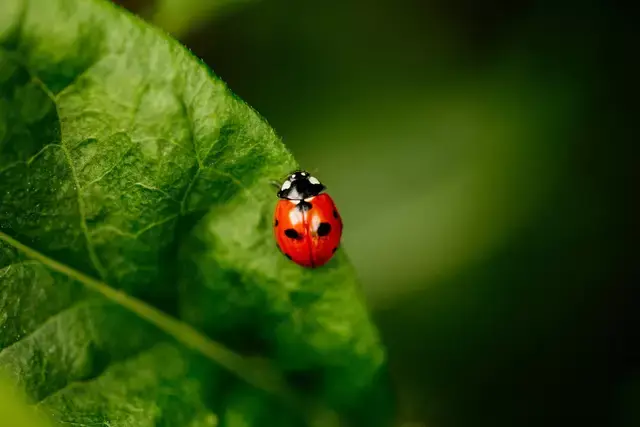
He argues that the growing absence of insects should not be seen as a return to calm, but rather as a sign of systemic stress.
Insects Disappearing on a Global Scale
According to Dr. Varon, insects are vanishing across wide regions of the world. He points to declines in beetles, butterflies, moths, flies, mosquitoes, and bees, saying the trend is widespread rather than isolated.
Scientists studying insect populations have reported similar patterns in multiple countries. These declines have been observed in forests, farmland, and even protected environments, suggesting the issue is not limited to a single ecosystem or climate zone.
Experts say potential causes include habitat loss, pesticide exposure, pollution, and climate change. However, no single factor fully explains the scale or speed of the decline.
Why Insects Matter to Everyday Life
While insects are often viewed as pests, they play a central role in maintaining ecosystems. Many crops depend on insects for pollination, while others rely on them to recycle nutrients and support soil health.
If insect populations continue to fall, experts warn that food systems could be affected first. Fruits, vegetables, nuts, and legumes may become harder to grow in large quantities, reducing both availability and variety.
That loss of variety matters, researchers say, because it affects the overall quality of food supplies, not just the amount produced.
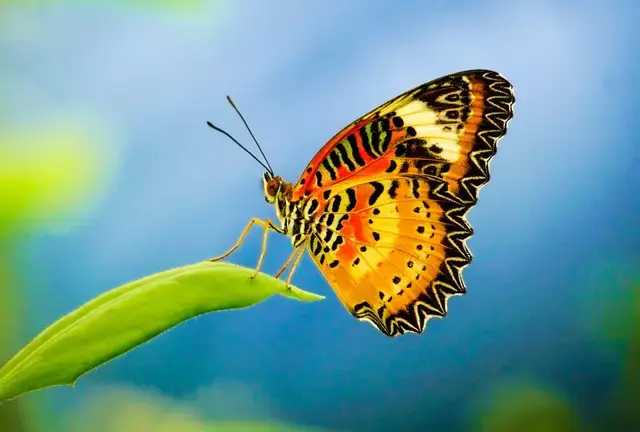
Possible Impacts on Human Health
Beyond agriculture, scientists have raised concerns about how insect loss could indirectly affect human health. A reduced variety of foods may limit access to essential nutrients over time.
Some researchers also suggest that changing insect populations could influence pollen levels and environmental balance, potentially affecting respiratory health and immune resilience in certain groups. These connections are still being studied, but experts agree the relationship between environmental change and human health is significant.
A Timeline That Raises Concern
Several studies have suggested that insect populations are declining faster than previously expected. Some estimates indicate that up to a quarter of insect species worldwide could be at risk of extinction within the next decade.
Dr. Varon warns that if that trajectory continues, natural systems may lose their ability to recover from disruptions. Food production could become increasingly dependent on industrial solutions rather than natural processes.
A Call for Awareness, Not Panic
Dr. Varon has emphasized that his warning is not meant to cause fear, but awareness. He believes environmental conditions should be considered alongside traditional public health concerns.
In his view, the growing silence in nature should be taken seriously. It may be one of the clearest signals yet that the systems supporting life on Earth are under pressure — and that early action could make a difference.
Experts cite habitat loss, pesticide use, pollution, and climate change as likely contributors.Research suggests it is a global trend, though severity varies by region.Many crops rely on insects for pollination, so declining populations may reduce yields and variety.Scientists say conservation efforts and environmental protections may still help slow or reverse some losses.
Featured Image Credit: Universal Images Group via Getty Images