 by
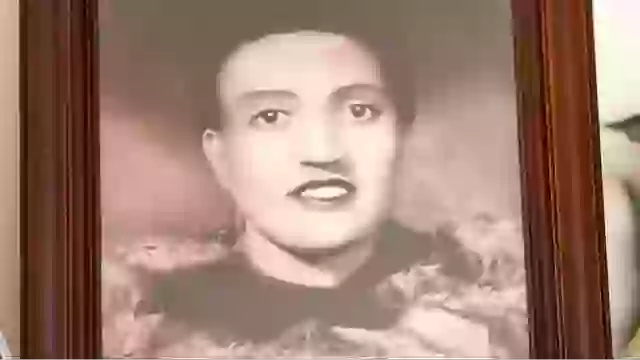
by In 1951, a 31-year-old African-American mother of five named Henrietta Lacks walked into Johns Hopkins Hospital in Baltimore seeking treatment for severe vaginal bleeding. Doctors discovered a large, malignant tumor on her cervix and began treating her with radium—the most advanced therapy for cervical cancer at the time (source).
What Henrietta didn’t know was that during one of her treatments, doctors took a small sample of her cancer cells without asking for her permission. This single act would alter the course of medical history.
The Birth of HeLa Cells
Most cells die quickly once removed from the human body, but Henrietta’s didn’t. Instead, her cells doubled every 20 to 24 hours, something scientists had never seen before. Dr. George Gey, a cancer researcher at Johns Hopkins, realized their potential and named them HeLa cells (short for Henrietta Lacks).
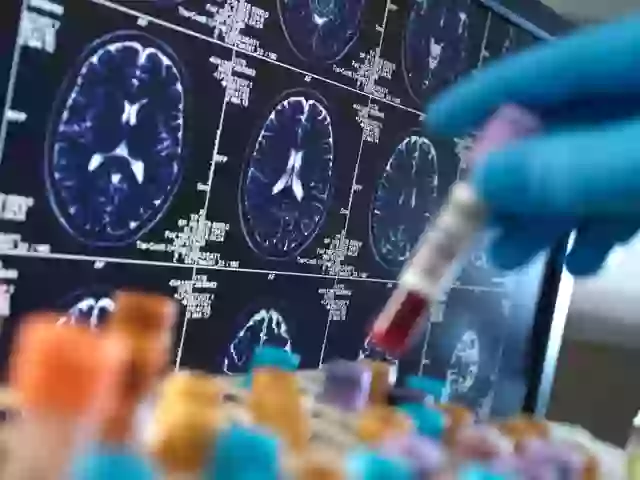
Henrietta Lacks’ cells were unique (Andrew Brookes / Getty)
These cells became the first immortal human cell line, allowing scientists to study diseases, test drugs, and develop treatments—without experimenting on humans (NIH reference).
Medical Breakthroughs Powered by HeLa
HeLa cells have been used to:
- Develop the polio vaccine
- Advance HIV and cancer research
- Improve treatments for infertility and test the effects of radiation and toxins
In short, HeLa cells have touched nearly every corner of modern medicine.
A Legacy of Injustice and Recognition
Henrietta never knew about her contribution, and her family didn’t find out until decades later. They have since fought for justice and recognition. In 2023, her family reached a settlement with a biotech company that had profited from her cells (BBC report).
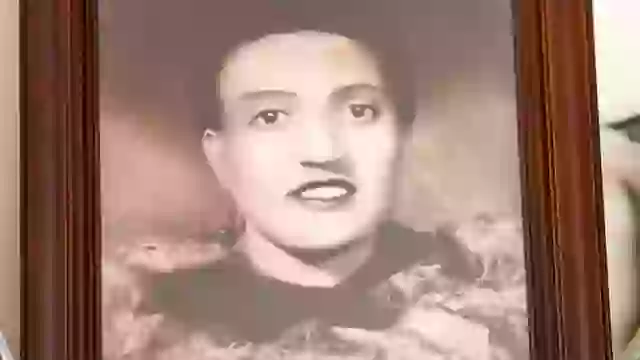
She never knew her cells were taken for testing (Jonathan Newton/The Washington Post via Getty Images)
The World Health Organization honored her in 2021, calling her exploitation “wrong” and acknowledging how her story reflects the long history of medical racism (WHO statement). Johns Hopkins has since dedicated the Henrietta Lacks Building on its East Baltimore campus to her memory.
Why Her Story Matters Today
Henrietta’s cells changed the world, but her story is also a powerful reminder of the importance of medical ethics, consent, and equity in healthcare. Her life may have been cut short, but her legacy continues to save millions of others.