 by
by China is facing a new challenge: Chikungunya virus, a mosquito-borne illness that’s spread to over 7,000 people across 13 cities in Guangdong. Unlike COVID-19, this virus doesn’t spread from person to person—but it’s still a serious health concern.
So, what exactly is Chikungunya, and how is China fighting back? Let’s break it down in a way that actually makes sense (and is a little fun to read).
What Is Chikungunya and How Does It Spread?
Chikungunya is transmitted through the bite of an infected mosquito—mainly Aedes aegypti and Aedes albopictus. According to the CDC, the virus has popped up before in Africa, Asia, Europe, and the Americas, but this outbreak has hit China hard.
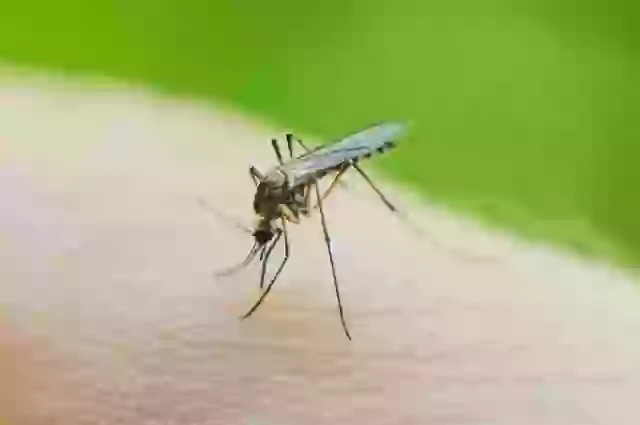
The Chikungunya virus is contracted after being bitten by an infected mosquito (Getty Stock Image)
The good news? You can’t catch it by shaking hands or being near someone who’s sick. Only those pesky mosquitoes can deliver the virus.
Symptoms to Watch Out For
Three to seven days after a bite, most people start feeling it. Common symptoms include:
- High fever
- Severe joint pain (sometimes lasting months)
- Headaches, muscle aches, rashes, and joint swelling
While death is rare, certain groups—like newborns, older adults, and people with conditions like diabetes or heart disease—are more vulnerable.
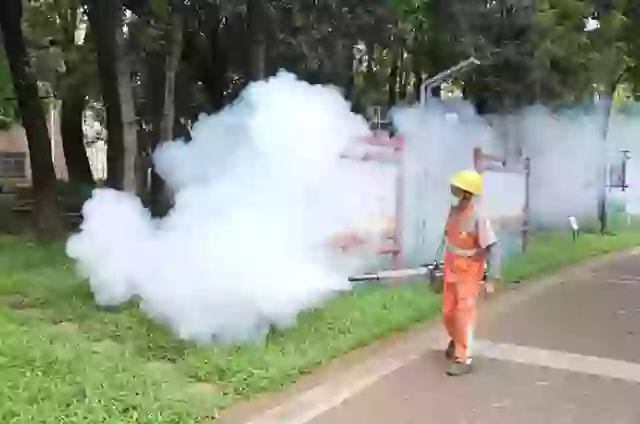
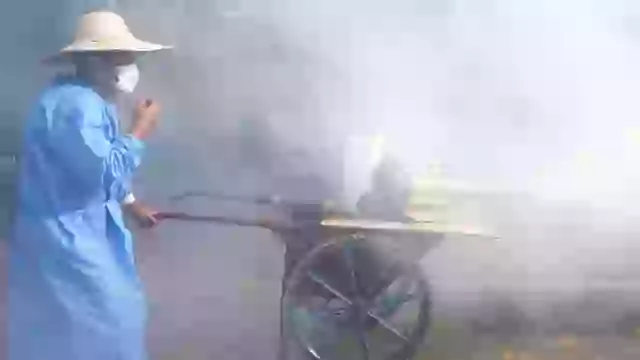
China has taken steps to kill mosquitoes in order to stop the spread of the virus (VCG/VCG via Getty Images)
For more details, check the World Health Organization’s guide.
How Is China Fighting the Virus?
China has gone all-in with mosquito warfare:
- Clean-up orders: Residents must eliminate standing water in flowerpots, bottles, and even coffee machines—or face fines up to 10,000 yuan ($1,400).
- Genetically modified “elephant mosquitoes”: These giant mosquitoes don’t bite humans but help wipe out the virus-spreading ones.
- Mosquito-eating fish: Around 5,000 fish have been released into lakes in Foshan.
- Insecticide spraying: Sanitation workers are hitting hotspots to keep mosquito numbers low.
How You Can Stay Safe
Even if you’re not in China, these tips help everywhere:
- Use insect repellent
- Wear long sleeves in mosquito-prone areas
- Keep your surroundings dry and clean
China’s quick response shows one thing: mosquito control is everyone’s responsibility. With creative methods and global awareness, Chikungunya doesn’t stand a chance.
For more updates on mosquito-borne diseases, visit CDC and WHO.