 by
by When you hear about thousands of new cases of a virus, it’s hard not to flash back to 2020 and the chaos of the Covid-19 pandemic. Now, China has reported over 7,000 cases of chikungunya in just a few weeks, and it’s got people wondering—are we in for round two?
Let’s break it down.
What Is Chikungunya?
Chikungunya is a viral disease spread by infected mosquitoes, mainly the Aedes aegypti and Aedes albopictus species. Symptoms usually include:
- High fever
- Severe joint pain (sometimes lasting for months)
- Headache and rash
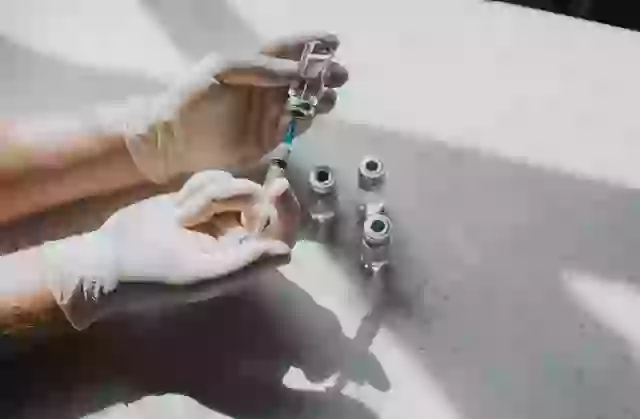
Vaccines do exist for the chikungunya virus (Getty Stock Photo)
Unlike Covid-19, you can’t catch it from person-to-person contact. You’d need to be bitten by a mosquito carrying the virus. This is why outbreaks typically happen in areas where these mosquitoes live—warm, humid places with plenty of standing water.
👉 Learn more from the World Health Organization.
Why Are Cases Rising in China?
According to Alex Kaye, a disease modeling researcher at Warwick University, the spike is likely due to warmer weather, heavy rainfall, and flooding in China. All of this creates a perfect breeding ground for mosquitoes—think water pooling in streets, gardens, and even discarded containers.
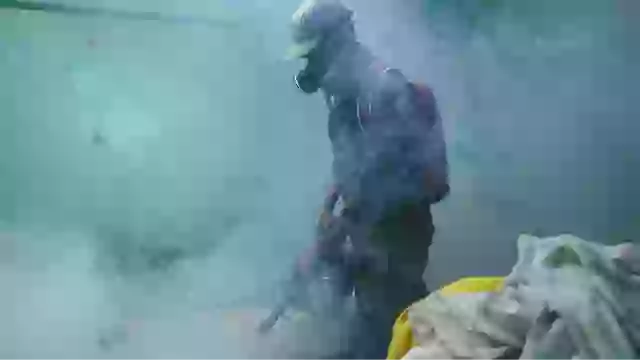
The Chinese government has even brought back some Covid-era measures—like mass testing and community disinfection—to curb the outbreak, as reported by Bloomberg.
Could Chikungunya Cause a Pandemic?
Short answer: Highly unlikely.
Kaye explains that chikungunya is “geographically constrained” because it relies on specific mosquito species to spread. If the mosquitoes can’t survive in a region (too cold, too dry), the virus won’t spread there.
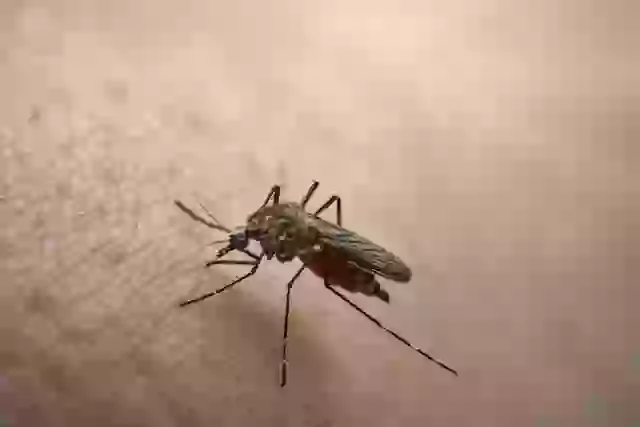
Chikungunya is transmitted from mosquitoes (Getty Stock Photo)
That said, climate change is gradually expanding the mosquitoes’ range. There have already been:
- A rare outbreak in Italy’s Lazio region in 2017 (~400 cases)
- Sporadic locally-acquired cases in the USA
But outside of tropical and subtropical zones, outbreaks are usually small—just a handful of cases at most.
The Bottom Line
Chikungunya is serious for those who get it, but it’s not poised to sweep across the globe like Covid-19. Still, as climates warm and mosquitoes expand their turf, we might see more localized outbreaks in unexpected places.
How to protect yourself:
- Avoid areas with heavy mosquito activity during peak hours (dawn and dusk)
- Wear long sleeves and pants in mosquito-prone areas
- Use insect repellent with DEET or picaridin
- Eliminate standing water around your home
While China’s outbreak is making headlines, experts say it’s not time to panic—just time to stay informed and protect against bites.