 by
by For most people, a cup of matcha is seen as a health booster – full of antioxidants, calming amino acids, and anti-inflammatory properties. But for one 28-year-old woman, her weekly matcha routine had some surprising side effects.
Lynn Shazeen started drinking matcha around six months ago after her doctor suggested she add more anti-inflammatory foods and drinks to her diet. Like many of us, she thought swapping in some green tea powder for her usual drinks would be a simple way to improve her health.

Lynn Shazeen started feeling unwell after drinking regularly drinking matcha (SWNS)
“I had been dealing with inflammation, so I wanted something natural that could help,” Lynn explained. “Matcha is well-known for its health benefits, so I decided to try one once a week.”
But after just a few months, Lynn noticed her body wasn’t feeling quite right.
Strange Symptoms Begin to Show
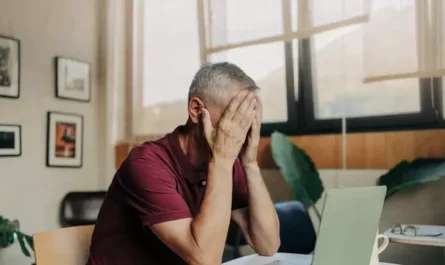
At first, it was little things: feeling colder than usual, low energy, and the occasional heart palpitation. She brushed it off until the fatigue became too much to ignore.
After visiting the hospital, blood tests revealed something shocking: her iron levels had dropped almost in half – from 23 to 13. Doctors quickly put her on an IV drip and prescribed iron supplements to bring her levels back up.
“I’ve struggled with anemia before,” Lynn admitted. “But this time, the only real change I’d made was adding matcha to my diet. Once we ruled everything else out, it became clear matcha was the cause.”
Why Matcha Can Lower Iron Levels
While matcha is packed with antioxidants, it also contains catechins – compounds that can interfere with iron absorption from food. According to the National Institutes of Health, this effect is especially concerning for people who already have low iron or conditions like anemia.
In Lynn’s case, drinking matcha regularly made it even harder for her body to hold onto the iron she needed.
Life After Matcha
After her hospital visit, Lynn decided to give up her matcha routine. “I’ve switched back to regular tea, and I take iron pills with vitamin C to help my body absorb it better,” she shared.

The 28-year-old ended up being hospitalized (SWNS)
She also urges others with a history of low iron to be cautious. “Matcha is healthy for many people, but if you’re prone to anemia, it’s worth being mindful.”
The Takeaway
Matcha can be an amazing health drink – rich in antioxidants, linked to brain health, and even good for your metabolism (Harvard T.H. Chan School of Public Health). But like anything, it isn’t one-size-fits-all.
If you have anemia or low iron, you may want to enjoy it in moderation or talk to your doctor before making it part of your weekly routine.
Because sometimes, even a trendy health habit can have an unexpected twist.