 by
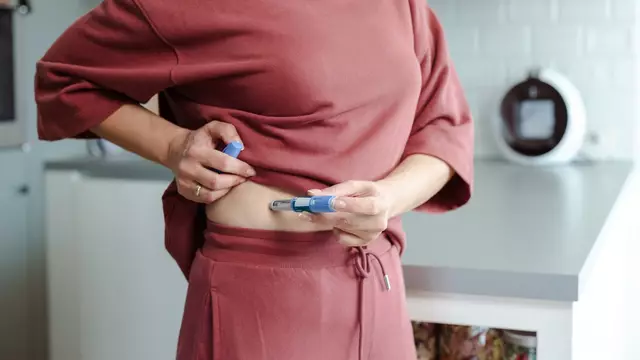
by Ozempic, the injectable drug originally approved in 2017 to treat type 2 diabetes, has quickly become one of the most talked-about medications in the world. While it was designed to regulate blood sugar and boost insulin production, the drug has surged in popularity because of one major “side effect” — weight loss.
Now, many users are opening up about how Ozempic (semaglutide) isn’t just changing their eating habits — it’s also changing their relationship with alcohol.
“Tequila Tastes Like Battery Acid”
One Ozempic user recently took to Reddit’s Ozempic community to share a surprising discovery: tequila no longer tastes the same.
“Nobody warned me Ozempic would make tequila taste like battery acid,” they wrote after a night out with friends. “RIP to my party girl era. I’m officially retired.”

Ozempic users say their attitudes to alcohol are changing (Master1305/Getty Images)
The comment struck a chord. Some fellow users agreed, saying they too have noticed alcohol tastes harsher or less appealing since starting the medication. One even said:
“I actually like it. I can’t eat junk, can’t drink, and I have to stay on track with food and exercise. I’m down 106 pounds, so I’m not complaining.”
Others chimed in to say they’ve lost all desire to drink, while a few swapped tequila for alternatives like vodka, bourbon, or even mocktails.
Not everyone reported the same side effect, though. Some insisted they noticed no changes at all, joking that “tequila has always tasted like battery acid.”
Why Does Ozempic Affect Alcohol Cravings?
Scientists say there might be more to this than just taste buds. Research led by Elisabet Jerlhag at the University of Gothenburg found that GLP-1 drugs (like Ozempic, Wegovy, and Mounjaro) reduced alcohol relapses in lab animals by more than 50%.
According to Dr. Lorenzo Leggio, clinical director at the National Institute of Drug Abuse, this happens because GLP-1 medications also work in the brain.
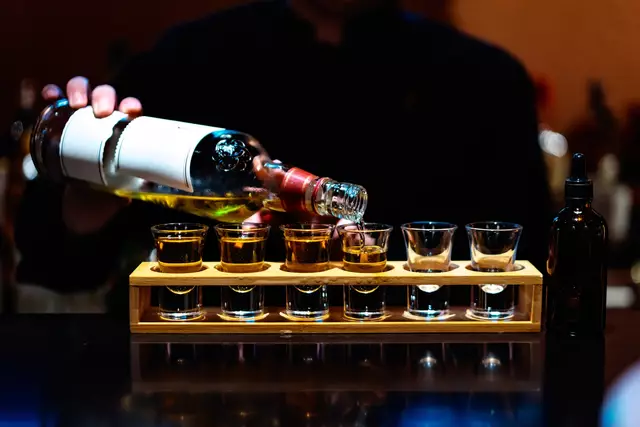
The Ozempic user said they could no longer stand tequila (Anciens Huang/Getty Images)
“The mechanism in the brain that regulates overeating overlaps with those responsible for the development and maintenance of addiction, including alcohol use disorder,” he explained.
In other words, Ozempic may dampen the brain’s “reward system” — which could explain why both alcohol and certain foods suddenly feel less appealing.
The Bigger Picture
It’s not all margaritas and mocktails. Side effects of Ozempic and similar drugs can range from mild stomach upsets to more noticeable changes in appetite and cravings. That’s why it’s important to only use these medications under medical supervision.
Novo Nordisk, the maker of Ozempic and Wegovy, emphasizes that patient safety comes first. If you think you’re experiencing side effects, you should report them through the official MHRA Yellow Card Scheme.
Final Thoughts
Ozempic is doing more than shrinking waistlines — it’s reshaping lifestyles, from food cravings to Friday night cocktails. For some, that means saying goodbye to their “party girl era.” For others, it’s a welcome break from unhealthy habits.
Whether it’s tequila, junk food, or compulsive behaviors, this new generation of GLP-1 weight loss medications is changing the way people live, far beyond what they expected.