 by
by A similar concept is explored in our article Pseudothanatos: When We Think Someone’s Dead But They Aren’t — a phenomenon that might have tragically mirrored Alexander’s final hours.
If true, the young conqueror may have been alive when embalmers began their work, his body deceptively still and cool as his vital signs slipped beyond ancient detection methods.
The Evidence Behind the Theory
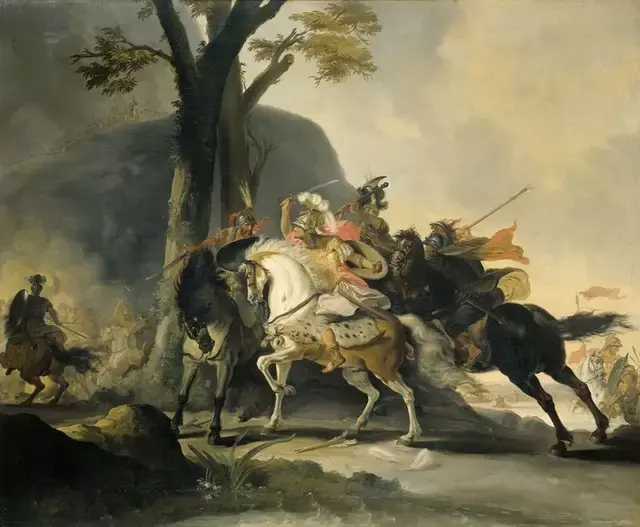
Ancient accounts describe how Alexander fell ill after days of intense drinking — reportedly challenged to down an enormous krater of wine in honor of Heracles. Soon after, he developed fever, pain, and progressive paralysis. Despite his weakening state, reports say he remained conscious until the end, even greeting his soldiers with his eyes when he could no longer speak.
Dr. Hall’s findings connect these symptoms directly to Guillain-Barré syndrome, which can cause respiratory failure and extreme muscle paralysis while keeping cognitive function intact. The absence of decomposition for days after his reported death, she explains, fits the biological slowdown associated with GBS.
This level of interdisciplinary analysis between ancient records and medical research is similar to what we explored in Historical Myths and Modern Medicine — showing how modern science often helps decode age-old mysteries.
Other researchers have proposed different causes: typhoid, malaria, poisoning by white hellebore, or even excessive alcohol consumption. However, none explain the delayed decay as convincingly as the GBS hypothesis, which brings together neurology, physiology, and ancient observation into a single coherent framework.
Why His Body Stayed “Fresh”
The belief that Alexander’s body remained uncorrupted is also tied to ancient embalming rituals, a topic explored in our feature Death in the Ancient World: Rituals & Beliefs. The Macedonians and Babylonians used early preservation methods that might have slowed visible decay. Combined with a body already paralyzed and metabolically inactive, this would have made him appear miraculously preserved.
External research supports this. Studies like those from Phys.org and Britannica explain how such rare cases of delayed decomposition can mislead witnesses, especially without modern medical tools.
The Enduring Power of Myth
Even in death, Alexander’s legend grew. The Greeks saw his preserved body as proof of divine favor, while later empires used his story to justify conquest and rulership. As explored in Ancient Leaders & Sudden Deaths, rulers who died young often became mythic symbols of immortality — their untimely ends transformed into divine narratives.
Today, the new GBS theory gives a more human dimension to that myth. Rather than a supernatural event, Alexander’s “immortality” may represent one of history’s most tragic medical misunderstandings. His life and death reveal how limited ancient medicine was — and how myth often fills the space that science has yet to explain.
The Mystery Lives On
No one can say with certainty how Alexander died. His tomb has never been conclusively found, and ancient sources often conflict. Yet, as shown by modern scholars and trusted outlets like GreekReporter and History.com, the Guillain-Barré hypothesis remains one of the most persuasive scientific explanations to date.
If confirmed, it would turn a 2,300-year-old myth into a powerful reminder of the thin line between life and death — and how legends can be born from medical mystery.
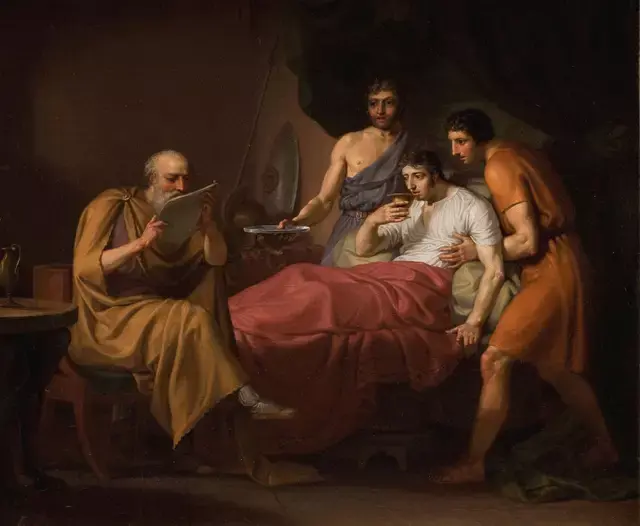
His death remains one of history’s great mysteries (Heritage Art/Heritage Images via Getty Images)