 by
by One of those “didn’t see that coming” moments on Reddit recently? Learning that the average adult American man (aged 20+) weighs just under 200 pounds—right around 199 lb. That’s according to the CDC’s FastStats data. CDC
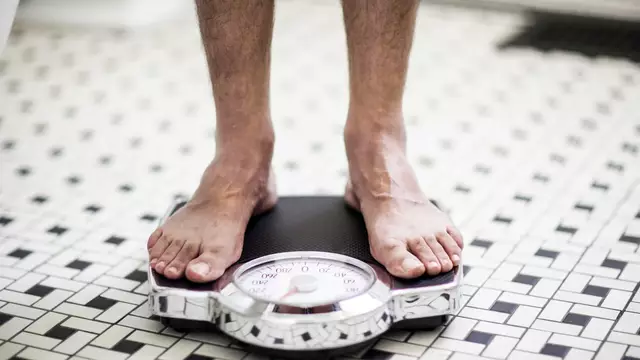
Redditors were shocked to discover the state of America’s waistline (Getty stock)
Comments ranged from “Well, hey—I’m lighter than average” to “How did we all get here?” It’s especially eyebrow-raising when you realize that 50 years ago, men weighed far less: back in the early 1960s, the average was about 166 lb. CDC+1
So yes—today’s average man carries nearly 33 extra pounds compared to his predecessor. That’s about the weight of a microwave. Mind-bending, right?
Breaking Down the Numbers
- Height & Weight: Today’s average male height in the U.S. is about 5′ 7″ (67–69 inches), and weight sits near 199 lb. CDC
- Then vs. Now: In circa 1960, average male weight was ~166 lb. CDC+2CDC+2
- Women’s Stats: For females aged 20+, the average weight is ~171.8 lb, with average height ~63.5 inches (5′ 3½″). CDC
- Trends in Obesity: As of 2017–2020, about 41.9% of U.S. adults have obesity, and 9.2% have severe obesity. CDC
Why This Matters (Beyond Curiosity)
“Average” doesn’t mean “ideal.” Weight is just one piece of the puzzle. What really counts is body composition, where that weight is distributed (fat vs. muscle), genetics, age, and lifestyle.

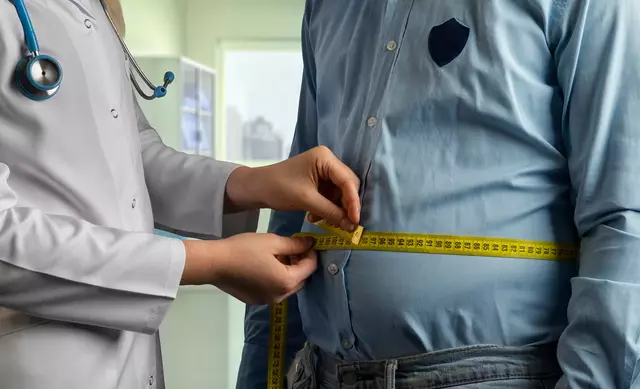
The average American aged 20 and over weighs a 199 pounds, with the average height being 5’7″ (Getty stock)
If a guy is 5′ 7″ and weighs 199 lb, his BMI would land him on the cusp of “overweight” or even “obesity” depending on minor rounding—but that doesn’t automatically mean he’s unhealthy.
Also important:
- BMI’s limits — It doesn’t distinguish muscle from fat.
- Trends tell a story — More calories, more sedentary lifestyles, more processed foods are all players in this upward trend.
- More risk factors — Higher weight correlates with greater likelihood of heart disease, diabetes, hypertension, arthritis, and so on. CDC+2CDC+2
What You Can Do (Yes, You)
- Know your body—not the average. Use BMI as one tool, not the whole picture.
- Move a little more, eat a bit cleaner. Small habits add up over time.
- Measure progress in health changes—not just pounds. Strength, stamina, blood markers matter.
- Check trustworthy sources. The CDC is solid for national health stats like these. CDC+2CDC+2
- Talk to a pro. If you’re worried or curious about your own weight, a doctor or nutritionist can help customize plans.