
 by
by When 36-year-old marathon runner Lindsay Barad started feeling pelvic pain, she assumed it was something simple—maybe heavy periods or post-race fatigue. But what she discovered changed her life: stage 4 appendix cancer.
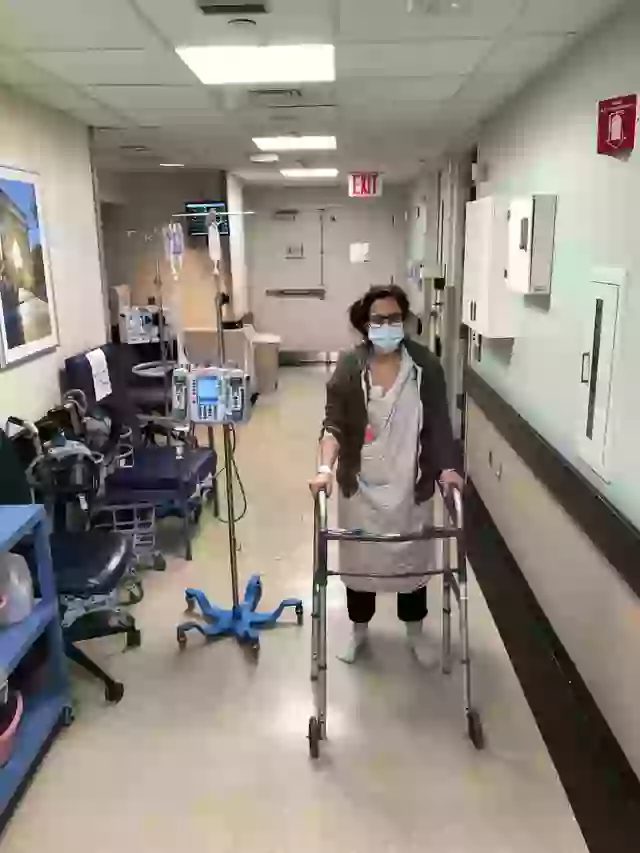
Lindsay Barad underwent major surgery in 2023 (Lindsay Barad)
Appendix cancer affects only 1–2 people per million each year, according to Johns Hopkins Medicine. Yet Lindsay believes it’s far more common than most people think, largely because it’s so easy to misdiagnose.
A Misdiagnosis That Nearly Hid the Truth
Doctors initially brushed off her symptoms. But after an ultrasound revealed a large cyst pressing against her bladder, surgery uncovered the truth: she had Low-Grade Appendiceal Mucinous Neoplasm (LAMN) that had ruptured, spreading mucin throughout her abdomen.
In March 2023, Lindsay underwent an eight-hour surgery that removed the cancer while preserving her uterus and avoiding a stoma bag. “It was life-changing,” she says, though the procedure also triggered early menopause.
Why Appendix Cancer Often Goes Undetected
Early symptoms—like bloating, abdominal pain, nausea, and even a strange fluid buildup called ‘jelly belly’—often mimic gynecological issues. According to the American Cancer Society, this leads to many cases being found only at advanced stages.
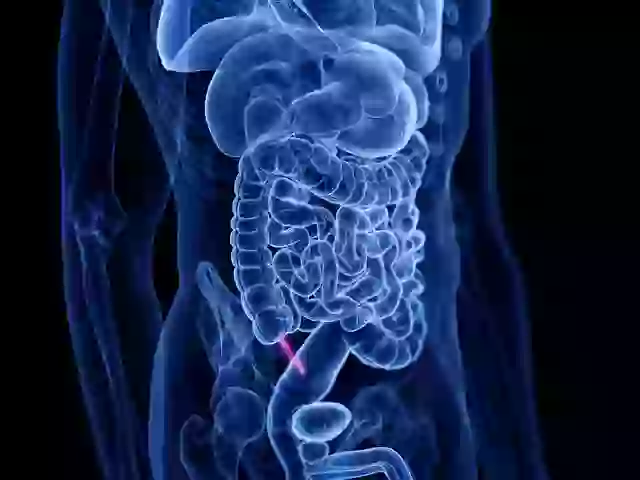
The appendix is located in the lower right of the abdomen, near the hip bone (Sebastian Kaulitzki/Science Photo Library/Getty Images)
And here’s a shocker: even people who’ve had their appendix removed aren’t immune. Cancer can grow in the tiny “stump” left behind after an appendectomy, sometimes appearing decades later.
Lindsay’s Message: Be Your Own Advocate
“I no longer believe all ‘rare’ cancers are truly rare,” Lindsay explains. “They’re often just overlooked or misdiagnosed.”
Her advice?
- Trust your instincts if something feels off.
- Seek second or even third opinions.
- Don’t assume you’re “safe” just because you’ve had an appendectomy.

Lindsay has shown ‘no evidence of disease’ since her surgery in 2023 (Lindsay Barad)
For more guidance, check out resources like Macmillan Cancer Support or Cancer Research UK.
The Bigger Picture
Today, Lindsay is showing no evidence of disease, but she’s determined to raise awareness. Her story highlights a critical takeaway: early detection saves lives.
If you’re experiencing persistent abdominal discomfort or unexplained bloating, talk to your doctor. Appendix cancer may be called “rare,” but as Lindsay’s journey shows, it’s not impossible—and it’s worth paying attention to.