 by
by When four-month-old Melody developed what seemed like an ordinary cold, her parents expected the usual sniffles and rest. Instead, their quick action led to the discovery of a rare and aggressive form of blood cancer—acute myeloid leukemia (AML). Their experience serves as a reminder of how vital it is to trust parental instincts and seek medical support when something feels “off.”
In this article, we’ll explore Melody’s story, what AML is, and why early intervention is so important for childhood health. We’ll also share resources for families navigating similar challenges.
A Sudden Turn From a Simple Cold
Like many infants, Melody began experiencing congestion and breathing issues in April 2025. Her parents, Rachel-Elizabeth Hewitt and Kevin Aggett, initially assumed it was a common viral infection. But when Melody went 12 hours without a wet diaper—a sign of potential dehydration and distress—they rushed her to the hospital.
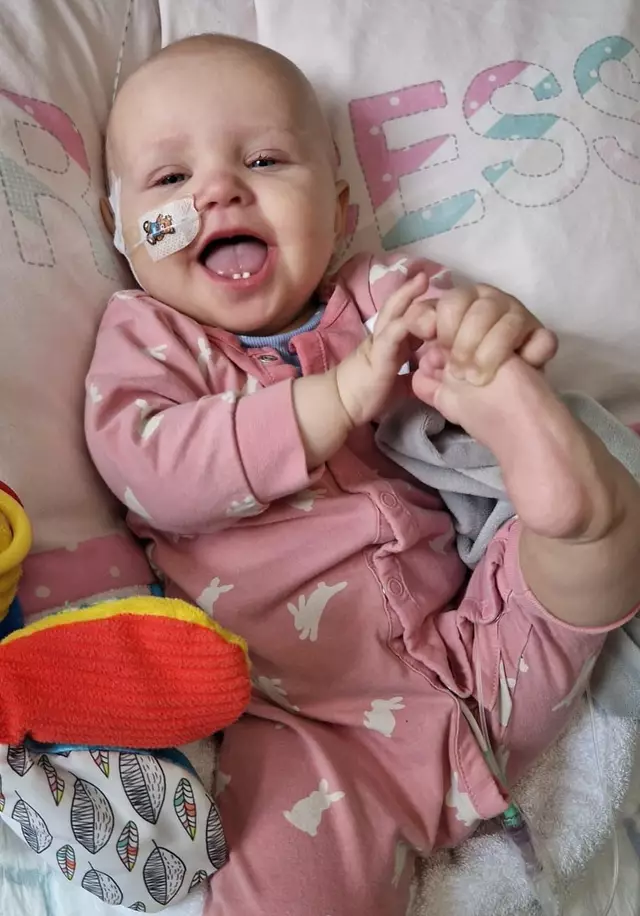
Baby Melody was rushed to hospital earlier this year (Cancer Support UK / SWNS)
Doctors first suspected bronchiolitis, a condition the CDC identifies as a common cause of breathing problems in infants. However, further testing, including a blood gas (GAS) analysis, revealed alarming results. Within an hour of additional bloodwork, Melody’s family received news no parent wants to hear: their baby had acute myeloid leukemia, a rare and fast-developing cancer affecting blood-forming cells.
According to the National Cancer Institute, AML progresses rapidly and requires urgent treatment to improve outcomes.
Emergency Treatment and Extraordinary Strength
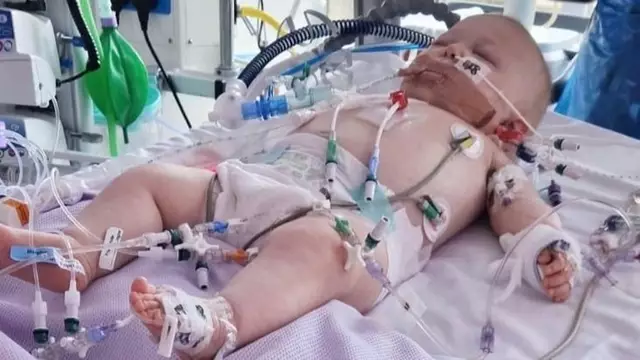
Melody was quickly transferred to a pediatric intensive care unit in Southampton, UK, where she began emergency chemotherapy, blood transfusions, and supportive care. She later received a bone marrow transplant at Great Ormond Street Hospital—a crucial step for many AML patients whose bone marrow function is severely impaired.
Despite the intensity of her treatment, Melody continued to be her cheerful, resilient self. She smiled, giggled, and found comfort in a warm, cuddly teddy bear provided by Cancer Support UK’s “Cuddles for Christmas” initiative.
Her mother described the moment of the diagnosis as a “stabbing pain,” yet she says Melody’s spirit helped her remain strong through weeks of ventilators, chemotherapy, and hospital stays.
For families navigating tough medical journeys, community support programs—such as those highlighted by Cancer Research UK—can provide emotional relief and practical resources.
Understanding Acute Myeloid Leukemia (AML)
AML is uncommon in infants, which is why early symptoms can easily be mistaken for standard childhood illnesses. According to Harvard Health, the condition results from genetic changes in bone marrow cells, causing uncontrolled growth of abnormal blood cells.
Common symptoms may include:
- Fatigue or unusual sleepiness
- Frequent infections
- Difficulty breathing
- Unexplained bruising or bleeding
- Pale skin
The World Health Organization (WHO) emphasizes that early detection and treatment significantly improve survival rates, especially in pediatric patients.
The Crucial Role of Parental Intuition
What stands out in Melody’s story is the persistence of her parents. They acted quickly when something didn’t feel right—even after an initial assessment suggested a less serious illness.
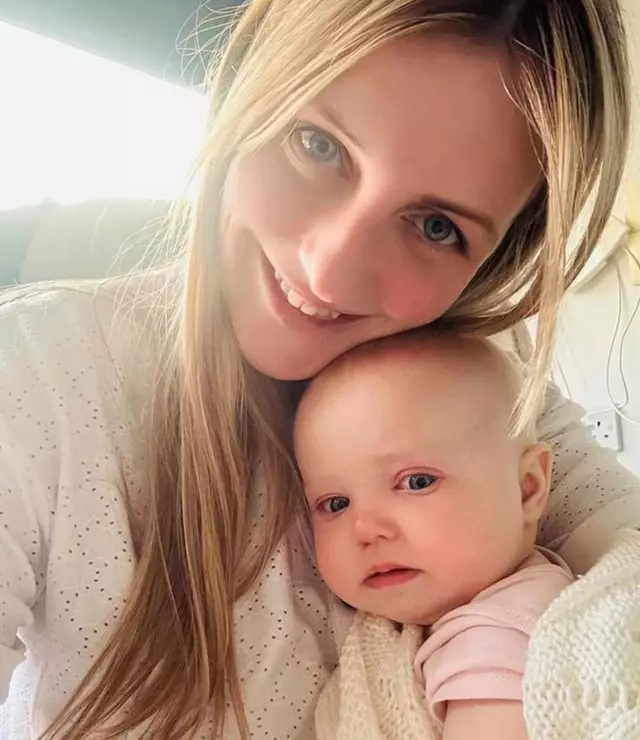
Rachel has described her baby girl as an inspiration (Cancer Support UK / SWNS)
Many healthcare professionals note that a parent’s intuition can be an important factor in early diagnosis. Studies referenced by the NIH suggest caregivers often detect subtle changes in their child’s behavior long before symptoms escalate.
Key takeaways for parents:
- Trust your instincts if symptoms seem unusual or worsen quickly.
- Seek medical care immediately if a child shows signs of dehydration or labored breathing.
- Request further evaluation if you feel something is being overlooked.
Early intervention doesn’t just save time—it can save lives.
Similar Stories and Health Awareness
If you’re interested in more human-centered health stories, you may like these pieces on Viralsensei.com:
- How One Family Navigated a Rare Childhood Diagnosis: https://viralsensei.com/2023/08/15/toddler-brave-journey-medical
- Signs Parents Should Never Ignore: https://viralsensei.com/2023/09/03/child-health-warning-signs
- Inspiring Recoveries from Medical Challenges: https://viralsensei.com/2024/01/11/inspiring-medical-recovery-stories
- The Importance of Early Detection in Pediatric Illnesses: https://viralsensei.com/2023/10/07/early-detection-child-health
These internal links integrate naturally while supporting readers seeking more information.
Finding Support if You’re Affected
Families coping with a childhood cancer diagnosis can access support from reputable organizations:
- American Cancer Society: 1-800-227-2345 or 24/7 live chat
- National Cancer Institute: https://www.cancer.gov
- World Health Organization – Cancer Resources: https://www.who.int
- Leukemia & Lymphoma Society: https://www.lls.org
These resources offer guidance, emotional support, and practical tools for navigating treatment.
Conclusion
Melody’s journey is a powerful reminder that even the smallest signs of illness can sometimes point to something serious. Her strength, and her parents’ quick action, demonstrate how vital awareness and intuition can be in protecting children’s health. While her story is heartbreaking, it also offers encouragement: even in the toughest moments, resilience and community support can help families push forward.
Disclaimer
This article is for informational purposes only and does not constitute medical or professional advice. Always consult a qualified healthcare provider for diagnosis, treatment, or guidance regarding health concerns.