 by
by China is tackling a new health scare as 7,000 cases of Chikungunya virus have been reported across 13 cities in Guangdong Province, with Foshan emerging as the epicenter. The virus, though rarely fatal, can cause painful and debilitating symptoms—and authorities are pulling out some surprising tricks to stop it.
What Exactly is Chikungunya?
Chikungunya is a mosquito-borne virus—you can’t catch it from other people. First identified in Tanzania in 1952, its name means “that which bends up” in the Kimakonde language, referring to the stooped posture caused by severe joint pain.
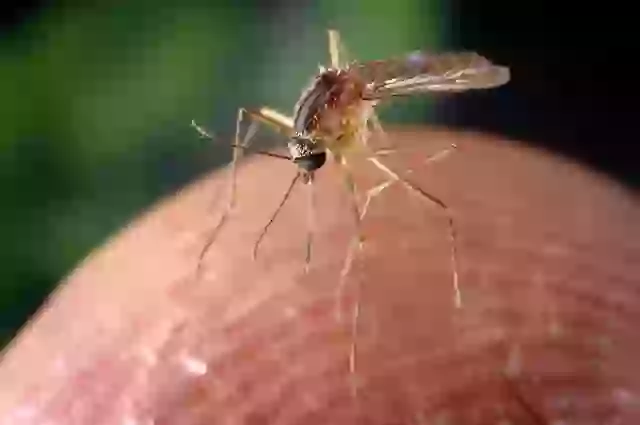
Infected mosquitos are responsible for the outbreak (Smith Collection/Gado/Getty Images)
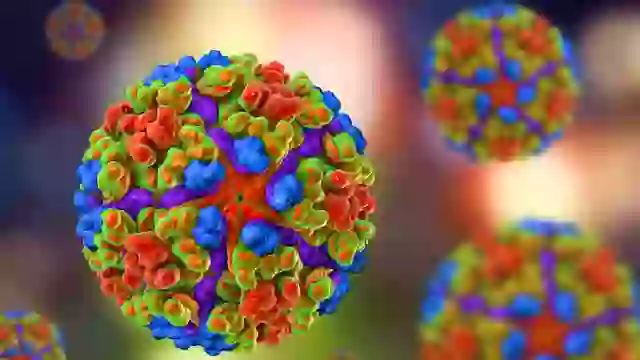
The World Health Organization (WHO) classifies it as an RNA virus from the alphavirus genus. Outbreaks have appeared across Africa, Asia, Europe, and the Americas, making it a truly global concern.
What Are the Symptoms?
The virus feels similar to dengue or Zika, which makes diagnosis tricky. Symptoms usually include:
- Sudden high fever
- Rash
- Muscle aches
- Headaches
- Joint pain and swelling (which can linger for months)

Chikungunya virus isn’t usually fatal (Dalibor Despotovic/Getty Images)
According to the CDC, most people recover within a week, but severe cases can lead to hospitalization, especially for newborns, the elderly, and those with underlying conditions like diabetes or heart disease.
The good news? Fatalities are rare, and Chinese officials say 95% of patients have already been discharged.
How Is China Fighting Back?
To keep mosquitoes in check, authorities are going all out:
- Eliminating stagnant water – Residents must remove mosquito breeding spots like flowerpots and bottles or face fines of up to 10,000 yuan ($1,400).
- Drones on duty – These are being used to spot hidden water pools from above.
- Elephant mosquitoes – Genetically modified “super mosquitoes” that eat virus-carrying ones.
- Mosquito-eating fish – 5,000 of them have been released into lakes around Foshan.
- Insecticide spraying – Sanitation workers are covering city streets.
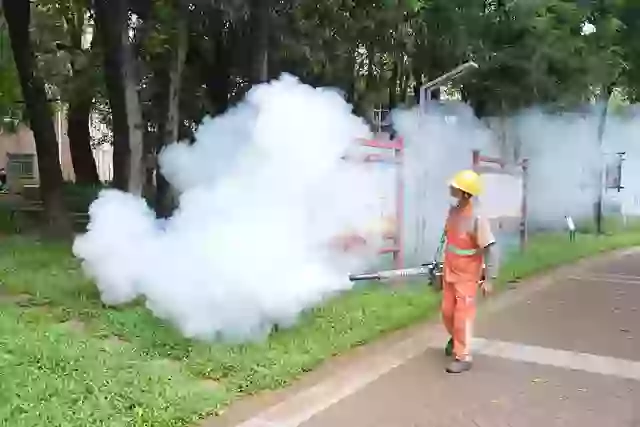
A sanitation worker in Dongguan, Guangdong Province (VCG/VCG via Getty Images)
Travel rules briefly mirrored COVID-style quarantines, but these have now been dropped.
Should Travelers Worry?
The U.S. State Department has advised travelers to be cautious but hasn’t restricted travel. Simple precautions—like using mosquito repellent and avoiding standing water—can drastically reduce your risk.
China’s response shows how far public health strategies have evolved since COVID-19, with a mix of science, technology, and a little creativity. For now, Chikungunya isn’t a global emergency, but it’s a reminder: mosquitoes aren’t just annoying—they can be deadly serious.