 by
by A comprehensive report from 160 scientists reveals we may have already passed Earth’s first climate tipping point—the collapse of coral reefs
Alarm From Science: Earth Has Crossed a Critical Threshold
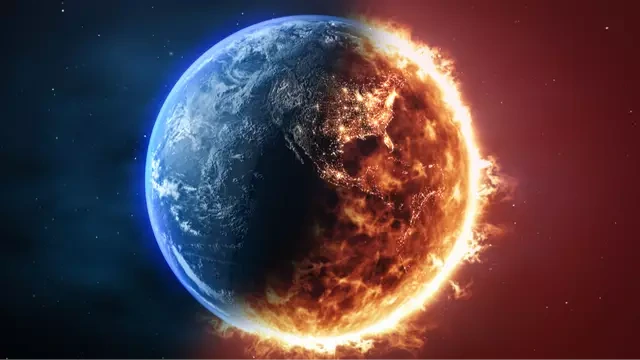
A powerful new study led by 160 scientists worldwide warns that Earth may already have crossed its first major climate tipping point: the near-total collapse of warm-water coral reefs. As global temperatures push ever higher, delicate reef systems are turning into lifeless skeletons—and that may be just the beginning.
Published ahead of COP30 in Brazil, this report delivers a stark message: we are no longer just approaching dangerous thresholds—we may already be past one. The collapse of coral reefs is not merely an ocean problem; its effects will ripple across humanity.
Coral Reefs: The First Domino to Fall
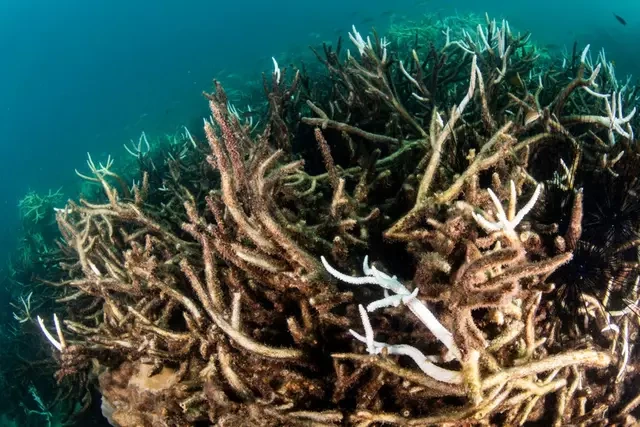
The report identifies warm coral reefs as the first ecosystem to tip into irreversible change. As ocean temperatures surge, reefs that once bubbled with life are now bleaching and dying. In 2023 alone, over 80% of coral reefs were impacted by the worst global bleaching event on record. (ScienceAlert)
Experts warn that reefs in the Caribbean are especially close to collapse due to marine heatwaves, disease, and low species diversity. “We have now pushed [coral reefs] beyond what they can cope with,” says Mike Barrett, Chief Scientific Advisor at WWF UK. Without urgent intervention, “extensive reefs as we know them will be lost.”
The stakes go far beyond underwater beauty. Coral reefs sustain millions of people by providing food, coastal protection, and economic value estimated in the trillions. (Yale E360)
The tipping threshold is estimated to lie around 1.2 °C of warming above pre-industrial levels—a point we may have already passed with the current average warming sitting near 1.4 °C. (The Guardian)
What’s Next: Threats to Amazon, Ice Sheets, and Ocean Currents
Coral collapse is just the opening act. The report warns that multiple climate systems are approaching tipping points too:
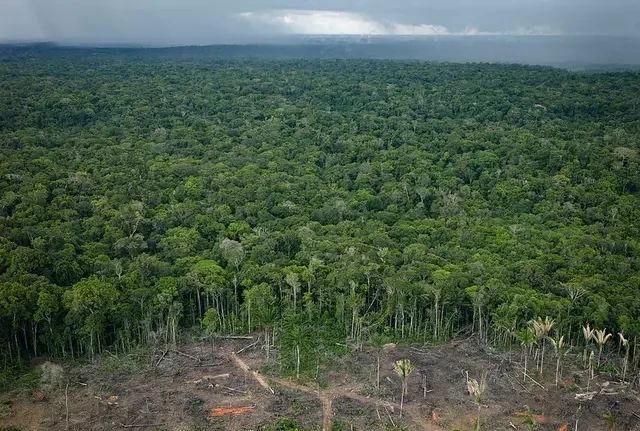
- Amazon Rainforest Breakdown: Deforestation, drought, and warming may push the Amazon toward transformation into a savannah.
- Polar Ice Sheet Instability: Large portions of the Greenland and Antarctic ice are already likely past safe thresholds, locking in future sea level rise.
- AMOC Disruption: The Atlantic Meridional Overturning Circulation (AMOC)—a major network of ocean currents that shapes climate—is at risk of weakening or collapse. Its breakdown could bring deep freezes, extreme heat, or dramatic rainfall shifts across continents.
“There is now a risk that collapse could occur within the lifetime of people born and living on the planet today,” warns Barrett. (The Guardian)
Some climate models even suggest that a full AMOC collapse might occur by mid-century under high-emissions scenarios. (arXiv)
Why This Matters to You
When a system “tips,” its changes become self-reinforcing—meaning reversal becomes extremely difficult, if not impossible. As Tim Lenton states, “We are rapidly approaching multiple Earth system tipping points that could transform our world, with devastating consequences for people and nature.” (stockholmresilience.org)
Dr. Manjana Milkoreit (University of Oslo) says that most climate policies today assume slow, gradual changes—not abrupt, interlinked shifts. (ScienceAlert)
If no decisive actions are taken, Barrett warns we face “a truly catastrophic outcome for all humanity.” (stockholmresilience.org)
Featured Image Credit: Getty Images/DrPixel