 by
by Health officials are raising the alarm over a new tick threat making its way across the United States. The Asian longhorned tick, an invasive species originally from East Asia, has now been detected in Maine, marking its most northeastern spread so far.
This discovery has left experts concerned, as the tick is known to carry dangerous diseases that affect both humans and animals.
Where Did the Tick Come From?
The Asian longhorned tick was first spotted in the U.S. back in 2017 in New Jersey. Since then, it has steadily spread across more than 20 states, especially in the eastern part of the country (CDC).
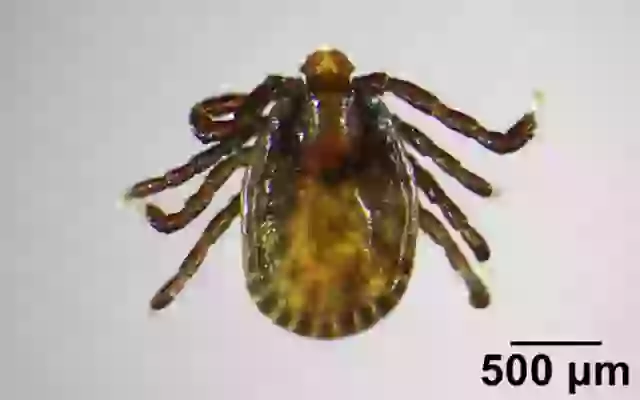
An urgent warning has been issued over the tick (University of Maine)
Scientists aren’t entirely sure how it arrived, but research suggests pets and livestock may have helped bring it over. What’s clear is that the tick is thriving — and climate change is only making the problem worse.
“Climate change will almost eliminate winter in our region. And this tick, like other tick species, will be active year-round,” said Goudarz Molaei, a tick researcher at the Connecticut Agricultural Experiment Station (NBC News).
What Diseases Can This Tick Carry?
While not every tick carries illness, the Asian longhorned tick has been linked to serious health risks, including:
- Severe Fever with Thrombocytopenia Syndrome (SFTS): A dangerous illness that causes high fever, stomach pain, vomiting, diarrhea, kidney issues, and even bleeding problems. In severe cases, it can be fatal.
- Ehrlichiosis: Starts with flu-like symptoms but can quickly turn serious. Around 60% of people who get it require hospitalization, and it can be deadly if untreated.

Ticks are known for spreading serious illnesses (Getty Stock Image)
These illnesses highlight why experts are urging increased tick surveillance and prevention measures.
How to Protect Yourself From Ticks
Whether you’re hiking, gardening, or just walking your dog, it’s important to stay vigilant. The CDC recommends:
- Avoid tall grass, brushy areas, and wooded trails.
- Use EPA-approved insect repellents with ingredients like DEET, picaridin, or oil of lemon eucalyptus.
- Treat clothing and outdoor gear with permethrin.
- Do regular tick checks after spending time outdoors.
(Full tick prevention guide from the CDC)
Why This Matters More Now
Experts believe that climate change is making ticks harder to predict and control. Warmer winters mean ticks survive longer, spread faster, and stay active year-round.
As Manisha Juthani, commissioner of the Connecticut Department of Public Health, explained:
“With the changes we’re seeing in climate, we have to be more prepared and more aware of the infections and the pathogens that we can be exposed to.”
The Bottom Line
The spread of the Asian longhorned tick into Maine is a wake-up call. While not every bite will make you sick, the potential health risks are serious. Staying informed and taking precautions is the best way to keep yourself, your family, and your pets safe.
For more detailed tick information, visit the CDC Tick Resource Center.