
 by
by We all want to make better choices when it comes to food. From smoothie bowls to olive oil and plant-based snacks, the “health” label often makes us feel good about what’s on our plate. But according to Chef Jimmy Chill, head chef at Olea & Bloom in Florida, many of these so-called health foods can actually work against our wellness goals.
Speaking to the New York Post, Chill explained that marketing buzzwords like “natural,” “plant-based,” and “superfood” can blur the line between what’s truly good for you and what’s just cleverly packaged.
Let’s take a closer look at some of these popular “healthy” foods that might deserve a second thought.
Açaí Bowls: A Sweet Trap in Disguise
Once a rare superfood from the Amazon, açaí bowls have become a breakfast sensation. Made from puréed açaí berries and frozen fruits, the base itself isn’t the issue—it’s what’s added on top.
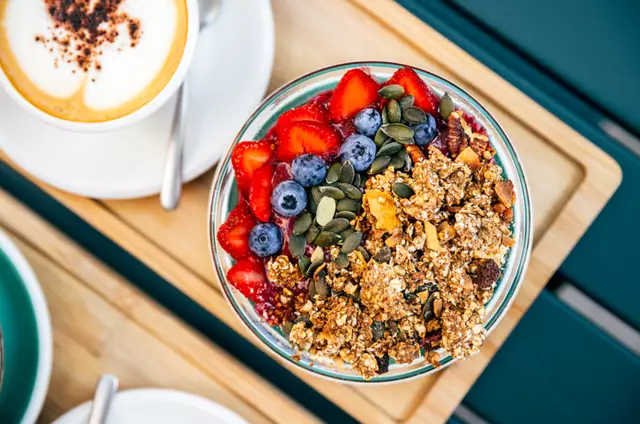
People can very easily make a good açaí bowl unhealthy (Getty Stock Image)
Chef Chill explains, “Once you add granola, fruit, and honey, this superfood becomes a sugar bomb that will eventually make you crash.”
Healthier Alternative:
Opt for homemade versions using unsweetened açaí puree and top them with nuts or seeds instead of sugary granola. According to Harvard Health, controlling added sugars can reduce your risk of heart disease and diabetes.
Processed Vegetarian Foods and Veggie Chips
Plant-based doesn’t automatically mean healthy. Many packaged vegetarian products—like veggie chips or imitation meats—are often made from refined starches and lab-created ingredients.
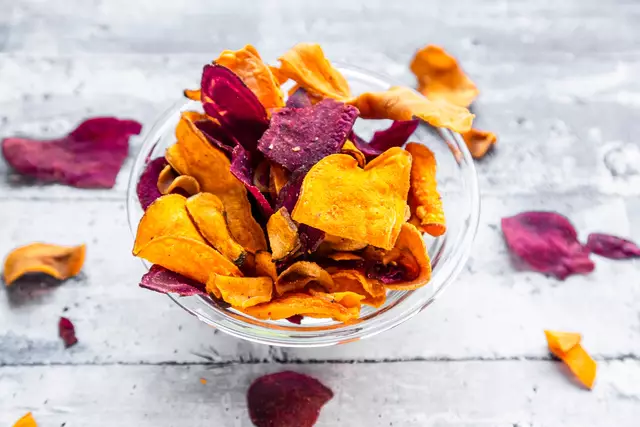
The chef said that many veggie chip brands ‘use refined starches’ (Getty Stock Image)
“Many plant-based products are made with lab-created ingredients and are highly processed,” says Chill. “They offer no vegetable nutritional value.”
According to the World Health Organization (WHO), minimizing processed foods can support better metabolic and heart health.
Tip:
Choose whole, minimally processed vegetables, legumes, and grains instead of processed alternatives. You can explore more about mindful snacking in our post on better snack choices for busy people.
Protein Shakes: Not Always the Post-Workout Hero
Protein shakes have become a gym staple, but not all are created equal. Many bottled shakes contain artificial sweeteners, additives, and isolated proteins that may harm gut health.

Jimmy Chill warned that protein shakes may not always be as healthy as you think (Getty Stock Image)
Chill notes that these ingredients “can hurt your gut microbiome and ultimately affect your digestion and even your mental clarity.”
According to NIH research, gut microbiota play a crucial role in overall well-being, including immune function and mental health.
Smarter Move:
Blend your own shakes with whole ingredients—like Greek yogurt, nut butter, and fresh fruit—so you control the sugar and additive content.
Olive Oil: Good, But Only in Moderation
Olive oil has long been praised for its heart-healthy fats and antioxidants. However, even healthy oils are calorie-dense. Chill reminds us, “While olive oil does contain heart-healthy fats, it’s all about portion control.”
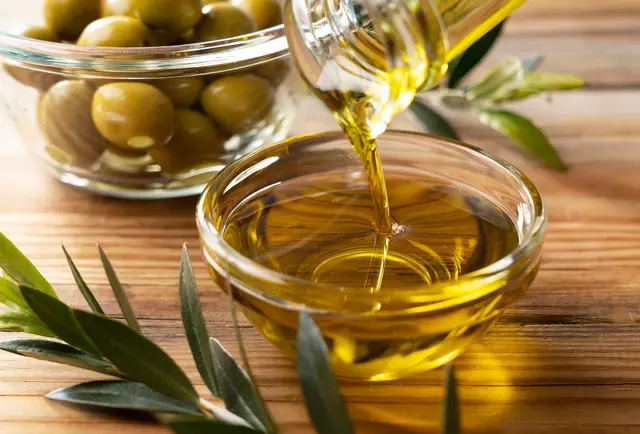
The chef noted that ‘not all oils are created equal’ (Getty Stock Image)
The American Heart Association recommends using olive oil sparingly and pairing it with a diet rich in vegetables and lean proteins.
For more on building a balanced diet, check out our article on small food swaps that make a big health impact.
Smoothies and Detox Juices: A Hidden Calorie Bomb
Smoothies and detox juices are often marketed as “clean” or “energizing,” but many store-bought options are high in sugar and calories. Chill points out that blending fruits can degrade nutrients, and pasteurization reduces freshness.
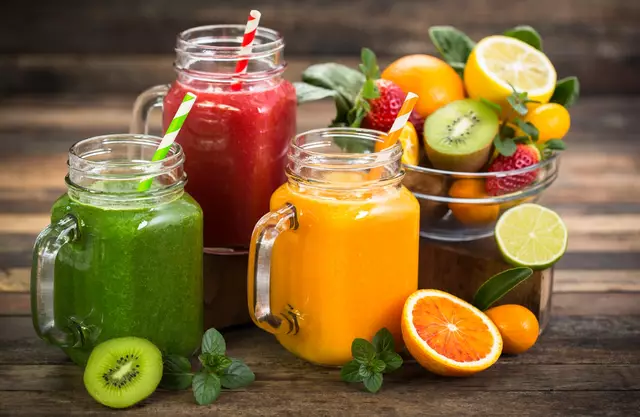
Your daily smoothie may contain more calories than you think (Getty Stock Image)
In fact, there’s no real need for detox juices—your body’s liver and kidneys already handle detoxification naturally. The Centers for Disease Control and Prevention (CDC) emphasizes maintaining hydration and balanced nutrition over fad detox methods.
Better Approach:
Make smoothies at home using whole fruits, vegetables, and a source of fiber like chia seeds or oats. You’ll get more nutrients and fewer empty calories.
You might also enjoy our related read on simple ways to boost daily energy naturally.
The Takeaway: Balance and Awareness Matter
The key isn’t to fear these foods—it’s to understand what’s really in them and how they fit into your diet. As Chef Chill highlights, “It’s not about banning certain foods—it’s about knowing what you’re putting into your body.”
Marketing labels can be misleading, but awareness and moderation are the real superpowers.
If you’re looking for practical guidance, our article on everyday eating habits that promote long-term wellness offers simple, research-backed tips.
External References:
- Harvard Health: The Truth About Added Sugar
- World Health Organization (WHO): Processed Food Guidelines
- NIH: Gut Microbiome and Health
- American Heart Association: Fats and Heart Health
- Centers for Disease Control and Prevention (CDC): Healthy Eating Tips
Disclaimer:
This article is for informational purposes only and does not constitute medical or professional advice. Always consult a qualified healthcare provider before making significant changes to your diet or lifestyle.