 by
by We all know the classic red-flags of a heart attack: crushing chest pain, overwhelming anxiety, shortness of breath, or a tight, heavy sensation in the chest. If you ever feel those, call for help immediately—every second counts.
But what about the quiet, sneaky clues your body might whisper before things escalate? One of those often overlooked hints is called orthopnea (pronounced “or-THO-pnee-uh”). According to doctors, up to 92 % of people ignore this sign until it gets serious.
What is orthopnea — and why it matters
Orthopnea means you get short of breath when you lie flat, and it improves when you sit or stand up. Cleveland Clinic+2Medical News Today+2 It’s not the same as general shortness of breath (dyspnea) — this one is position-dependent. NCBI+1
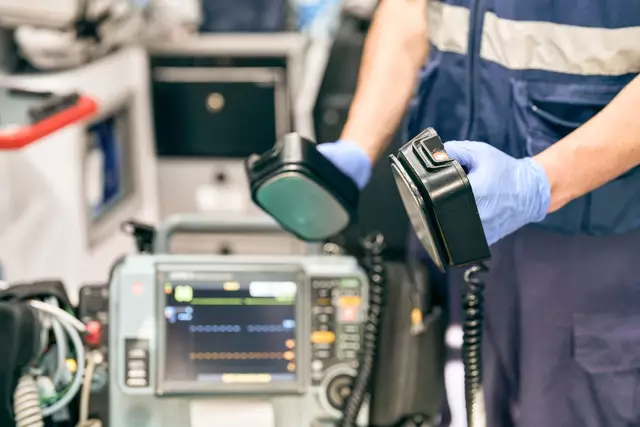
Speed is hugely important with treating a heart attack (Rawlstock/Getty)
When your heart is weakened, blood backs up into your lungs. While standing, gravity helps prevent fluid from pooling in the chest region. But when you lie down, that “help” disappears, and the extra load forces your lungs to fight for air. WebMD+2Medical News Today+2
You might notice:
- Needing multiple pillows just to sleep comfortably
- Waking up gasping for air
- Wheezing or coughing when fully flat
- Swelling in ankles or feet (edema)
- Unusual fatigue or brain fog
If you’ve ever thought, “I must sleep propped up just to breathe,” don’t brush it off as stress. Your body may be trying to tell you something urgent.
Other subtle symptoms to watch for
- Paroxysmal nocturnal dyspnea (PND): sudden shortness of breath that wakes you in the night, relieved by sitting upright. Sleep Foundation+1
- Pedal edema: swelling in your feet, ankles, or legs—often an early sign of fluid retention tied to heart issues. PMC+2www.heart.org+2
- Bendopnea: a newer term for shortness of breath when bending over (e.g. tying your shoes) — linked to elevated filling pressures in the heart. Wikipedia
- Persistent fatigue, nausea, cough, or irregular heartbeat can also accompany heart trouble. Mayo Clinic+2The Cardiology Advisor+2
What to do (and what not to do)
- Don’t wait. If you experience orthopnea or any of these signs, contact a medical provider right away.
- Be ready to describe when symptoms occur (e.g. when lying down, when bending over), and how many pillows you need to sleep.
- A doctor may order tests like an echocardiogram, chest X-ray, BNP (a heart stress marker), or ECG. Hopkins Medicine+3Osmosis+3Mayo Clinic+3
- Healthy habits still matter — manage blood pressure, cholesterol, maintain a balanced diet, exercise (as tolerated), avoid smoking, and control stress.
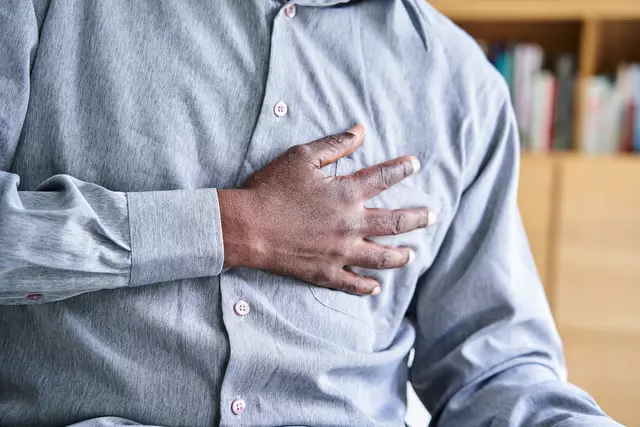
The acute symptoms of a heart attack are widely known (PhotoAlto/Frederic Cirou/Getty)
Final thought: Your heart doesn’t send you spam — when it “speaks,” it’s serious. If you’re waking up gasping for air, catching your breath only when upright, or noticing odd swelling, don’t chalk it off as exhaustion. Go see a healthcare professional. Acting early can make all the difference.