 by
by Vaping has become one of the most common alternatives to traditional smoking, especially among young adults. With flavored disposables, sleek devices, and the perception of being “safer,” it’s easy to see why many people turned to e-cigarettes. But as more research emerges, experts are learning that vaping may have its own set of risks — some mild, some potentially long-lasting.
This article takes an objective, research-backed look at how vaping can affect the lungs, what symptoms people should watch for, and whether damage can be reversed. While the topic can be concerning, the goal here is clarity, context, and helpful information — without fear-based messaging.
(Internal link: Viralsensei – Health Feature)
Can Vaping Damage the Lungs?
Studies suggest that vaping can irritate or inflame the lungs, especially when used frequently. According to the Centers for Disease Control and Prevention (CDC), vaping products can expose users to chemicals, heavy metals, and ultrafine particles that may affect lung tissue.
While not everyone who vapes experiences severe issues, research shows that regular use may increase the risk of:
- Chronic coughing
- Shortness of breath
- Chest discomfort
- Throat irritation
The National Institutes of Health (NIH) notes that long-term effects are still being studied, as vaping is relatively new compared to traditional smoking.
(Internal link: Viralsensei – Wellness Guide)
Understanding “Popcorn Lung” and Other Concerns
One condition that often makes headlines is bronchiolitis obliterans, commonly known as “popcorn lung.” According to Harvard Health, this rare condition involves scarring of the airways and is believed to be linked to long-term exposure to certain chemicals, including diacetyl, which was once found in some flavored vapes. Most reputable brands have removed or reduced this ingredient, but concerns remain.
However, researchers emphasize that popcorn lung is not the most common complication from vaping. More frequently reported issues include inflammation, difficulty breathing, and irritation of the airways.
Some users have described extreme experiences — such as sudden lung collapse after years of consistent vaping — but experts caution that these cases, while real, don’t represent the typical outcome for most users.
Can the Lungs Heal From Vaping?
This is one of the most important questions vapers ask. According to the health resource Rehab 4 Addiction, lung cells do have a remarkable ability to regenerate when damage is mild or caught early. Studies suggest that reducing or stopping vaping can allow the lungs to begin repairing inflamed tissue within weeks or months.
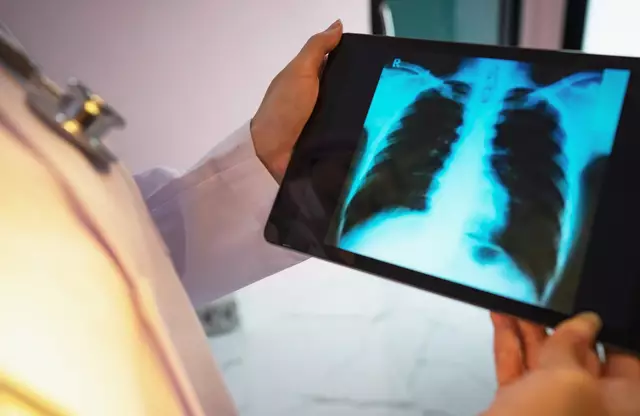
Lung damage can be reversed at a certain point (Prapass Pulsub/ Getty Stock)
However, lung healing depends on factors such as:
- How long the person vaped
- How frequently they vaped
- Pre-existing health conditions
- Genetics
- The type of chemicals inhaled
Severe damage, like scarring or fibrosis, may not be reversible. And in cases where a person develops EVALI (E-cigarette or Vaping Associated Lung Injury), the damage can become permanent.
(Internal link: Viralsensei – Lifestyle Report)
What Is EVALI? Signs, Symptoms, and Long-Term Risks
EVALI became widely recognized in 2019 when hundreds of individuals were hospitalized with vaping-related lung injuries. According to the CDC, symptoms typically include:
- Shortness of breath
- Chest pain
- Coughing
- Fatigue
- Low blood oxygen levels
Although EVALI cases have declined, they still occur, especially among people using unregulated or homemade vaping products. Severe cases can be life-threatening, though this is rare.
The World Health Organization (WHO) emphasizes that the long-term effects of vaping-related lung injuries are still being studied, and individuals with EVALI may experience ongoing respiratory challenges.
(Internal link: Viralsensei – Trending Science Story)
What Experts Say About Long-Term Lung Health
In an interview with the University of Utah, cardiologist Dr. Andrew Freeman explained that the lungs are not designed to absorb recreational chemicals. He notes that our lungs naturally lose some function as we age, typically beginning in our mid-20s.
Because of this natural decline, habits like vaping may compound future breathing issues, especially with long-term or heavy use. Researchers are still studying the complete long-term impact, but early data suggests caution is warranted.

Vaping can cause irreversible damage (Peter Dazeley / Contributor/ Getty Stock)
External sources like Reuters Health, BBC News, and Harvard Medical School continue to analyze vaping trends, especially among younger populations.
(Internal link: Viralsensei – Public Health Update)
Conclusion
Vaping affects people differently, and the full long-term picture is still being researched. While many individuals experience only mild irritation or no noticeable symptoms, others may develop complications ranging from chronic coughing to severe conditions like EVALI.
The key takeaway from leading health organizations:
Vaping carries real risks, and the lungs may heal from mild effects — but more serious damage can be lasting.
Anyone experiencing persistent breathing issues should speak with a healthcare professional as soon as possible.
Disclaimer
This article is for informational purposes only and does not constitute professional advice. Always consult a qualified medical professional before making decisions based on this information.
This is not medical advice.