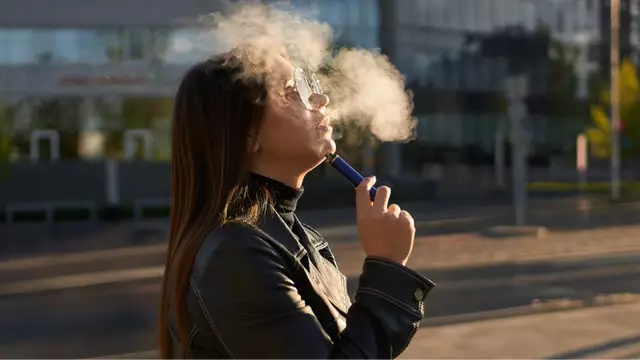
 by
by Vaping has become incredibly common in recent years—especially among young adults—but many people are now wondering how this habit actually affects their long-term lung health. While research suggests vaping is less harmful than smoking, experts warn that frequent or prolonged use can still cause inflammation, breathing issues, and in rare cases, long-term damage.
So what does current science say about lung recovery, risk levels, and safer vaping habits? Below, we break down what health researchers know so far in a simple, reader-friendly guide.
Can Your Lungs Heal After You Stop Vaping?
Many people hope their lungs will bounce back once they put down the vape. According to early research and guidance from organizations like the CDC and NIH, recovery is possible—but it varies from person to person.
Studies suggest that when someone stops vaping:
- Inflammation may begin to decrease within weeks.
This can help with symptoms like coughing or mucus buildup. - Younger lungs may recover more fully.
Younger adults tend to have stronger regenerative capacity. - Long-term or heavy users may retain some effects.
Chronic irritation or scarring may not fully reverse in every case.
Because vaping is relatively new compared to smoking, long-term studies are still developing. However, experts agree that quitting or reducing use gives your lungs the chance to start healing right away.
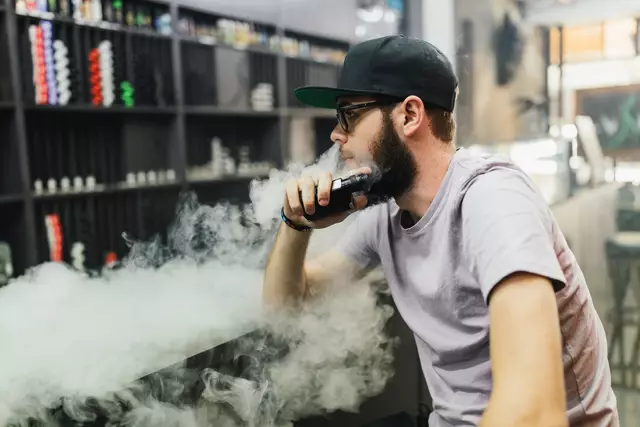
Heavy use of your vape could cause serious damage to your health (Hello World/Getty Images)
For comparison, you can read how lifestyle choices affect the body in other Viralsensei articles such as
• Why Sleep Matters More Than You Think
• Healthy Habits That Improve Your Day
How Much Vaping Is Considered “Heavy Use”?
There is no universal standard for “too much vaping,” but health experts generally look at:
- How often you vape throughout the day
- Nicotine concentration in your e-liquids
- Device temperature and type
- Your baseline lung health
- Any pre-existing conditions, like asthma
According to the Harvard T.H. Chan School of Public Health, some individuals develop breathing difficulties after relatively short periods of frequent vaping, while others may tolerate longer use before noticing symptoms.

Vape use is on the rise among young people (SimpleImages/Getty Images)
People who may be at higher risk include:
- Young adults and teens, whose lungs are still developing
- Daily or continuous vapers
- People with asthma or chronic respiratory conditions
- Individuals sensitive to airway irritants
For more wellness insights, you can check out:
• How Stress Impacts Your Body
• Everyday Habits That Boost Your Energy
Potential Health Effects of Long-Term Vaping
While vaping exposes users to fewer toxins than cigarettes, it still involves inhaling heated chemicals. According to the CDC and WHO, potential risks may include:
- Chronic inflammation of the airways
- Shortness of breath or chest tightness
- Coughing or mucus production
- Possible long-term scarring in rare cases
Public health agencies also note concerns about certain additives—especially those linked to previous cases of severe lung injury.
If you’re interested in how environmental factors affect the body, you may also like:
• The Hidden Dangers of Air Pollution
How to Reduce the Health Risks of Vaping
If quitting isn’t your immediate goal, there are steps that can help reduce potential harm. Health experts, including those at Harvard Health and NIH, suggest the following:
1. Reduce Frequency
Shorter sessions and fewer puffs reduce overall exposure.
2. Choose Regulated Devices
Devices with temperature control may form fewer harmful compounds.
3. Avoid Risky Additives
Especially:
- Vitamin E acetate
- Diacetyl (linked to “popcorn lung”)
- Unknown or unverified liquids
4. Maintain Lung-Friendly Habits
- Exercise regularly
- Stay hydrated
- Avoid high-pollution areas when possible
- Monitor breathing or chest symptoms
5. Consult Healthcare Professionals if Symptoms Develop
Shortness of breath, persistent coughing, or chest pain should be evaluated by a medical professional.
For more health-conscious lifestyle tips, see:
• Why Staying Hydrated Matters
How Long Does It Take for the Lungs to Recover?
Because vaping is relatively new, researchers don’t have decades of longitudinal data—but early findings suggest:
- Mild irritation may improve within weeks
- Respiratory function may improve over months
- Long-term heavy users may see partial, but not always full, recovery
Organizations like the NIH emphasize that stopping exposure is the most important first step toward recovery.
Conclusion
Vaping can be a useful tool for people trying to quit smoking, but it’s not completely risk-free—especially for heavy users or young people. The good news? Studies suggest that reducing use or stopping altogether gives your lungs a chance to heal and function better over time.
Whether you’re considering quitting or simply want to vape more responsibly, small changes can make a meaningful difference to your long-term health.
External Authoritative Sources Used
- Centers for Disease Control and Prevention (CDC) – https://www.cdc.gov
- National Institutes of Health (NIH) – https://www.nih.gov
- World Health Organization (WHO) – https://www.who.int
- Harvard T.H. Chan School of Public Health – https://www.hsph.harvard.edu
- BBC Health – https://www.bbc.com/news/health
Disclaimer
This article is for informational purposes only and does not constitute medical, professional, or health advice. Always consult a qualified healthcare provider before making decisions about vaping, lung health, or any other medical concerns.