 by
by When 41-year-old Fraser, an Australian dad, was told he had early-onset Alzheimer’s disease, his world came crashing down. The diagnosis—unusual for someone his age—reshaped his life, his plans, and even his sense of self.
He began sharing his experience on his YouTube channel, Younger Onset Dementia, opening up about memory lapses, confusion, and emotional struggles. But after a recent set of follow-up tests, Fraser shared an incredible update: he doesn’t have Alzheimer’s disease at all.
From Confusion to Clarity
Eight months after his diagnosis, Fraser recalled how it all began—forgetting conversations, struggling to recall simple details, even re-watching movies he had already seen without realizing it.
“I remember sitting down to watch a movie,” he said, “and my partner told me we’d seen it a month ago. I had no memory of that. When the ending came, it was a total surprise.”
As his memory gaps worsened, doctors diagnosed him with early-onset Alzheimer’s, a progressive disease that affects about 3–5% of all Alzheimer’s cases, often appearing in people under 65, according to Alzheimer’s Society UK.
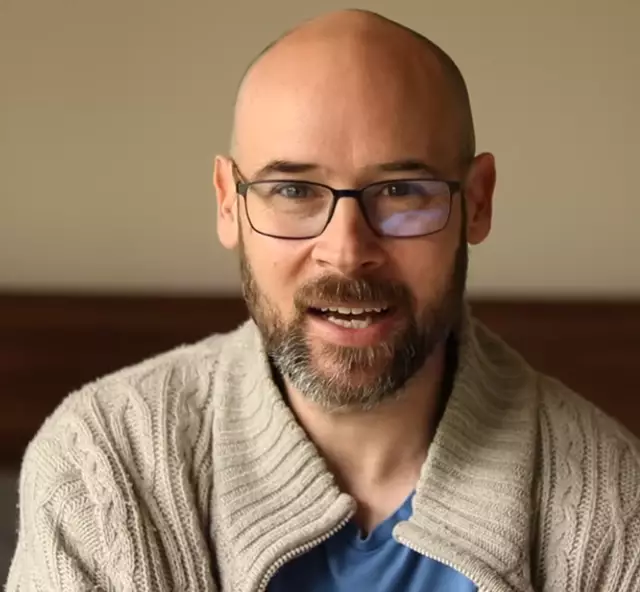
Fraser was diagnosed with dementia last year (YouTube/YoungOnsetDementia)
The Turning Point
Recently, Fraser underwent a follow-up cognitive assessment and brain imaging to monitor disease progression. The results shocked everyone—his scans were clear, and his cognition had barely declined.
“They said there’s no way I have dementia,” Fraser explained in his update. “It just didn’t add up.”
His medical team ordered further neurological and psychological testing. The outcome? Fraser’s symptoms were not caused by dementia at all but by severe anxiety and stress.
How Anxiety Can Mimic Memory Loss
Mental health professionals confirm that chronic anxiety can significantly affect cognitive function. According to Harvard Health, stress and anxiety disrupt how the brain encodes and retrieves memories. Essentially, an anxious brain struggles to “file” memories properly, making recall difficult—much like losing track of files in a cluttered cabinet.
The National Institute of Mental Health (NIMH) also notes that long-term stress can cause concentration problems, forgetfulness, and confusion—symptoms that can sometimes resemble early dementia.
Fraser admitted that his perfectionist personality and high stress levels likely contributed to these cognitive lapses. Once he understood the root cause, relief washed over him.
“I sobbed for hours,” he said. “Knowing I have more years to live—it’s overwhelming.”
He’s since renamed his channel to I (don’t) have dementia and is using his platform to raise awareness about mental health and misdiagnosis.
Misdiagnosis and Mental Health Awareness
Dementia misdiagnosis isn’t common, but it happens. According to the Mayo Clinic, certain mental health conditions—including depression and anxiety—can cause “pseudo-dementia,” where symptoms mimic cognitive decline.
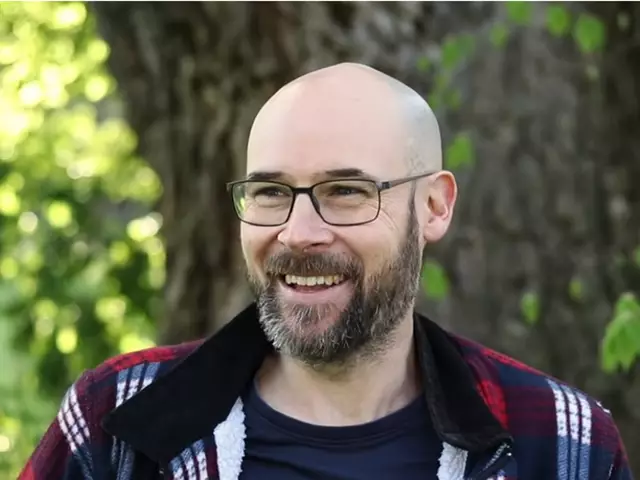
Fraser said he doesn’t have dementia (YouTube/YoungOnsetDementia)
This underscores the importance of comprehensive testing and second opinions before accepting a life-changing diagnosis.
For Fraser, what started as a devastating diagnosis turned into a message of hope—reminding others that not all cognitive issues mean dementia, and that mental health deserves equal attention.
Lessons from Fraser’s Story
Fraser’s journey is a testament to resilience, awareness, and the complexity of mental health. His experience highlights three key takeaways:
- Seek multiple opinions: A single diagnosis—especially for complex conditions—may not tell the full story.
- Recognize the power of mental health: Chronic stress and anxiety can deeply affect cognitive function.
- Share your story: Fraser’s openness has inspired thousands, showing that vulnerability can lead to healing.
As Fraser continues to rebuild his life, he’s focusing on managing his anxiety, improving mindfulness, and supporting others facing uncertainty.
Related Reading on Viralsensei.com
- How One Woman’s Routine Checkup Changed Her Life
- The Science Behind Why We Forget Things
- This Father’s Message About Mental Health Is Inspiring Millions
- Simple Ways to Calm Anxiety Naturally
- When a Diagnosis Isn’t What It Seems
Reliable Sources for Further Reading
- Alzheimer’s Society – Understanding Early-Onset Dementia
- Harvard Health – How Anxiety Affects Memory
- Mayo Clinic – Depression and Pseudodementia
- National Institute of Mental Health – Stress and the Brain
- World Health Organization – Dementia Factsheet
Disclaimer: This article is for informational purposes only and does not constitute medical or professional advice. Always consult a qualified healthcare provider before making decisions related to your health.