 by
by Do you lie awake, staring at the ceiling, with your mind racing or your legs restless? The military sleep method might be your secret weapon for slipping into dreamland — even in under two minutes, if you get the hang of it.
What is the Military Sleep Method?
First published in Relax and Win: Championship Performance in 1981 and later popularized in wellness circles, this method combines deep breathing, progressive muscle relaxation, and visualization. Cleveland Clinic+2Real Simple+2 It’s sometimes claimed that, with consistent practice, you can drift off in just 120 seconds. Cleveland Clinic+2Verywell Mind+2
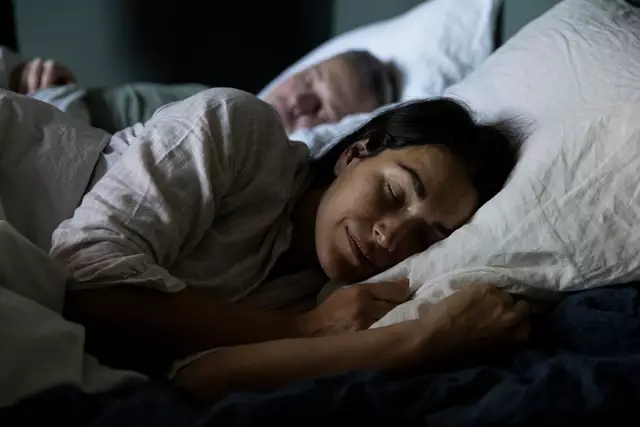
The military sleep method can take just two minutes if you get it right (Getty Stock Image)
Experts caution that while there isn’t strong scientific proof that it works for everyone, the components (relaxation, breath work, imagery) are well supported by research. Sleep Doctor+2Good Housekeeping+2
How to Use It (Step by Step)
Here’s a simple version you can try tonight:
- Lie down comfortably on your back.
- Breathe slowly and deeply — draw air in gently, then exhale more slowly.
- Starting at your face and scalp, consciously let each muscle relax (forehead → jaw → cheeks → eyes).
- Move down your body: neck, shoulders, arms, chest, belly, legs, feet. Imagine each part becoming soft and heavy.
- When your body feels relaxed, clear your mind. Use a visual image (for example: floating down a calm river, swaying in a hammock) or silently repeat “Don’t think” for about 10 seconds. If your mind wanders, gently bring it back. Real Simple+3Good Housekeeping+3Cleveland Clinic+3
With repeated use (some sources suggest 6 weeks of nightly practice), the method might help you fall asleep more quickly. Verywell Mind+2eurekahealth.com+2
“Yes, it works wonders for me… after about a month of doing it nightly I fall asleep in ~2 minutes,” one user shared online. Reddit
Why It May or May Not Work for You
- Underlying conditions like anxiety or ADHD can interfere. Cleveland Clinic+2eurekahealth.com+2
- Pressuring yourself to “win the sleep game” can backfire. Sleep experts warn against turning sleep into a performance metric. Cleveland Clinic+1
- It’s not a magic wand — your overall sleep hygiene matters too. Sleepopolis+2Good Housekeeping+2
Banning Phones (or Screens) from the Bedroom: Why That Might Be Key
One of the most powerful moves? Kick devices out of the bedroom.
- Blue light suppresses melatonin, the hormone that tells your brain it’s time to sleep. WebMD+3Sleep Foundation+3KidsHealth+3
- Screen use in the last 1–3 hours before bed can shift your circadian rhythm and delay sleep onset. PMC+3Sleep Foundation+3Sleep Foundation+3
- Sleep Foundation suggests using red or amber lighting, reducing screen brightness, or setting “night mode” hours. Sleep Foundation+1
So yes — banning your phone (or tablet, or laptop) from your bedroom is more than just trendy advice. It’s one of the simplest, most science-backed changes you can make.
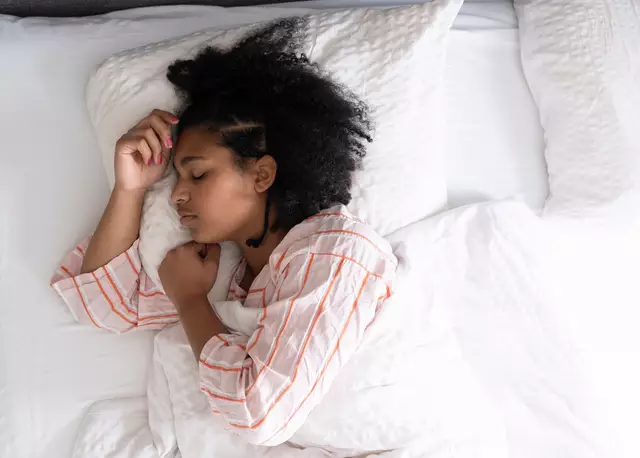
You can also improve your sleep hygiene by banning phones from the bedroom (Getty Stock Image)
Other Sleep Hygiene Tips Worth Trying
- Stick to regular bed and wake times — consistency reinforces your internal clock.
- Get daily movement (walking, gym, yoga) — but avoid intense exercise close to bedtime.
- Keep your bedroom cool, dark, and quiet.
- Avoid caffeine, alcohol, heavy meals in the hours before sleep.
- Use the military technique as a relaxation tool, not a last-minute trick.
With consistent practice, patience, and a little discipline, the military method + smart sleep hygiene could transform your nights — no endless tossing and turning needed.
Good luck — may your nights be restful and your mornings fresh!