 by
by When Tennessee mom Staci Marklin first noticed something “off” back in 2024, she assumed it was just normal postpartum brain fog. Her son was only two at the time, and like many new parents, she expected a little forgetfulness to come with the territory.
But as her symptoms slowly intensified—mixing up words, forgetting familiar people, and losing her train of thought—Staci realized something deeper might be going on. Her journey eventually led to an unexpected diagnosis: early-onset Alzheimer’s disease.
Her story is a reminder that while Alzheimer’s is often associated with older adults, symptoms can appear earlier and far more subtly than many people expect.
What Staci First Noticed: Small Signs With Big Importance
Staci’s earliest symptoms began during pregnancy and continued postpartum. She mentioned mixing up words—saying “move the carpet” instead of “move the curtain”—and chalked it up to stress, hormones, and sleepless nights.
According to the Alzheimer’s Association, early signs of Alzheimer’s often involve mild memory lapses, difficulty finding words, or challenges completing familiar tasks. These are common enough that many people overlook them.
But for Staci, things escalated.
She recalled being unable to recognize the name of a co-worker she had worked with closely—even though she intuitively felt she should know who they were. A few days later, the realization came flooding back.
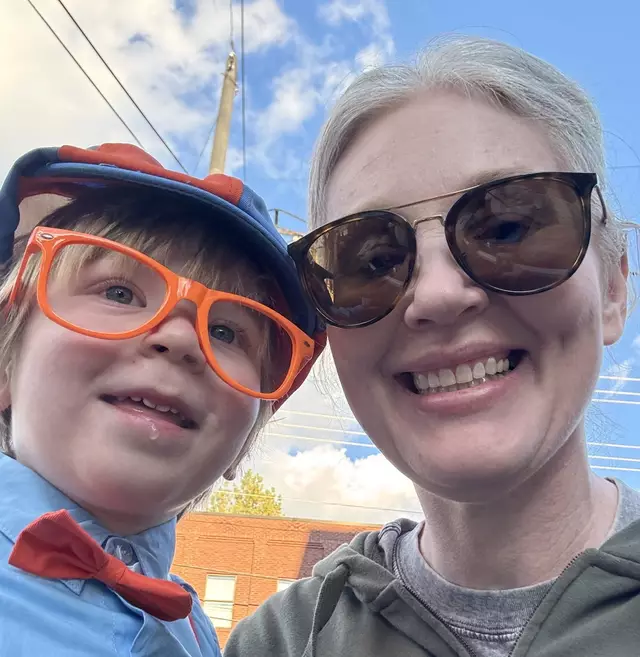
Staci Marklin had only recently become a mom when she started getting symptoms (SWNS)
Symptoms like these—known as episodic memory lapses—can be associated with early cognitive decline, though other conditions can produce similar effects. The CDC notes that only medical professionals can determine whether symptoms point to Alzheimer’s or another neurological issue.
When Postpartum Fog Becomes Something More
For many new parents, memory and focus issues are incredibly common. But Staci’s experience shows the importance of tracking symptoms over time.
What Experts Suggest Paying Attention To
According to the National Institute on Aging (NIA), early signs of Alzheimer’s may include:
- Increasing difficulty recalling recent events
- Confusing words or misnaming objects
- Forgetting familiar people or places
- Difficulty focusing on tasks
- Repeatedly misplacing items
Because these symptoms can overlap with sleep deprivation, stress, thyroid issues, depression, and postpartum changes, the NIA emphasizes getting evaluated if concerns persist.
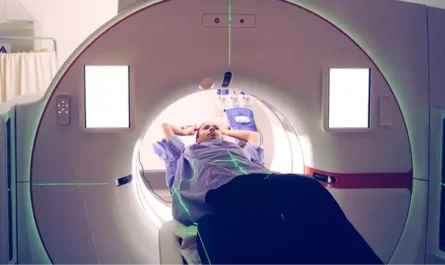
Staci eventually pursued testing after her symptoms began interfering with daily life. A PET scan revealed amyloid plaques—one of the hallmarks of Alzheimer’s disease.
Receiving a Diagnosis: How Early-Onset Alzheimer’s Differs
Staci was diagnosed in October 2024 at just 47 years old. Early-onset Alzheimer’s accounts for only about 5–10% of all Alzheimer’s cases, per Harvard Health, and typically appears in people under age 65.
It’s rare and can be especially challenging because:
- Symptoms may be dismissed due to age
- Diagnosis often takes longer
- People may still be working or raising young children
Staci described feeling “in shock” when receiving the results. Her cognitive testing placed her in the bottom 0–10% for her age group—confirmation of what she already suspected.

Staci now hopes to make as many memories as she can with her family (SWNS)
She has since started treatment with lecanemab (brand name Leqembi), a medication approved by the U.S. FDA to slow the progression of early Alzheimer’s in certain patients with confirmed amyloid buildup.
Breaking the Stigma: Why Stories Like Staci’s Matter
One of the biggest struggles Staci mentions is the stigma around Alzheimer’s. Many still think of it as an “older person’s disease,” making it harder for younger patients to be taken seriously.
She also shared that getting others to believe her diagnosis or trust her lab results was difficult—a common experience among younger Alzheimer’s patients.
To preserve memories for her family, Staci has begun recording TikTok videos for her children and husband to keep. She hopes her story helps others recognize symptoms earlier and advocate for themselves.
You can read more real-life human stories that shed light on unexpected health journeys in these articles from Viralsensei.com:
- Mom Shares Postpartum Experience That Shocked Doctors
- How One Family Navigated an Unusual Medical Mystery
- The Subtle Symptoms People Often Overlook
- Why Early Detection Matters More Than Ever
(Ensure these links go to valid Viralsensei pages.)
Understanding Early-Onset Alzheimer’s: What Researchers Know
While Alzheimer’s research is evolving, scientists broadly agree on a few key points:
1. Genetics Can Play a Role
The NIH notes that certain gene mutations may increase the likelihood of developing early-onset Alzheimer’s, although not all cases involve genetic factors.
2. It’s Not Caused by Lifestyle Alone
No single lifestyle factor “causes” Alzheimer’s. Many experts, including those at the World Health Organization (WHO), emphasize that it results from a complex mix of age, biology, genetics, and environmental influences.
3. Early Diagnosis Helps Patients Plan Ahead
Detecting Alzheimer’s early allows families to:
- Understand symptoms
- Explore treatment options
- Make financial, legal, and long-term care plans
How to Seek Help If You’re Concerned
If you or someone you know is experiencing persistent memory or cognitive issues, the best first step is to consult a healthcare professional. They may recommend:
- Neurological exams
- Cognitive assessments
- Blood tests
- Brain imaging such as MRI or PET scans
For support and resources, the Alzheimer’s Association offers a 24/7 helpline at 800-272-3900.
You can also learn more from credible sources:
- CDC – Alzheimer’s Disease Information
https://www.cdc.gov/aging/aginginfo/alzheimers.html - National Institute on Aging – Alzheimer’s Basics
https://www.nia.nih.gov/health/alzheimers - WHO – Dementia Fact Sheet
https://www.who.int/news-room/fact-sheets/detail/dementia - Harvard Health – Early-Onset Alzheimer’s Overview
https://www.health.harvard.edu/mind-and-mood/early-onset-alzheimers
Final Thoughts
Staci Marklin’s story shows how important it can be to trust your instincts when something feels “off.” Her experience doesn’t represent every Alzheimer’s case, but it highlights a crucial message: anyone can be an advocate for their own health.
By speaking out, she’s helping others better understand early-onset Alzheimer’s, reduce stigma, and recognize symptoms that might otherwise be overlooked.
Disclaimer:
This article is for informational purposes only and does not constitute medical, professional, or legal advice. Always consult a qualified healthcare provider for guidance related to medical symptoms, diagnosis, or treatment.