 by
by When 38-year-old midwife Rachel McCormack began to feel persistent back pain, she assumed it was just part of her physically demanding job. What she didn’t expect was that the ache would lead to a heartbreaking discovery — her breast cancer had returned, nearly a decade after her first diagnosis.
From All-Clear to a New Battle
Rachel, from North Yorkshire, UK, was first diagnosed with stage two breast cancer in 2015. After undergoing chemotherapy and surgery, she was declared cancer-free and continued to attend annual mammograms.
For almost ten years, her scans remained clear. But the anxiety of recurrence never fully went away. “In the early days, it was scary not seeing anyone regularly,” Rachel shared. “Every ache made me wonder if it was something more.”
By December 2024, she noticed persistent lower back pain, which she initially attributed to muscle strain. As a midwife, bending and lifting were part of her daily routine, and back discomfort wasn’t unusual. When physiotherapy failed to help, Rachel reached out to her breast care team at Scarborough Hospital.
Diagnosis: Stage Four Secondary Breast Cancer
Following an MRI scan, doctors discovered that Rachel’s vertebrae had been severely fractured due to tumors on her spine — a sign that her breast cancer had metastasized.
She was diagnosed with secondary stage four breast cancer, meaning the disease had spread beyond the breast to other parts of the body. Rachel immediately began chemotherapy, immunotherapy, and targeted treatment to shrink the tumors and manage symptoms.
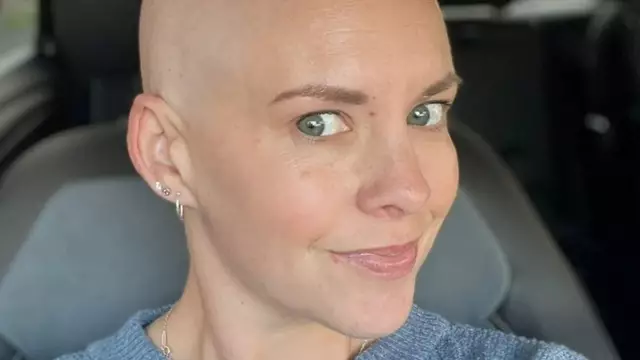
Rachel McCormack was first diagnosed with breast cancer in 2015 (SWNS)
“The stats show median survival times, but it really depends on how the cancer responds to treatment,” she explained. Despite the challenges, she remains hopeful and committed to making the most of every day.
Life After Diagnosis: Hope, Awareness, and Family Support
Rachel’s treatment plan includes 12 weeks of chemotherapy, regular monitoring, and the possibility of spinal surgery later on.
Amid the uncertainty, her community rallied around her. Friends and family successfully raised £15,000 for a campervan, giving Rachel, her partner James, and their five-year-old daughter Iris a chance to travel and spend quality time together between treatments.
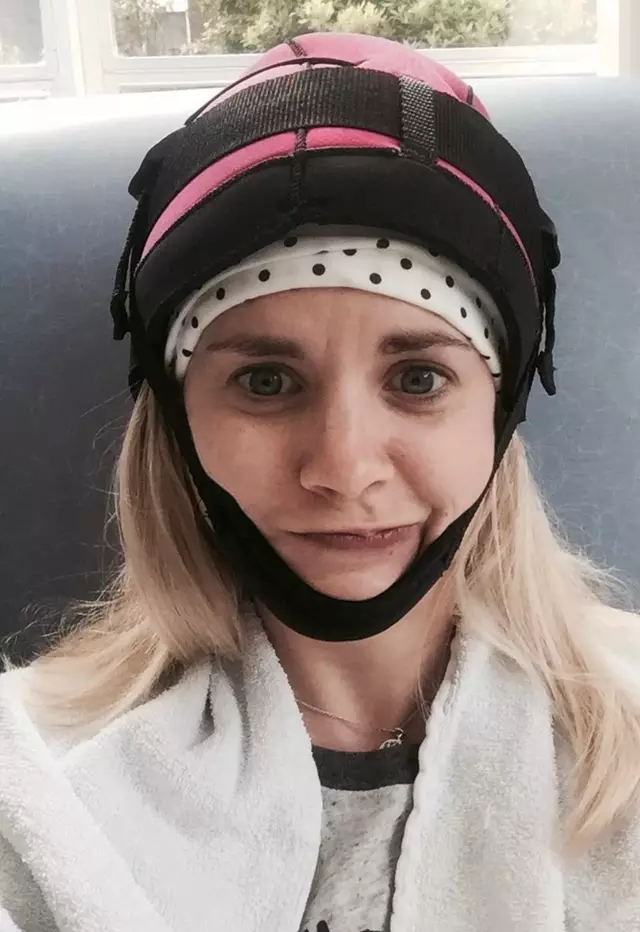
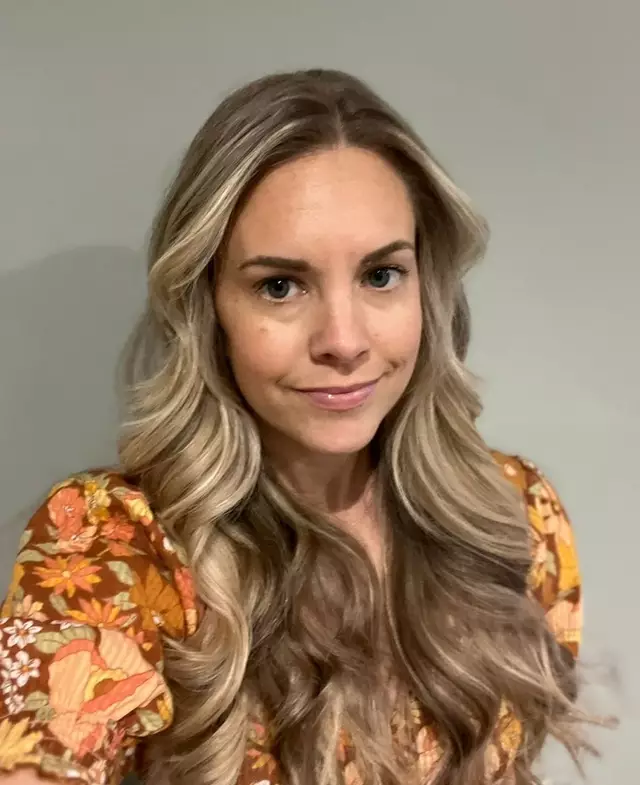
The British mom had chemotherapy and surgery to treat her first bout of cancer (SWNS)
Rachel now uses her experience to raise awareness, especially for younger women.
“It’s about letting people know that breast cancer can affect women in their twenties and thirties,” she said. “If you ever suspect something, get it checked and don’t ignore persistent pain.”
The Importance of Early Detection
According to the World Health Organization (WHO), breast cancer is the most common cancer among women globally — accounting for nearly one in four cancer cases each year. While advances in treatment have improved survival rates, early detection remains key to better outcomes.
The Centers for Disease Control and Prevention (CDC) recommends:
- Performing regular self-exams and reporting any changes to a doctor.
- Attending routine mammograms, especially for women over 40 or those with a family history.
- Maintaining a healthy lifestyle, including balanced nutrition and physical activity, which can help reduce risk factors.
As Harvard Health Publishing notes, not all pain or fatigue means cancer — but persistent or unusual symptoms should never be ignored.
Living Well with Secondary Cancer
While stage four breast cancer is considered incurable, many patients live active, fulfilling lives for years with ongoing treatment. Modern therapies focus on slowing progression, managing pain, and maintaining quality of life.
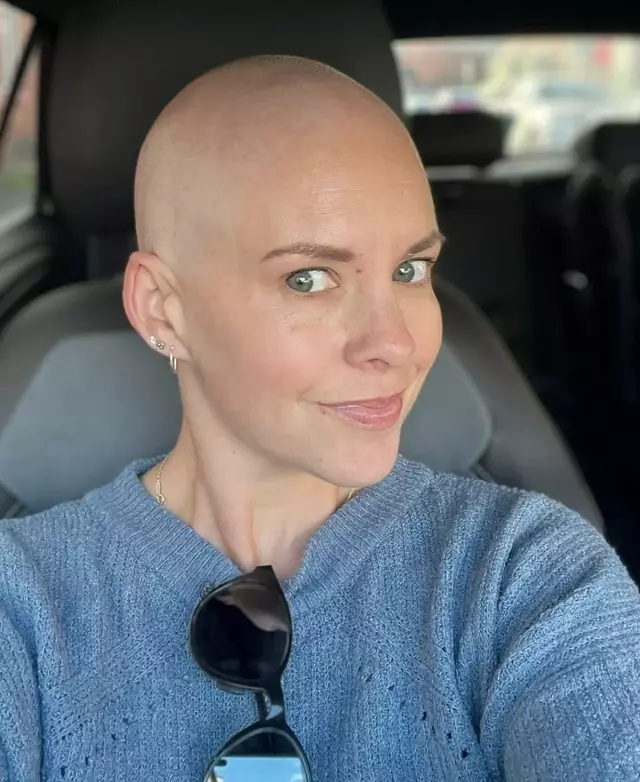
Rachel noticed her back pain in December 2024 (SWNS)
Support from organizations such as Cancer Research UK and the American Cancer Society (ACS) helps patients and families navigate both medical and emotional challenges. The ACS offers 24/7 confidential support via phone or live chat for anyone affected by cancer.
Rachel continues to focus on what matters most — family, time outdoors, and finding peace amid uncertainty. “I got ten good years because I was diagnosed early,” she said. “That’s why awareness is everything.”
Helpful Resources
- World Health Organization – Breast Cancer Facts
- Centers for Disease Control and Prevention – Breast Cancer
- Harvard Health – Breast Cancer Overview
- Cancer Research UK – Secondary Breast Cancer
- American Cancer Society – Support & Information
Related Articles on Viralsensei.com
- Doctor Shares Common Signs of Breast Cancer You Might Miss
- Young Mom’s Routine Checkup Reveals Hidden Tumor
- Simple Lifestyle Habits That Lower Cancer Risk
- Why Early Detection Saves Lives in Cancer Diagnosis
- Experts Explain How to Cope After a Cancer Diagnosis
Disclaimer: This article is for informational purposes only and does not constitute medical advice. Always consult a qualified healthcare professional for personalized guidance or concerns about your health.