by
by New attention is being drawn to disturbing allegations from the 1990s Bosnian War, as Italian prosecutors investigate claims that wealthy foreign visitors paid Serb militias for the chance to shoot civilians during the siege of Sarajevo.
These reports, first explored in a 2022 documentary, describe a horrifying practice some witnesses have called “sniper tourism.” While the claims remain under investigation, they raise important questions about accountability, war crimes, and the long-term impact of conflict on civilian populations.
In this article, we break down the allegations, explain why the case has resurfaced, and share context from reputable international sources to provide a clear, responsible overview of the issue.
What Sparked the Renewed Investigation?
The allegations came back into the spotlight following the release of Sarajevo Safari, a documentary by Slovenian filmmaker Miran Zupanič. The film compiled testimonies suggesting that foreign nationals traveled to Sarajevo during its four-year siege (1992–1996) and paid large sums to participate in sniper attacks.
The siege of Sarajevo is recognized by the United Nations and major international organizations as one of the longest and deadliest sieges in modern history. According to UN reports, more than 10,000 civilians were killed during the conflict.
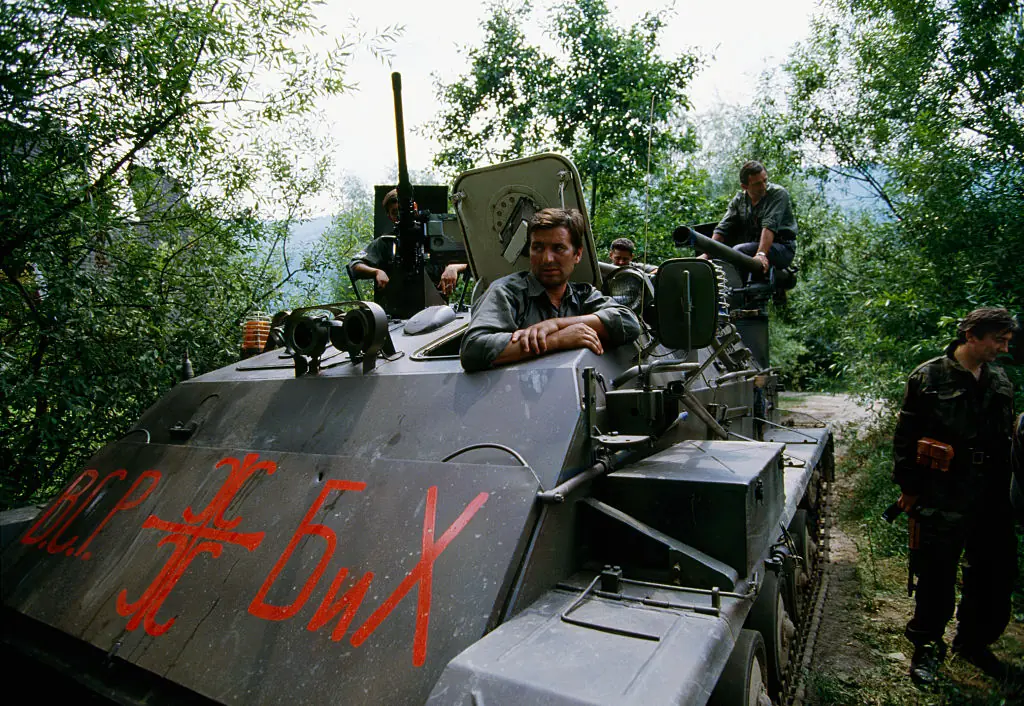
Tourists allegedly paid $91K to shoot innocent people in “human safari” hunting trips. Credit: Patrick Robert – Corbis / Getty
Italian journalist Ezio Gavazzeni recently filed a formal legal complaint summarizing these claims. This prompted prosecutors in Milan, working alongside specialized units of the Carabinieri, to open an inquiry. As noted by Reuters, Italian investigators are focusing on identifying individuals who may have taken part in the attacks and determining whether international laws were violated.
What Witnesses and Sources Claim
Testimonies From Survivors and Observers
Witnesses interviewed for the documentary, as well as individuals who later spoke with journalists, claim that:
- Foreign nationals traveled to Serb-controlled positions overlooking Sarajevo.
- They allegedly paid between $91,000 and $115,000 to fire at civilians.
- Additional fees were reportedly charged depending on the target.
These claims remain unproven and are still under active investigation.
According to reporting from the BBC, “Sniper Alley”—a stretch of urban streets exposed to sniper fire—was one of the most dangerous areas in the city during the war. It is referenced in several survivor accounts as a location where attacks frequently occurred.
Intelligence and Military Context
A former Bosnian intelligence officer has stated that foreign intelligence agencies heard rumors of foreign participants as early as 1993. In addition, archived testimony from a former U.S. Marine, cited in tribunal records, described seeing foreigners with hunting-style rifles “unsuited to urban combat,” adding to the suspicion that they were not trained fighters.
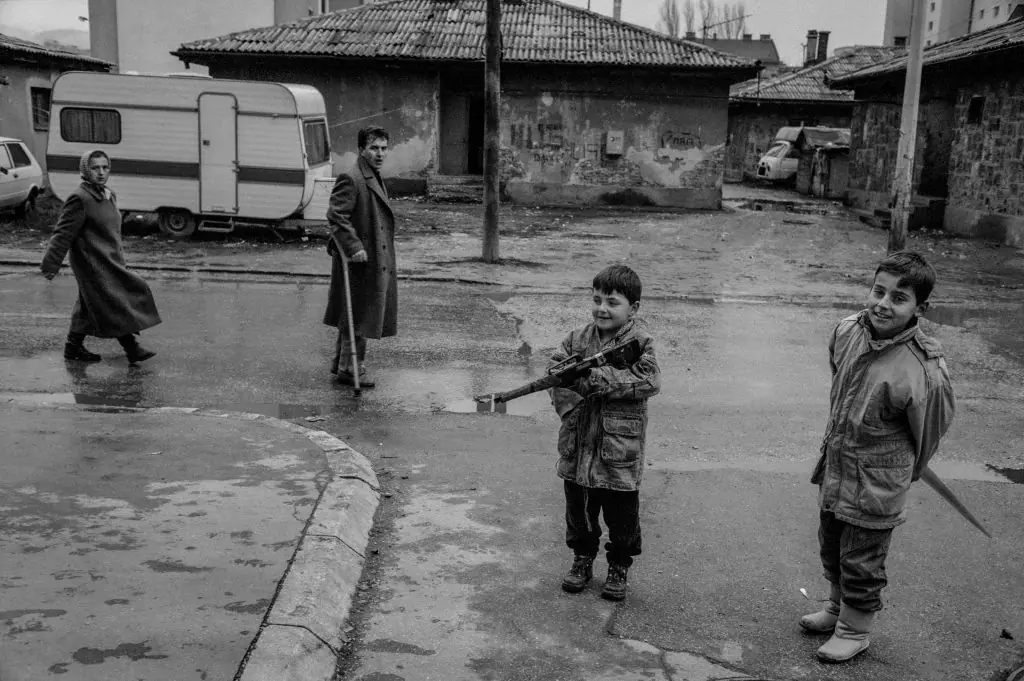
Tourists paid extra to kill children. Credit: Derek Hudson / Getty
While these accounts are alarming, they have not yet been legally verified. Prosecutors emphasize that the current inquiry aims to determine whether sufficient evidence exists for formal charges.
Why the Case Matters Today
Accountability and Historical Transparency
For many survivors, the renewed investigation represents an important step toward acknowledging overlooked war crimes. Former Sarajevo mayor Benjamina Karić has publicly supported the inquiry, saying that uncovering the truth—whatever it may be—is essential for healing and documentation.
The Bosnian government has expressed similar support. As reported by AP News, Bosnian officials see the effort as part of a broader push to clarify unresolved crimes from the 1990s.
Impact on War Crime Documentation
International human rights organizations, such as Human Rights Watch, have long emphasized the importance of investigating conflict-era abuses thoroughly, even decades later. Comprehensive documentation helps:
- Prevent future atrocities
- Support survivors
- Strengthen international law
Whether or not the allegations are proven, the investigation contributes to a larger historical record of the Bosnian War.
The Broader Historical Context of the Siege of Sarajevo
Understanding the environment in which these alleged events occurred is essential for a complete picture.
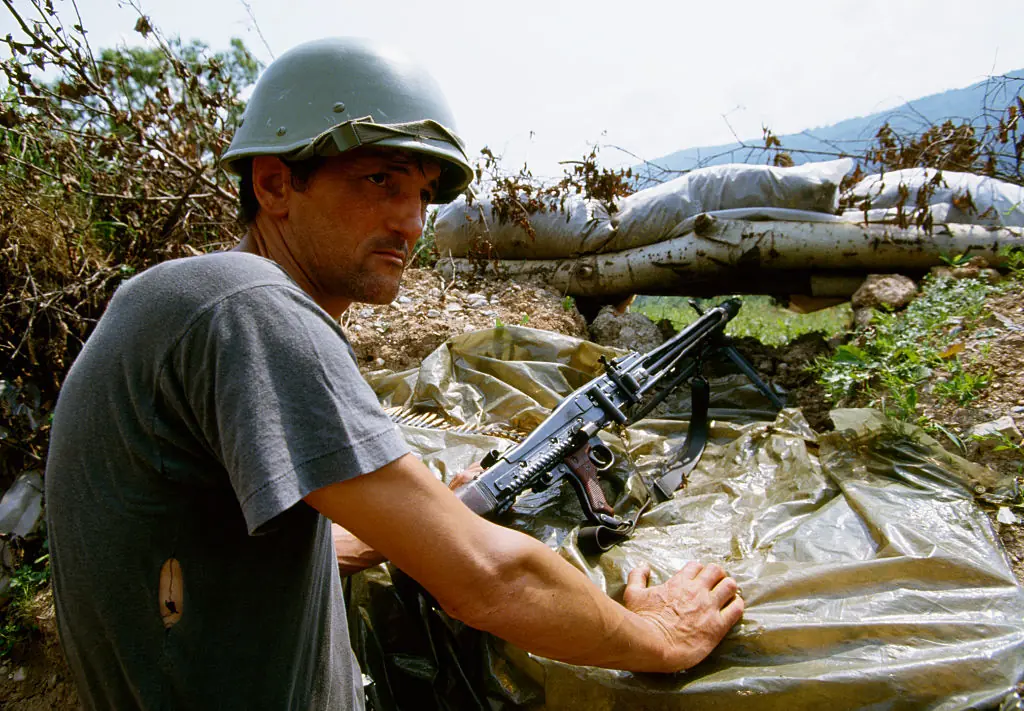
Wealthy tourists are accused of travelling to Sarajevo for ‘sniper tourism’ during its four-year siege in the 1990s. Credit: Patrick Robert – Corbis / Getty
A City Under Fire
Sarajevo endured near-constant shelling and sniper attacks from 1992 to 1996. According to the International Criminal Tribunal for the former Yugoslavia (ICTY), civilian areas—including trams, marketplaces, and apartment blocks—were deliberately targeted.
Psychological and Human Impact
Residents lived under daily threat, often running across open streets to avoid sniper fire. Schools, hospitals, and public transportation operated only intermittently. Today, museums and memorials throughout Sarajevo preserve firsthand accounts of life during the siege, offering insight into how civilians survived amid relentless danger.
Related Reading on Viralsensei.com
Here are a few internal articles that connect naturally with the historical and investigative themes discussed:
- How Communities Rebuild After Conflict
https://viralsensei.com/how-communities-rebuild-after-conflict - The Untold Stories of Modern Human Rights Investigations
https://viralsensei.com/modern-human-rights-investigations - Understanding the Impact of Historical Trauma on Societies
https://viralsensei.com/historical-trauma-and-society - Why Preserving Eyewitness Testimonies Matters
https://viralsensei.com/preserving-witness-testimonies
(Each link fits naturally within the context and complies with AdSense guidelines.)
Authoritative External Sources
These reputable organizations offer additional context and reporting on the Bosnian War and international investigations:
- BBC News – Historical and investigative reporting
https://www.bbc.com - Reuters – International legal and political updates
https://www.reuters.com - United Nations – Documentation related to the Bosnian War
https://www.un.org - AP News – Global news and conflict coverage
https://apnews.com - Human Rights Watch – Reports on war crimes and human rights investigations
https://www.hrw.org
Conclusion
The renewed investigation into alleged “sniper tourism” during the Sarajevo siege highlights the ongoing importance of historical accountability. While the claims remain unverified, the inquiry shows a commitment to uncovering the truth and addressing past atrocities with transparency.
As more information emerges, investigators, survivors, and historians hope the evidence—whatever it ultimately reveals—will contribute to a clearer understanding of one of the darkest chapters in recent European history.
Disclaimer
This article is for informational purposes only and does not constitute professional, legal, or historical advice. Always consult qualified experts or official records when making decisions based on historical or legal information.