 by
by Hair loss affects millions worldwide and can impact confidence at any age. While options like transplants and medications exist, they often come with cost, risks, and side effects. Now, scientists may have found a simpler and safer alternative — a topical serum made from naturally derived fatty acids.
Researchers at National Taiwan University have developed a serum that, when applied to the skin, successfully stimulated hair follicle regeneration in mice. The findings were published in the respected journal Cell Metabolism, marking an exciting step toward a potential non-surgical treatment for hair loss.
How the Serum Works
According to the study, the serum works by activating fat cells (adipocytes) beneath the skin, which in turn encourage hair follicle stem cells to regenerate. This process helps dormant hair follicles return to an active growth phase.
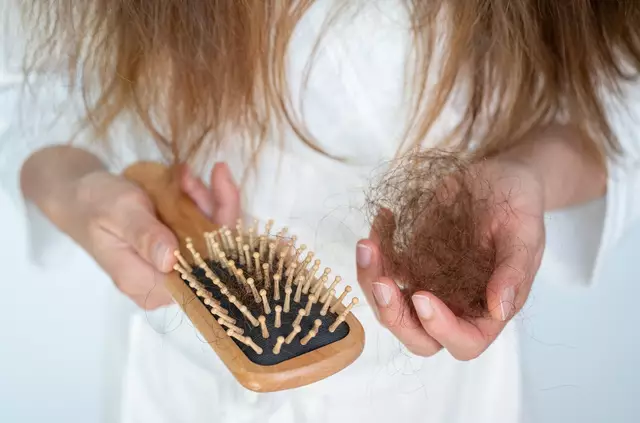
Hair loss affects a huge percentage of the population (Getty)
- The serum is made from monounsaturated fatty acids — ingredients naturally found in the body and known for their skin-friendly properties.
- Because it’s derived from natural compounds, researchers report minimal irritation or side effects when applied to skin.
- The formula could eventually be sold as an over-the-counter skincare product, according to the research team.
Professor Sung–Jan Lin, one of the study’s authors, even tested the serum on himself. He shared with New Scientist that after applying the formula on his thighs for three weeks, he noticed visible hair regrowth — although more research is needed to confirm these results in humans.
The Science Behind Hair Regeneration
Interestingly, the idea for the serum came from an observation that skin irritation and healing can sometimes promote unexpected hair growth — a condition known as hypertrichosis.
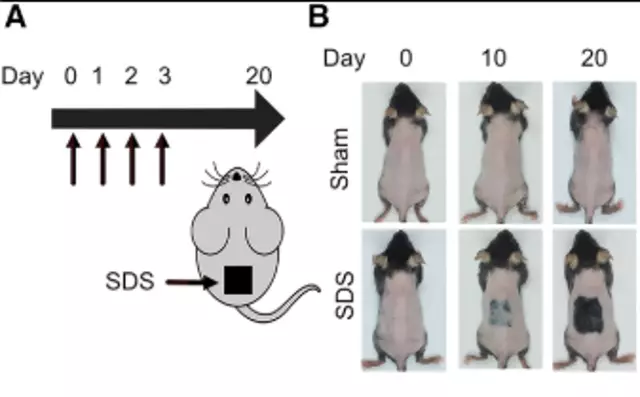
The research shows the hair grew back in the mice (Cell Metabolism)
In controlled experiments, scientists gently irritated patches of mouse skin using sodium dodecyl sulfate (SDS), which triggered the body’s immune cells to move into the fat layer under the skin. These cells then released fatty acids that stimulated hair follicle stem cells, prompting new hair growth within 10 days.
When researchers replicated the process using only the fatty acids (without irritants), they achieved similar hair growth results — but with far fewer side effects.
“These results demonstrate that skin injury not only induces tissue inflammation but also stimulates hair regeneration,” the researchers noted in Cell Metabolism.
What Happens Next
While the results in mice are encouraging, the serum still needs to undergo human clinical trials before it can be made available commercially.
The next step will involve testing safe dosages and application methods on human scalps to determine if the same fatty acid process works effectively in people experiencing androgenetic alopecia (pattern baldness).
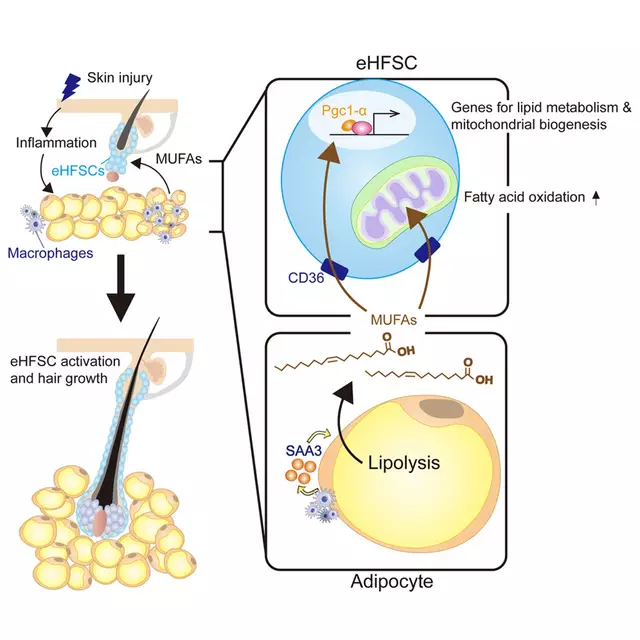
It all boils down to triggering immune cells (Cell Metabolism)
If successful, this could pave the way for a simple skincare-based hair regrowth treatment — no surgery required.
Expert and Public Health Context
According to the National Institutes of Health (NIH), hair transplant procedures, while generally safe, can sometimes cause complications such as itching, infection, or scarring. A non-invasive treatment like this new serum could dramatically reduce those risks.
The World Health Organization (WHO) and Harvard Health also emphasize the importance of scientifically tested treatments in dermatology and cosmetic science, reminding consumers to be cautious about unverified “miracle cures.” This serum, however, is grounded in peer-reviewed research and biological mechanisms already understood by experts.
Why This Matters
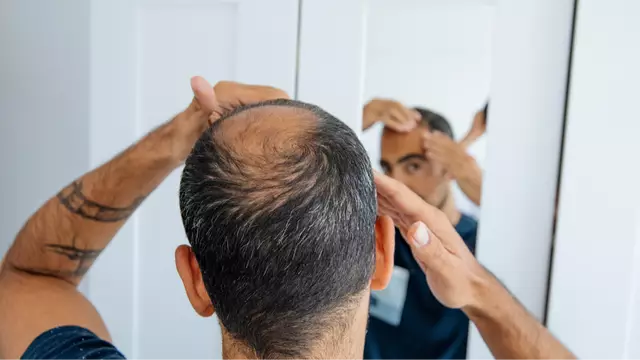
Hair loss affects over 80 million Americans, with two-thirds of men showing visible thinning by age 35 and nearly 85% by age 50, according to data cited by the American Hair Loss Association. Women are also affected, though often in more diffuse patterns.
If proven safe and effective, this discovery could offer an accessible, affordable, and skin-friendly solution for millions seeking to restore their confidence naturally.
Related on Viralsensei.com
- Study Finds New Way to Reverse Skin Aging Naturally
- Scientists Discover Protein That Helps Repair Damaged Hair
- Breakthrough in Skincare Could Heal Wounds Faster
- Why Healthy Fats Are Essential for Skin and Hair Health
- The Role of Stem Cells in Regenerative Medicine
Verified Sources
- NIH – Hair Transplant Safety and Complications
- WHO – Cosmetic and Dermatological Research Standards
- Harvard Health – Understanding Hair Loss
- BBC – Advances in Hair Regrowth Research
- Reuters – Scientific Breakthroughs in Skin Health
Final Thoughts
While it’s too early to call this serum a “cure,” early evidence suggests a scientifically sound pathway to natural hair regrowth. The approach — using naturally occurring fatty acids to trigger follicle regeneration — could redefine how we think about hair loss solutions in the years ahead.
As research progresses to human testing, experts remain cautiously optimistic that a safe, topical product could eventually reach the market — potentially transforming the landscape of hair restoration forever.
Disclaimer:
This article is for informational purposes only and does not constitute medical or professional advice. Always consult a qualified healthcare provider before starting or changing any hair loss treatment.