 by
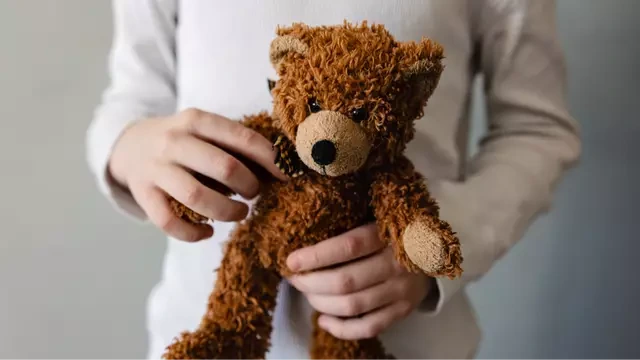
by As Christmas gifts are unwrapped across the US, teddy bears remain one of the most popular presents for children.
Soft, familiar, and comforting, these plush toys have been part of family traditions for generations. But as new research begins making its way into trending news, scientists are starting to ask whether these beloved toys quietly shape how children understand the natural world.
According to researchers in France, the answer may be more complicated than it seems.
A Child’s First “Wild Animal” Often Isn’t Wild at All
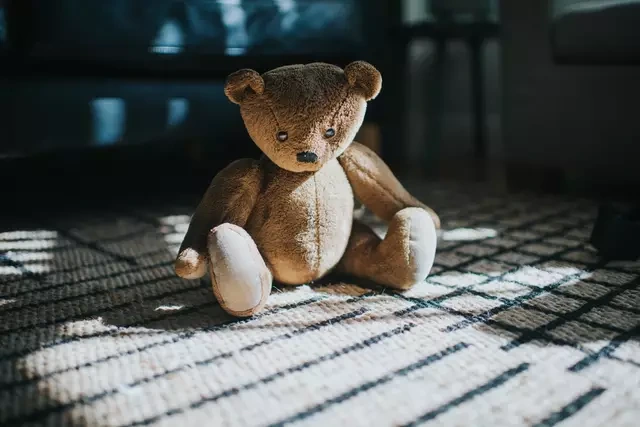
For many children, their earliest encounter with an animal doesn’t happen outdoors. Instead, it happens at bedtime, through the toys they cuddle and grow attached to. Researchers say teddy bears are designed using exaggerated “cute” features—oversized heads, round bodies, soft textures, and expressive eyes.
While these traits make toys appealing, experts argue they also turn real animals into something closer to a cartoon. Similar conversations about how everyday objects influence perception and behavior are commonly explored in lifestyle and human-interest stories, where small childhood experiences are shown to leave lasting impressions.

What the Research Found
The study surveyed more than 11,000 participants, with 43 percent saying their favorite childhood toy was a teddy bear. Scientists say this highlights just how influential these toys can be during early development.
Dr. Nicolas Mouquet, an ecologist at France’s National Centre for Scientific Research, explained that teddy bears resemble humans more than real bears. Their soft fur, uniform colors, and gentle shapes don’t reflect wildlife as it truly exists. Research like this aligns with findings regularly discussed in science-focused coverage, where experts examine how early exposure shapes long-term attitudes.
According to the French National Centre for Scientific Research (CNRS), emotional connections formed in childhood can influence how people value biodiversity later in life.
Real Bears Are Very Different From Plush Toys
In reality, bears are powerful wild animals that usually avoid humans but can become dangerous if they feel threatened. Fatal encounters in the US are rare, yet they highlight how far removed toy versions are from real wildlife.
The concern, researchers say, isn’t about fear—it’s about understanding. When animals are consistently presented in simplified or softened ways, it may affect how children perceive nature as they grow older. Broader discussions about symbolism and imagery are often part of culture and society coverage, where experts analyze how visuals shape public understanding.
The BBC has previously explored how simplified animal imagery can influence public attitudes toward wildlife and conservation.
This Isn’t a Call to Get Rid of Teddy Bears
Importantly, scientists are not suggesting that teddy bears should disappear from children’s lives. Dr. Mouquet describes them as valuable emotional companions that provide comfort and security during early childhood.
Instead, researchers suggest using toys more thoughtfully—by pairing them with books, nature programs, or outdoor experiences that introduce animals as they really are. Research-driven discussions like this often gain attention through viral stories, where everyday objects unexpectedly spark global debate.
According to Reuters, conservation experts have long noted that emotional connection plays a major role in determining which animals receive protection and public support.
A Bigger Question About Which Animals We Protect
Dr. Mouquet says his interest in teddy bears connects to a broader issue: why some animals receive attention and protection while others are ignored. Species considered “cute” often inspire empathy and funding, while less visually appealing animals are overlooked.
National Geographic has examined this bias extensively, explaining how emotional appeal strongly influences conservation priorities around the world. Teddy bears, researchers argue, offer a surprisingly simple way to see how these preferences may begin forming early in life.
The Bottom Line
Teddy bears aren’t harmful—and they’re certainly not going anywhere. But scientists believe they play a subtle role in shaping how children view animals and nature. By balancing comforting toys with real-world learning and exposure, parents and educators may help children develop a deeper, more accurate appreciation for wildlife.
Disclaimer: This article is for informational purposes only and does not constitute professional advice. Always consult a qualified expert before making decisions based on this information.
Featured Image Credit: Getty Images/mrs