 by
by Dermatologists warn that one common type of facial spot should never be popped due to scarring and infection risks. Here’s what experts say to do instead.
Popping a pimple can feel like an instant fix, but skin experts say that urge can sometimes cause more harm than good. According to dermatologists, there’s one specific type of facial spot you should always leave alone because interfering with it can lead to long-term skin damage. Understanding why can help you protect your skin and avoid preventable scarring—an issue often discussed in everyday lifestyle and science conversations around skincare.
The Spot You Should Never Pop: Cystic Acne
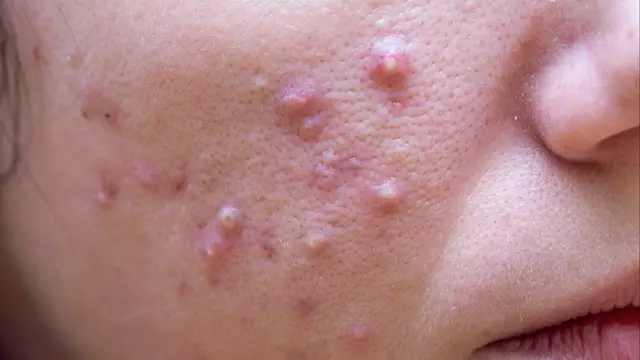
Dermatologists consistently warn against popping cystic acne, a deep and painful form of inflammatory acne that develops beneath the skin’s surface.
Dr Samantha Ellis, a board-certified medical and cosmetic dermatologist, explains that these spots are far deeper than they appear.
Unlike surface-level pimples, cystic acne behaves more like an iceberg—what you see on the surface is only a small portion of what’s happening underneath. Because of this depth, squeezing rarely removes the blockage and often pushes inflammation further into the skin.
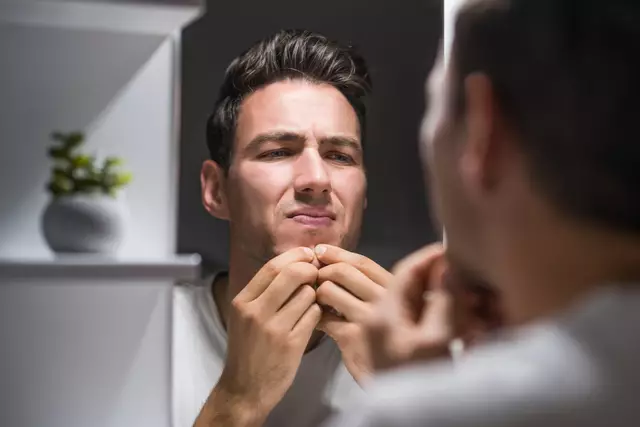
Why Cystic Pimples Are Different From Other Spots
Most whiteheads or blackheads form close to the surface and may clear on their own with gentle care. Cystic acne, however, forms when pores become blocked with oil, dead skin cells, and bacteria deep within the skin.
According to information shared by Aurora Health Care, this process can create large, tender cysts that last for weeks or even months.
Experts note that cystic acne commonly appears on the face but can also affect the back, chest, and shoulders. These spots are often painful, swollen, and slow to heal—traits that make them especially tempting to pop, despite the risks.
The Real Risks of Popping Deep Acne
Dermatologists caution that squeezing cystic acne can lead to several complications:
- Increased inflammation: Pressure can force bacteria deeper into the skin
- Permanent scarring: Deep tissue damage raises the likelihood of long-term marks
- Delayed healing: Trauma can prolong redness and swelling
Dr Ellis emphasizes that even when a cyst feels “ready,” popping it rarely produces the relief people expect. Instead, it often worsens irritation and increases the chance of visible scars—an outcome frequently discussed in news stories about skincare regrets.
What Causes Cystic Acne in the First Place?
Experts believe hormones play a major role. Fluctuations during puberty, menstruation, pregnancy, or menopause can increase oil production, creating ideal conditions for deep acne. Genetics, certain medications, and heavy or oily skincare products may also contribute.
Research summarized by the American Academy of Dermatology shows that while teenagers often experience cystic acne, adults—especially women—can struggle with it well beyond adolescence. This ongoing challenge has become part of broader culture discussions about adult skincare and self-care expectations.
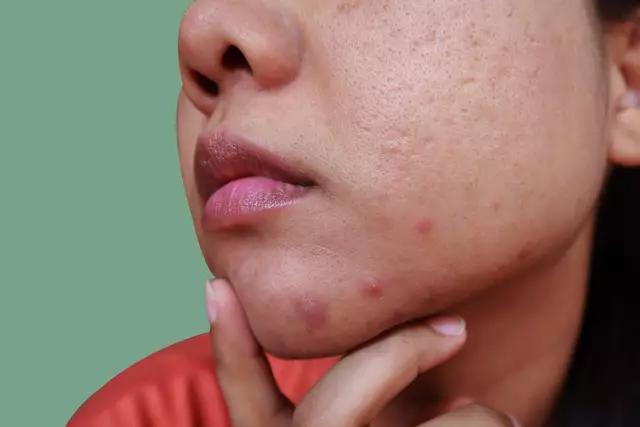
What Experts Recommend Instead of Popping
While hands-off is the golden rule, dermatologists do suggest safer ways to calm cystic acne:
- Warm compresses: Applying a warm, damp cloth may reduce discomfort
- Targeted topical treatments: Ingredients like benzoyl peroxide or adapalene may help surface inflammation
- Professional care: Dermatologists can offer prescription treatments or in-office options
The American Academy of Dermatology advises patience and professional guidance rather than at-home extraction. Medical experts quoted by outlets like the BBC and Reuters also stress that improper popping can permanently alter skin texture.
When to See a Dermatologist
If cystic acne is frequent, painful, or affecting your confidence, experts suggest consulting a qualified dermatologist. According to guidance echoed by the National Institutes of Health, early treatment may reduce scarring and help manage flare-ups more effectively.
This approach aligns with advice often highlighted in science-based reporting from organizations such as the World Health Organization, which emphasizes evidence-based care over risky self-treatment.
Cystic acne may look tempting to pop, but dermatologists agree it’s one battle your skin is better off avoiding. Because these spots form deep beneath the surface, squeezing them can increase inflammation, prolong healing, and cause lasting scars. With gentle care, patience, and professional advice, most people can manage breakouts without putting their skin at risk.
Disclaimer: This article is for informational purposes only and does not constitute professional advice. Always consult a qualified expert before making decisions based on this information.
Featured Image Credit: Getty Stock Image