 by
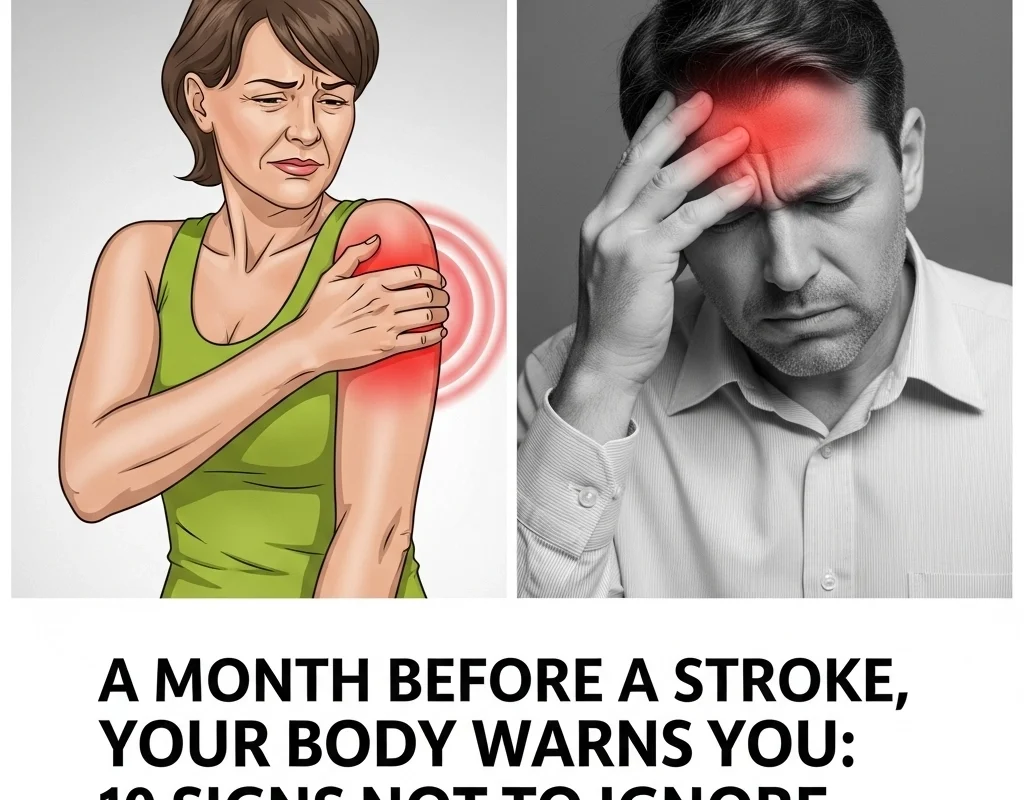
by Every year, millions of people worldwide suffer from strokes — a sudden interruption of blood flow to the brain that can cause permanent damage or even death. But what most people don’t realize is that your body often warns you weeks or even a month before a stroke happens. Recognizing these signs early can be the difference between life and death.
Health experts from reputable sources like the Centers for Disease Control and Prevention (CDC) and the Mayo Clinic emphasize that early detection is key to preventing major strokes. This article explores 10 subtle but serious warning signs you should never ignore — and what to do if you experience them.
1. Sudden Numbness or Weakness (Especially on One Side)
One of the most common early warning signs of a stroke is sudden weakness, numbness, or tingling, often affecting one side of the body — particularly the face, arm, or leg.
If you notice that one side of your mouth droops when you smile, or one arm feels heavier than the other, it’s a sign that something may be wrong with blood flow in the brain.
Even if the weakness disappears after a few minutes, this could be a Transient Ischemic Attack (TIA), also known as a “mini-stroke.” According to Harvard Health, a TIA is a serious warning that a major stroke could follow soon if untreated.
2. Sudden Vision Changes or Blurred Vision
Your eyesight is one of the first things affected when the brain’s oxygen supply is reduced. Some people report seeing blurred or double vision, or even temporary vision loss in one eye.
If your vision suddenly becomes distorted or you see flashing lights, it’s time to take it seriously. Eye problems can occur days or weeks before a stroke. Visit an ophthalmologist or seek medical help immediately if these symptoms appear.
For related eye and health wellness tips, check out our guide on protecting your vision naturally.
3. Slurred Speech or Difficulty Communicating
Trouble speaking clearly or understanding others can be an alarming red flag. You might feel like your words are jumbled, or that it’s difficult to form sentences even though you know what you want to say.
This happens because a part of the brain that controls language and communication is affected. According to the American Stroke Association, slurred or garbled speech should always be treated as an emergency.
Don’t wait for it to “pass.” Seek immediate help if you or someone around you suddenly has trouble speaking.
4. Persistent Headaches Without a Clear Cause
A sudden, severe headache that doesn’t go away with usual medication and is accompanied by dizziness, blurred vision, or nausea can be a major warning sign.
Unlike normal headaches or migraines, stroke-related headaches often come abruptly and intensely. The National Institute of Neurological Disorders and Stroke (NINDS) advises that severe headaches accompanied by other neurological symptoms should never be ignored.
If this happens, call emergency services immediately.
5. Dizziness, Loss of Balance, or Coordination Issues
Feeling unsteady, dizzy, or unable to coordinate your movements can indicate that the cerebellum — the part of your brain that controls balance — isn’t receiving enough oxygen.
If you suddenly find it hard to walk straight, feel like you’re spinning, or drop objects frequently, it could be a precursor to a stroke.
Learn more about maintaining good brain and body coordination through daily exercise on ViralSensei’s healthy living section.
6. Fatigue and Mental Confusion
Feeling unusually tired, mentally foggy, or disoriented for no clear reason can also indicate a lack of oxygen to brain cells.
This kind of fatigue is different from being simply overworked — it feels like your body and brain are both shutting down. Some people describe it as “brain fog” or feeling detached from reality.
If this kind of fatigue persists for days or weeks, consult your doctor. A simple check of your blood pressure and blood sugar could reveal underlying issues that increase stroke risk.
7. Difficulty Swallowing (Dysphagia)
Trouble swallowing food, liquids, or even saliva can occur in the early stages before a stroke. This symptom, known as dysphagia, happens when the part of the brain controlling muscles for swallowing becomes impaired.

Ignoring this sign can lead to serious complications such as choking or aspiration pneumonia. If swallowing becomes painful or you frequently cough while eating, get evaluated immediately.
8. Shortness of Breath or Chest Pain
Although primarily a neurological condition, stroke risk is closely tied to cardiovascular health. Shortness of breath, chest pain, or heart palpitations can all signal problems with blood flow.
Many strokes are linked to atrial fibrillation (AFib) — an irregular heartbeat that increases clot formation. The American Heart Association notes that untreated AFib can raise stroke risk fivefold.
If you have heart disease, high blood pressure, or diabetes, stay alert for these symptoms and discuss preventive care with your doctor.
9. Sudden Mood Swings or Behavioral Changes
Your brain controls not just movement and speech but also mood and emotions. If you or a loved one suddenly experiences unexplained anxiety, depression, or mood swings, it could indicate early changes in brain function.
These emotional shifts often accompany physical signs like fatigue, headaches, or dizziness. A healthcare provider can help determine if these mood changes are due to neurological issues or mental health factors.
For tips on managing stress and emotional well-being, visit ViralSensei’s mental health section.

10. High Blood Pressure and Irregular Pulse
Finally, the most significant warning sign that a stroke may be on the horizon is uncontrolled high blood pressure.
When blood pressure remains elevated for a long time, it damages arteries and increases the risk of clot formation or brain bleeding. Regularly monitoring your blood pressure can literally save your life.
You can use a home blood pressure monitor or get regular checks at a clinic. Also, watch out for irregular heartbeat or chest tightness — these are closely associated with stroke risk.
Learn how to manage blood pressure naturally with balanced nutrition, stress management, and physical activity at ViralSensei Health.
What to Do If You Notice These Signs
If you experience even one or two of these symptoms, don’t wait or self-diagnose. Time is crucial when dealing with stroke risk. Follow the FAST rule used by health professionals:
- F — Face: Ask the person to smile. Does one side droop?
- A — Arms: Ask them to raise both arms. Does one drift downward?
- S — Speech: Is their speech slurred or strange?
- T — Time: If you see any of these signs, call emergency services immediately.
You can learn more about recognizing a stroke early at the CDC Stroke Warning Signs page.
How to Reduce Your Stroke Risk
Preventing a stroke starts with understanding your body and managing your health. Here are some evidence-based ways to lower your risk:
- Monitor your blood pressure regularly.
- Quit smoking and limit alcohol consumption.
- Eat a balanced diet rich in fruits, vegetables, and whole grains.
- Stay physically active.
- Manage chronic conditions like diabetes and cholesterol.
- Get regular checkups, especially if you have a family history of cardiovascular disease.
Explore our full guide on stroke prevention strategies for more expert-backed tips.
Final Thoughts: Early Action Saves Lives
Your body rarely suffers in silence. Those small, odd sensations — dizziness, fatigue, slurred speech — might seem harmless, but they could be your body’s early alarm.
Understanding and recognizing these early symptoms could save your life or that of someone you love. Never ignore your body’s warning signs — they’re often the first line of defense against serious medical emergencies like stroke.
Stay informed, stay proactive, and prioritize your health every day. For more health insights and prevention tips, explore ViralSensei’s Health & Wellness hub.