 by
by Weight loss injections have quickly become one of the most talked-about health trends in recent years. In fact, a new study reveals that around 12% of Americans are now using weight loss jabs like GLP-1 agonists to help shed pounds.
If you’ve been keeping up with the buzz around these injections, you’ll know they were originally designed to help people with type 2 diabetes by stabilizing blood sugar and curbing hunger. But now, they’re also being prescribed for weight management – with mixed results. While some people lose weight fast, others barely see the scale move. So, what’s going on?
The Study That Reveals Who Struggles Most
Researchers in Japan set out to answer this question by studying 92 people with type 2 diabetes who were prescribed GLP-1 injections. They didn’t just look at weight changes – they also tracked eating habits, cholesterol, blood sugar, and body composition over time.

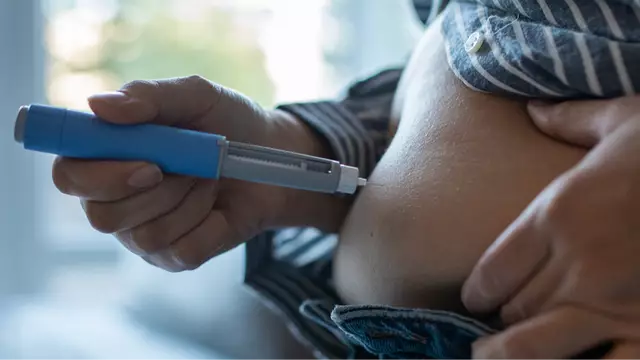
Around 12 percent of Americans have been using weight loss jabs to shed the pounds (Getty Stock Photo)
The team focused on three specific eating behaviors:
- External eating – eating because food looks or smells appealing, not because you’re hungry.
- Emotional eating – reaching for snacks when you’re stressed, sad, or anxious.
- Restrained eating – deliberately cutting back on calories or restricting food.
Emotional Eating vs. External Eating
Here’s where things got interesting. After three months, many participants ate less due to fewer emotional and external triggers. But by 12 months, emotional eating habits had bounced back.
The findings?
👉 People who relied on emotional eating or restrained eating lost less weight compared to those who were more external eaters.
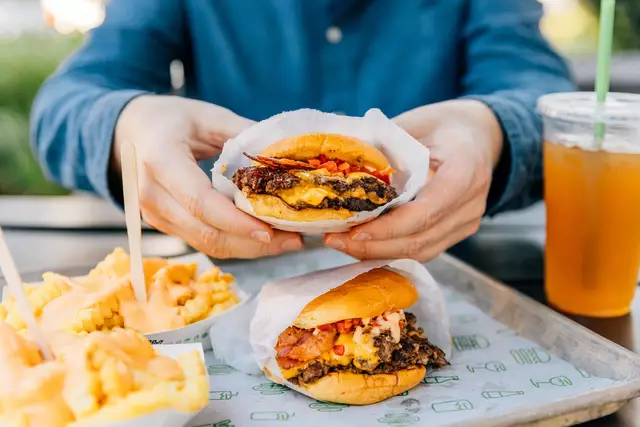
Emotional eating refers to eating based on emotions such as sadness, or stress (Getty Stock Photo)
According to Dr. Takehiro Kato of Gifu University, that’s because emotional eating is more tied to psychological factors that GLP-1 jabs don’t directly address.
In simple terms:
- If your weight gain is mostly because you can’t resist food that looks or smells good, GLP-1 shots might work really well for you.
- But if you’re eating due to stress, sadness, or emotional triggers, the injections may not be as effective without additional behavioral or mental health support.
What This Means for the Future of Weight Loss Treatments
Professor Daisuke Yabe from Kyoto University added that these results are still preliminary, but they could help doctors figure out who benefits most from GLP-1 injections. If confirmed in larger studies, a quick behavioral assessment could one day guide doctors on whether GLP-1s are the right fit for a patient’s weight loss journey.
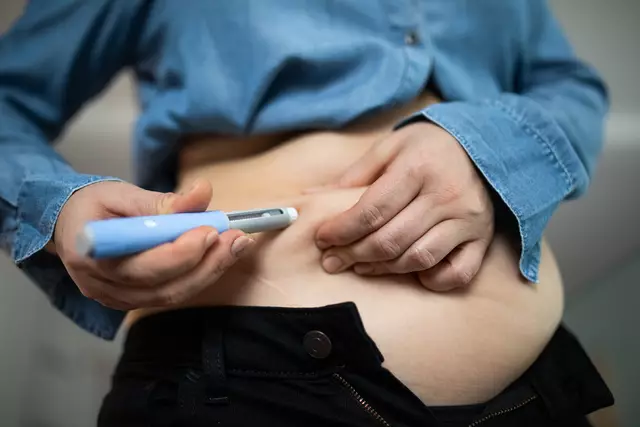
GLP-1 agonists are a type of treatment that mimic the hormone, GLP-1 (Getty Stock Photo)
So, while GLP-1 jabs aren’t a one-size-fits-all solution, this research shows the importance of understanding your personal eating habits before jumping on the weight loss injection trend.
For more background on GLP-1 receptor agonists and their role in treating diabetes, check out the CDC’s resources. You can also read the full study summary here on PubMed for deeper insights.