
 by
by Cannabis is one of the most widely discussed substances in modern culture, especially as laws evolve and more people explore its medical and recreational uses. But amid the debate, one core question remains: Does using cannabis at a young age harm your brain later in life?
A landmark study from Denmark followed more than 5,000 men for 44 years to find out. The results may surprise you—while still reminding us that substance use is a serious topic that deserves careful consideration.
In this article, we break down what the researchers discovered, what it means for long-term brain health, and why context matters when interpreting these findings.
What Did the 44-Year Cannabis Study Find?
Researchers tracked 5,162 Danish men born between 1949 and 1961, monitoring their cannabis use and cognitive performance over decades. According to the National Library of Medicine, the study found no significant harmful effects of cannabis use on age-related cognitive decline.

Is smoking weed bad for your brain? A study in Denmark has spent 44 years trying to find this out (juanma hache/ Getty Stock)
Key Points From the Study
- 39.9% of participants had used cannabis at least once.
- Over half of that group began using before age 18.
- IQ and cognitive performance were measured over 44 years.
- Long-term cognitive decline did not differ significantly between users and non-users.
The researchers noted that while some differences existed, they were “modest” and not considered clinically meaningful.
For more context on how lifestyle factors impact cognitive aging, you can also explore Viralsensei’s article on daily habits linked to healthier aging.
How Does Cannabis Affect the Brain?
Cannabis interacts with the body’s endocannabinoid system, which plays a role in:
- mood
- memory
- sleep
- appetite
According to Harvard Health, cannabis can temporarily affect short-term memory and attention during use, but long-term effects are more complex and still under active research.
This Danish study suggests that, at least for men in this cohort, early cannabis use did not predict greater long-term cognitive decline. Still, that doesn’t mean cannabis is risk-free for the brain.
Areas Where Science Calls for More Research
The study itself highlights several unanswered questions:
- How does cannabis affect women, who were not included in the study?
- Do different potencies or forms (edibles, vaping, concentrates) change outcomes?
- What role do frequency and context of use play?
For broader information on substance-related research, you can also read Viralsensei’s piece on how lifestyle choices influence brain function.
Why These Findings Should Be Interpreted Carefully
While the results are interesting—especially given the length of the study—they don’t automatically mean cannabis is harmless. Leading health organizations such as the CDC note potential risks, including dependence, mental health effects for some individuals, and impaired driving.
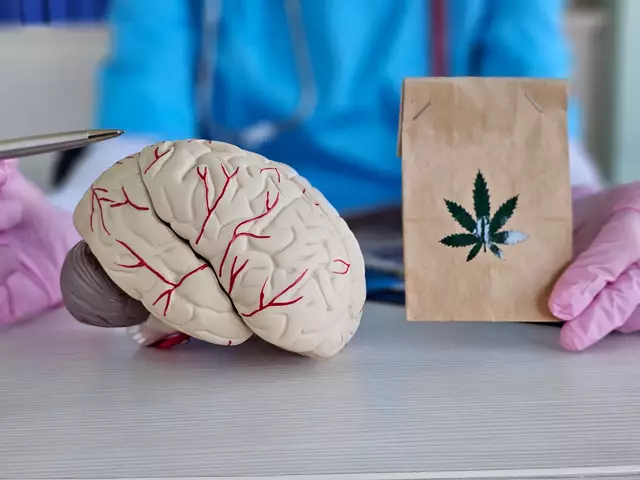
It showed no cognitive decline (Nadzeya Haroshka/ Getty Stock)
Cannabis Is Still a Developing Research Area
According to the National Institutes of Health (NIH), long-term cannabis studies are challenging because:
- laws, potencies, and cultural norms change over time
- self-reported data can vary in accuracy
- cannabis products today often have higher THC levels than in past decades
That means modern cannabis use may not perfectly mirror what was studied from the 1970s onward.
If you’re interested in how substances affect developing minds, see Viralsensei’s coverage of adolescent brain development.
What This Means for Young People Today
The takeaway is not “cannabis is totally safe.” Instead, the study provides reassurance that early use did not appear to accelerate long-term cognitive decline in this specific group of men.
Health experts emphasize making informed decisions supported by credible science. And as cannabis research expands—especially including women and more diverse samples—our understanding will continue to evolve.
For a related topic, you might like Viralsensei’s article on how science separates myths from facts.
If You or Someone You Know Needs Help
The U.S. Substance Abuse and Mental Health Services Administration (SAMHSA) offers confidential support at:
https://www.samhsa.gov/find-help/national-helpline
The American Addiction Centers also provide 24/7 assistance on their official website.
Conclusion
This long-term Danish study sheds valuable light on a question many people have debated for years: does early cannabis use affect brain health later in life? According to the research, there’s no strong evidence of significant long-term cognitive decline among the men studied.
Still, cannabis isn’t risk-free, and experts agree more research is needed—especially for women and modern high-potency products. If you choose to use cannabis, understanding the science can help you make informed decisions.
Disclaimer
This article is for informational purposes only and does not constitute medical, legal, or professional advice. Always consult a qualified healthcare or mental-health professional before making decisions related to substance use or health.