 by
by Vaping has become surprisingly common among young people, and health experts say the risks are real. According to the World Health Organization (WHO), e-cigarette use has grown so quickly among children that in many countries their rates now exceed adult use. World Health Organization+2World Health Organization+2
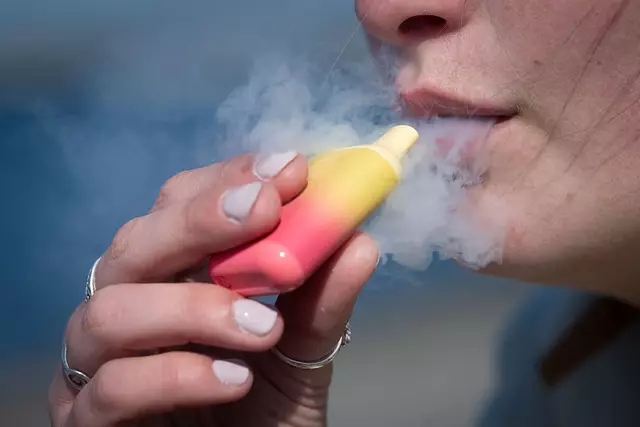
At least 15 million children across the globe vape, says the WHO (Matthew Horwood/Getty Images)
The Centers for Disease Control and Prevention (CDC) adds that no tobacco product — including e-cigarettes (vapes) — is safe for youth, since nicotine can harm developing brains. CDC+1
What’s going on with youth vaping?
Social & environmental factors
- Many teens say they started vaping simply to fit in. One teenager recounts how it “just felt normal to do”.
- Flavoured vape-liquids, sleek devices, and discreet forms make vaping appealing and easy to hide. HealthyChildren.org+1
- Peer pressure, social media, and the perception that “vapes are safer than cigarettes” also play a role. World Health Organization+1
Health risks & evidence
- Vapes typically deliver nicotine, which is highly addictive and may harm attention, mood and learning in adolescents. CDC
- Vaping is not benign: it has been linked to lung-injury cases where users developed symptoms like cough, chest pain, shortness of breath and in some instances, bleeding. Nationwide Children’s Hospital
- Second-hand exposure to vape aerosol can also affect children and non-users. Emory News
The story behind the warning
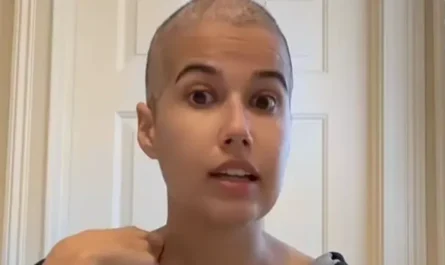
In one case from the UK, a 17-year-old stopped on holiday only to start coughing up blood. Doctors ultimately found severe lung damage that they linked to heavy daily vaping — starting around age 12 and progressing to the equivalent of about 50 cigarettes a day.

Jayden says he started vaping as a way of ‘fitting in’ (Kennedy News and Media)
While individual cases like this don’t define typical outcomes, they highlight the potential severity of the risks when vaping is frequent and sustained.
What parents can do
Here are practical steps to help — without sounding preachy:
- Have an open conversation: Ask your teen what they know, what they’re hearing from friends or online, and share what you’ve learned. (See the advice from Children’s Hospital Colorado.) Children’s Hospital Colorado
- Be a role model: If adults in the household avoid vaping or smoking, it helps set the tone.
- Recognize signs: Look out for new devices, unusual sweet or fruity smells, or changes in behaviour.
- Work with schools: Many schools now have policies and programmes addressing vaping; talk with your teen’s school about what they’re doing. HealthyChildren.org+1
- Focus on support, not shame: If vaping has started, a supportive dialogue, possibly including professional help, is far more helpful than just punishment.
Why prevention matters
Preventing vaping in youth isn’t just about avoiding one bad habit. Because nicotine impacts a young person’s brain, starting early raises the risk of long-term addiction and other substance use. Nationwide Children’s Hospital+1
Also, the idea that “vaping is just harmless vapor” is false — while it may have different risks than smoking, it still carries significant potential harm.
Conclusion
Vaping among young people is a complex issue — part social, part technological, and part health-risk. The good news: knowledge and communication are powerful tools. By understanding why vaping appeals to teens, recognising the real risks, and keeping the conversation open, parents and caregivers can make a difference.
Disclaimer: This article is for informational purposes only and does not constitute medical or professional advice. If you are concerned about vaping or lung health, please consult a qualified health-care provider.